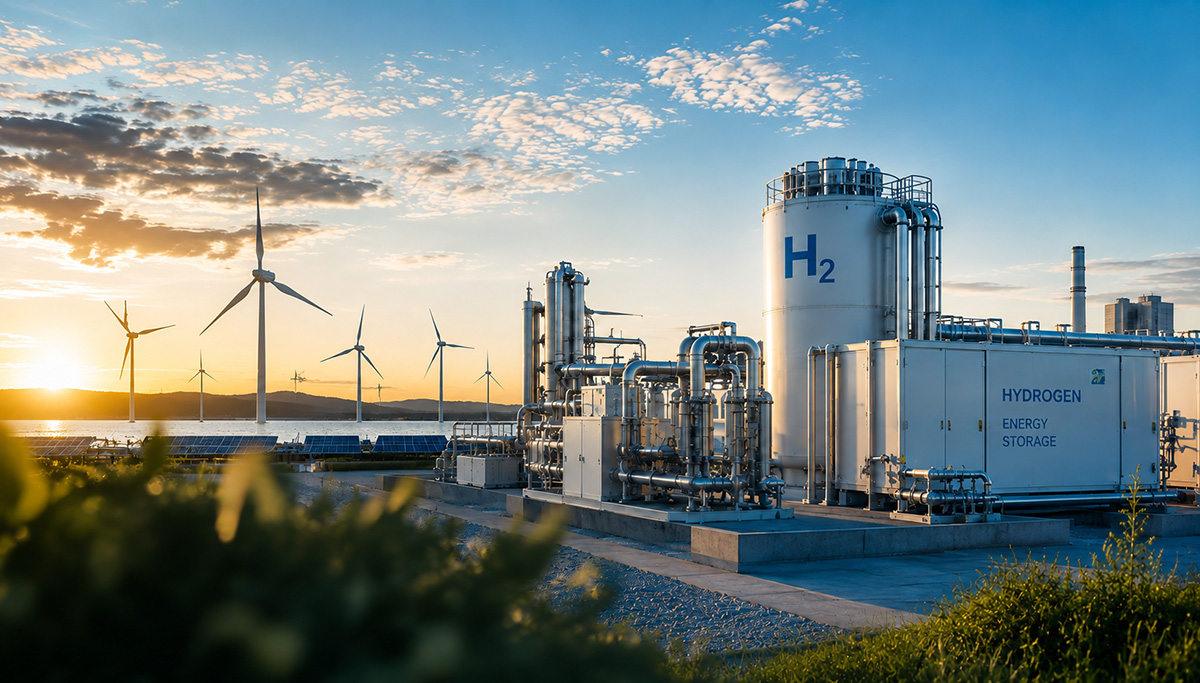

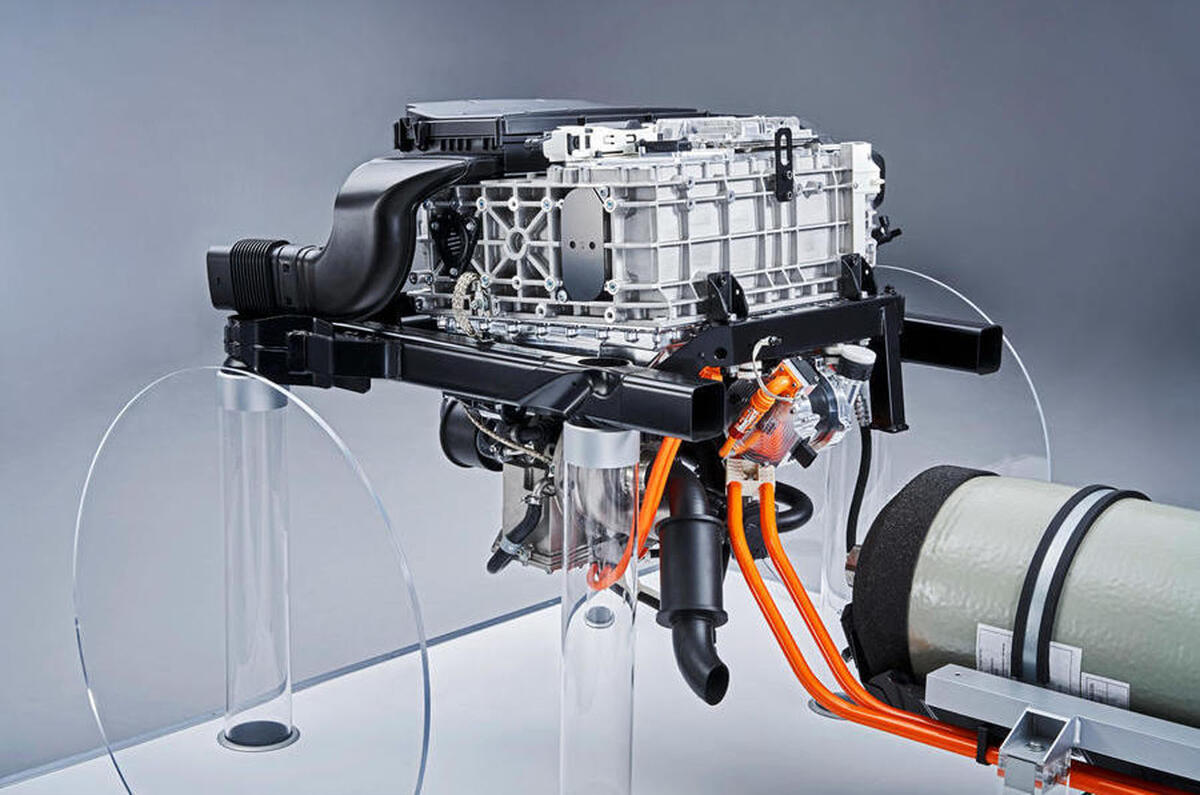


UK technology group Johnson Matthey has said its hydrogen business is expected to become cash-flow positive during the current financial year, marking a potential turning point after a prolonged slowdown in the global hydrogen sector.
The London-listed chemicals and sustainable technologies company said its Hydrogen Technologies division achieved “run-rate breakeven” in the final quarter of the year ending 31 March 2026, and remains on track to generate positive cash flow in the 2026/27 financial year. The update forms part of a broader restructuring effort aimed at simplifying the business and improving returns to shareholders.
Johnson Matthey’s hydrogen arm develops components used in fuel cells and electrolysers, technologies widely viewed as central to the long-term transition towards low-carbon energy systems. However, weaker-than-expected growth in the global hydrogen market has forced the company to scale back investment and reduce costs over the past two years.
The division has faced mounting pressure as governments and industrial customers delayed large-scale hydrogen projects amid higher interest rates, rising costs and uncertain demand. In response, Johnson Matthey reduced capital expenditure, cut jobs and shifted the business towards a more disciplined cash-generation strategy.
The company’s latest comments suggest those measures are beginning to stabilise the operation, even as wider market conditions remain difficult.
The hydrogen update comes during a period of significant change for the 208-year-old British company. Last year, Johnson Matthey agreed to sell its Catalyst Technologies business to US industrial giant Honeywell in a deal initially valued at £1.8 billion.
The disposal was designed to streamline the group around its Clean Air and platinum group metals businesses while boosting shareholder returns. Johnson Matthey had previously pledged to return around £1.4 billion from the transaction proceeds to investors.
However, the deal later had to be renegotiated after weaker trading conditions hit the profitability of the Catalyst Technologies division. Earlier this year, Honeywell and Johnson Matthey agreed revised terms that reduced the sale price by roughly 26 per cent to £1.325 billion and extended the completion timetable.
Johnson Matthey said the lower valuation reflected deferred sustainable fuels projects and weaker demand across parts of the clean energy market. Analysts viewed the revision as further evidence of the challenges currently facing hydrogen and other low-carbon industrial technologies.
Despite the setbacks, chief executive Liam Condon has continued to position hydrogen as a long-term growth opportunity. The company believes demand for fuel cells, electrolysers and sustainable fuels technologies will strengthen over the coming decade as industries seek to reduce emissions and governments tighten climate targets.
Investors will now be watching closely to see whether Johnson Matthey’s hydrogen business can deliver sustained profitability after several years of heavy investment and market uncertainty.
EVENT ALERT: