Stadtwerke München has emerged as one of Germany’s most structurally significant municipal energy and infrastructure companies, not through a single technology bet, but through the deliberate construction of a diversified, system-wide renewable portfolio. With approximately 12,000 employees and annual revenue of €6.3 billion, SWM operates as a municipal subsidiary of the City of Munich, responsible not only for energy supply but also for a deeply integrated urban infrastructure system spanning electricity, natural gas, district heating, district cooling, and public mobility services, including underground, bus, and tram networks alongside newer mobility offerings.
This dual mandate—energy system operator and urban mobility provider—shapes SWM’s investment logic in a way that distinguishes it from many purely generation-focused utilities. Its renewable strategy is not designed as an export-oriented power generation business, but as a structural hedge for Munich’s long-term energy security, electrification pathway, and urban decarbonisation objectives.
A Portfolio Strategy Rather Than a Single Technology Shift
SWM’s renewable expansion cannot be accurately understood through the lens of offshore wind participation alone. Instead, it reflects a layered portfolio strategy built across multiple generation technologies, each serving a specific system function.
Hydropower remains a foundational pillar, particularly across Bavaria and neighbouring Alpine regions. These assets provide dispatchable renewable baseload capacity, offering system stability that complements more variable wind and solar generation.
Onshore wind represents the primary volume-expansion technology within SWM’s renewable portfolio. Through a mix of direct investments, partnerships, and operational asset acquisitions, SWM has built exposure across multiple German and European wind markets. This segment continues to serve as the backbone of renewable electricity supply within the portfolio.
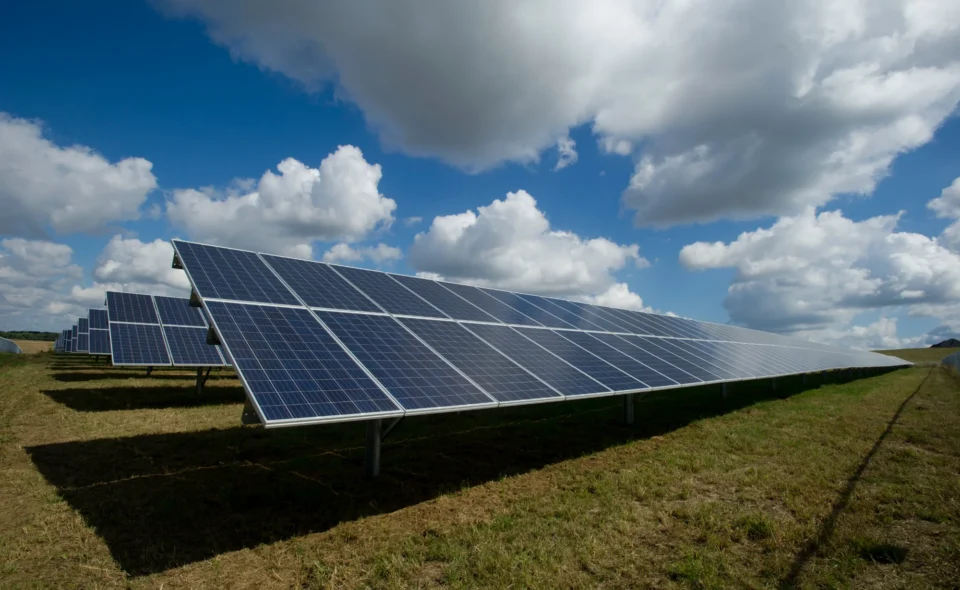
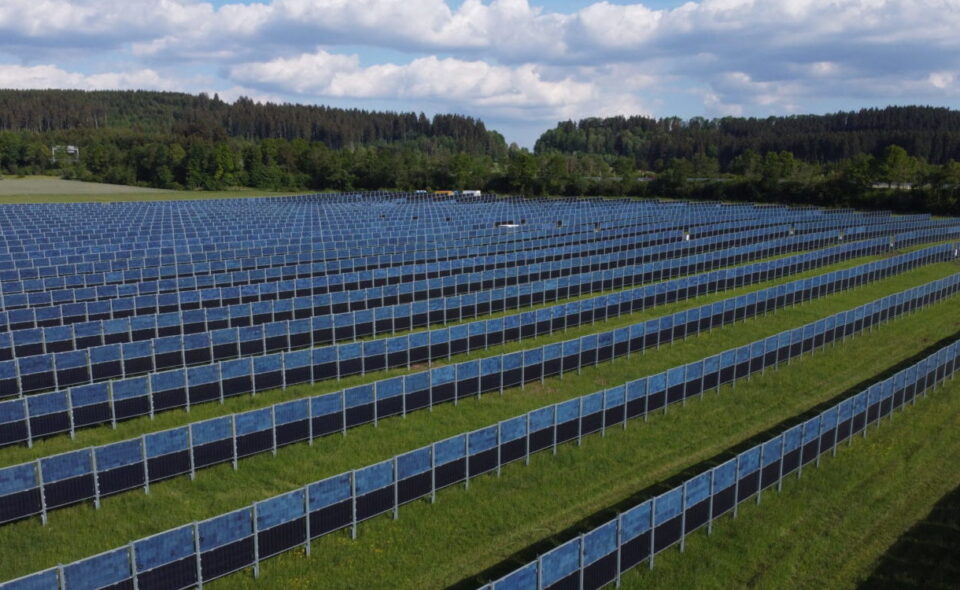
Solar photovoltaics has become increasingly important as a geographically diversified generation source. Utility-scale solar assets in Germany and higher-irradiation European regions help balance wind variability and introduce a different generation profile that is particularly valuable during summer demand peaks and transitional shoulder periods.
Alongside these core technologies, SWM also maintains selective exposure to biomass and renewable-integrated district heating systems. These assets play a critical role in Munich’s urban energy transition, where decarbonisation is not limited to electricity but extends into heat networks and building-level energy systems.
Together, these technologies form a deliberately constructed system portfolio rather than a set of isolated investments.
Offshore Wind as a Strategic, Not Dominant, Layer
Within this broader structure, offshore wind represents a strategic extension rather than a defining shift. SWM’s participation in offshore projects, including the Gennaker offshore wind development, should be understood as an incremental expansion into a capital-intensive but high-yield renewable segment that complements its existing generation mix.
Dr. Florian Bieberbach, Chief Executive Officer of Stadtwerke München, described the strategic intent behind this participation:
“With Gennaker, we are strengthening our commitment to renewable energy and expanding our offshore wind portfolio in an important strategic market. This project represents another important milestone in achieving our ambitious goals and underscores our clear path towards a renewable energy future, meeting growing energy demand driven by increasing electrification in mobility and heating. We are pleased to partner with Skyborn Renewables on this project and look forward to supporting the next phase toward construction.”
The statement reflects a broader structural reality: offshore wind is not treated as a standalone growth engine, but as one component in a wider decarbonisation and electrification strategy that spans both energy supply and urban demand transformation.
Municipal Utility Logic in a Capital-Intensive Energy System
SWM’s investment behaviour is shaped by its institutional identity. As a municipal utility, it is structurally anchored to the City of Munich’s demand base, which imposes constraints that differ significantly from those of national or multinational energy corporations. Its investment horizon is therefore oriented toward supply security, price stability, and long-term system resilience rather than purely merchant-driven returns.
This is particularly relevant in offshore wind, where project scale, auction competition, and consortium-based development models increasingly favour large international utilities and infrastructure funds. SWM’s participation in this space is typically structured through partnerships, allowing it to access large-scale generation assets without absorbing full development risk.
At the same time, this approach preserves alignment with its broader portfolio strategy: balancing firm, dispatchable generation (hydro and biomass), variable but scalable assets (onshore wind and solar), and high-capital, high-output infrastructure (offshore wind).
System Integration and Electrification Pressure
The rationale behind SWM’s diversified renewable portfolio is increasingly driven by system-level transformation rather than simple generation substitution. Electrification of mobility, heating, and urban services is placing structural upward pressure on electricity demand in Munich, while simultaneously requiring deep decarbonisation of heat and transport systems.
This creates a dual challenge: expanding renewable generation while ensuring grid stability, sector coupling, and flexible balancing capacity. Hydropower, district heating systems, and diversified wind-solar portfolios collectively serve this system integration function.
Offshore wind contributes to this equation primarily through scale and capacity factor advantages, but it does not dominate the structural design of SWM’s energy system.
Conclusion: A Municipal Utility as System Architect
SWM’s renewable strategy is best understood not as a sequence of technology bets, but as the construction of a multi-layered energy system aligned with urban transformation.
Offshore wind, including the Gennaker project, represents an important but proportionate extension of this strategy. It complements rather than redefines SWM’s portfolio logic, which remains anchored in diversification, system stability, and municipal supply security.
In this sense, SWM exemplifies a broader evolution in European municipal utilities: from local energy providers into integrated system architects managing the intersection of electricity generation, urban infrastructure, and electrified mobility demand.
Author: Derek Michalski, Editor