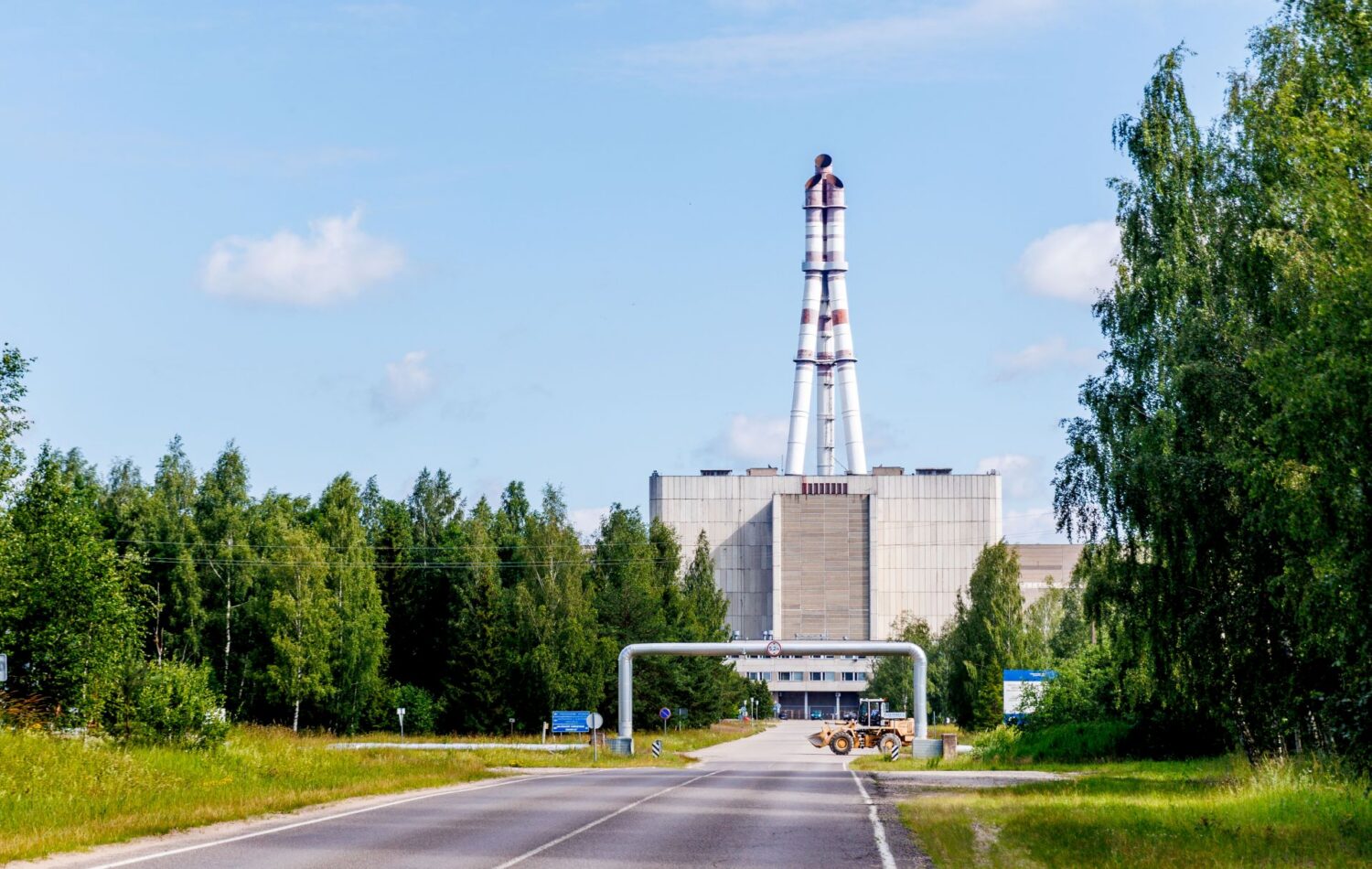
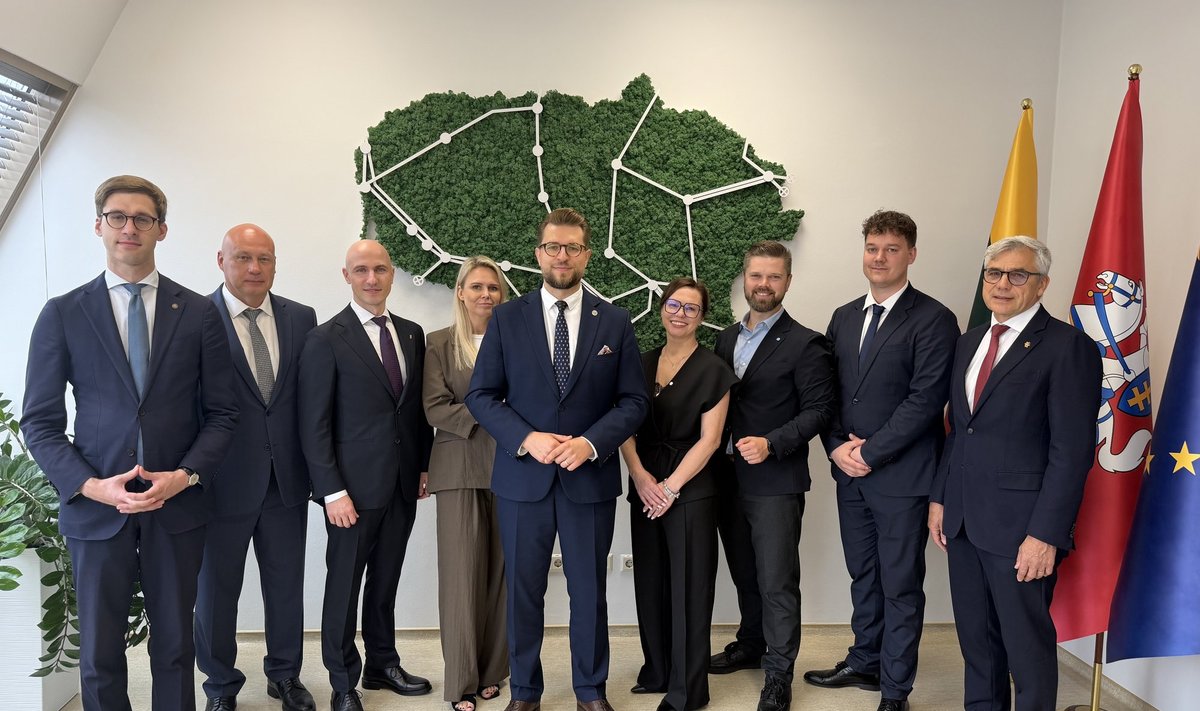
Twice in the same week in Vienna, the same Lithuanian official had to switch registers entirely. At the IAEA’s 70th General Conference, deputy energy minister Gabrielius Gorbačevskis stood up to describe robots crawling through…
Author: Derek Michalski, Chief Editor. Europe is committing billions to new reactors as data centres, electrification and AI drive electricity demand higher. But most of the new nuclear…
Author: Derek Michalski, Editor. Poland has become one of Europe’s most important energy investment markets. Driven by rapid economic growth, rising electricity demand and one of the continent’s…
Author: Derek Michalski, Editor. “The world is moving quickly into the age of electricity.” With this observation, Fatih Birol, Executive Director of the International Energy Agency, captured one…
Lithuania has entered a new chapter in its energy transition with the appointment of Lukas Savickas as Minister of Energy following the July 2026 government reshuffle. His arrival comes…
Author: Derek Michalski, Editor. The Voice of Renewables editorial team has prepared a new ten-part feature series exploring how renewable energy asset management is evolving from a traditional…
NextEra Energy, Inc. and Dominion Energy, Inc. today announced that they have entered into a definitive agreement to combine in an all-stock transaction. Dominion Energy shareholders will…
The UK government has announced a major initiative to boost the clean energy workforce, aiming to create 400,000 new jobs by 2030. The move is part of…
Polish Government, the Sejm, has adopted new legislation for the renewable energy sector by an overwhelming majority. The new law primarily concerns offshore wind energy but also…
Asian Development Bank (ADB) President Masato Kanda urged joint action to bring together science, policy, and finance to deliver clean energy in Asia and the Pacific. Speaking…
A Bold Path to Independence Lithuania’s energy transformation has been nothing short of remarkable. Once heavily reliant on Russian energy imports, the small Baltic nation has reinvented…
Lithuania is re-examining its nuclear future via the deployment of small modular reactors (SMRs) and advanced fast reactor technologies, in a move driven by increasing energy demand,…
Greece has entered 2025 with a renewable energy sector that is simultaneously thriving and troubled. Installed capacity has climbed to record levels, with solar photovoltaics and wind…
Strategic Context Energy operators face increasing pressure to balance reliability, regulatory compliance, sustainability, and cost control. Ageing infrastructure, rising demand, and the growth of intermittent resources such…