


Author: Davide Barbieri, PhD
As renewable energy becomes the backbone of global decarbonisation, the sector faces a rapidly growing but often underestimated risk: cyberthreats. Solar farms, wind turbines, and energy storage systems are now deeply digitalized and connected, and this connectivity, while enabling efficiency and smart management, also exposes critical vulnerabilities.
Digital Risk
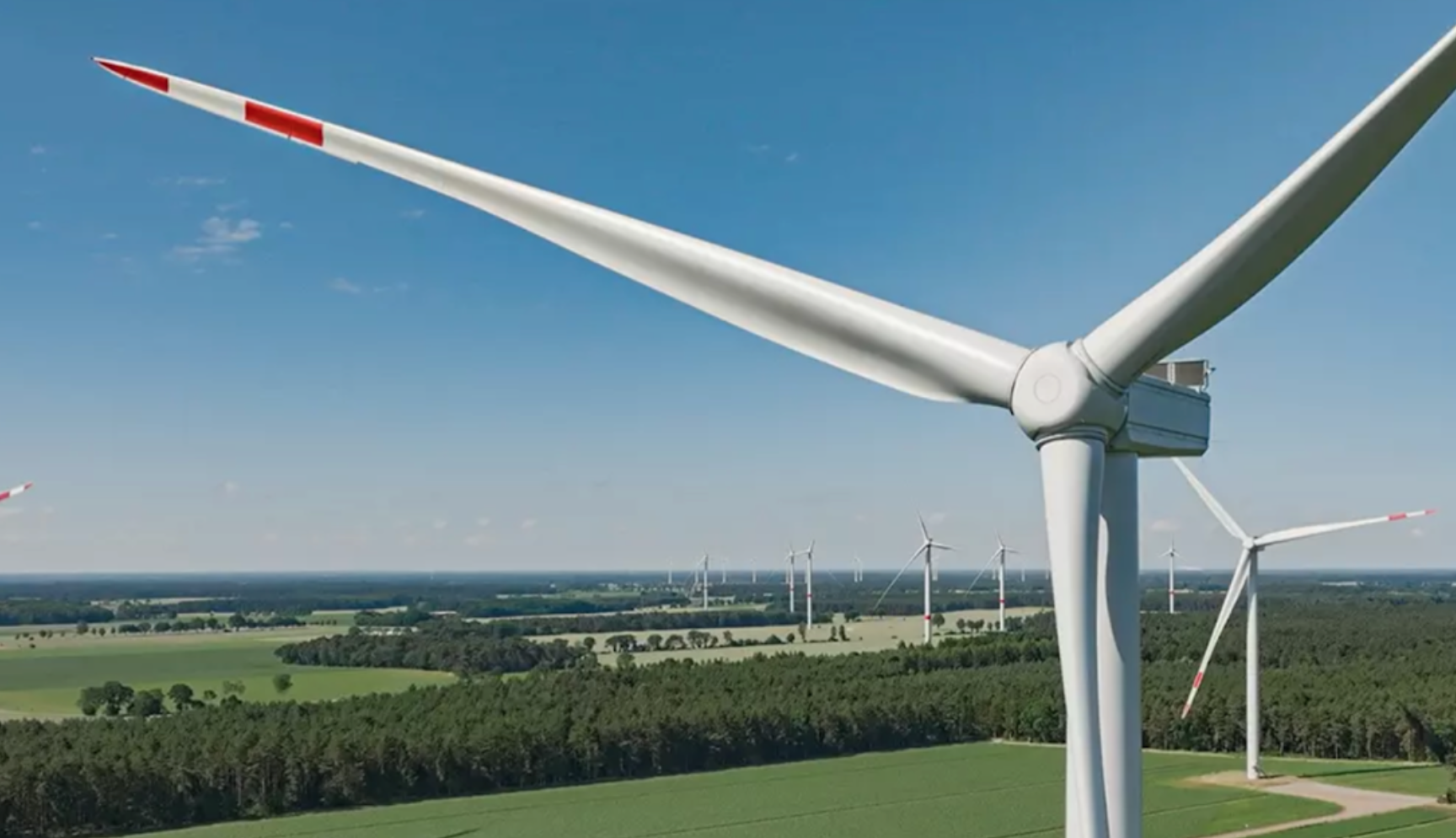
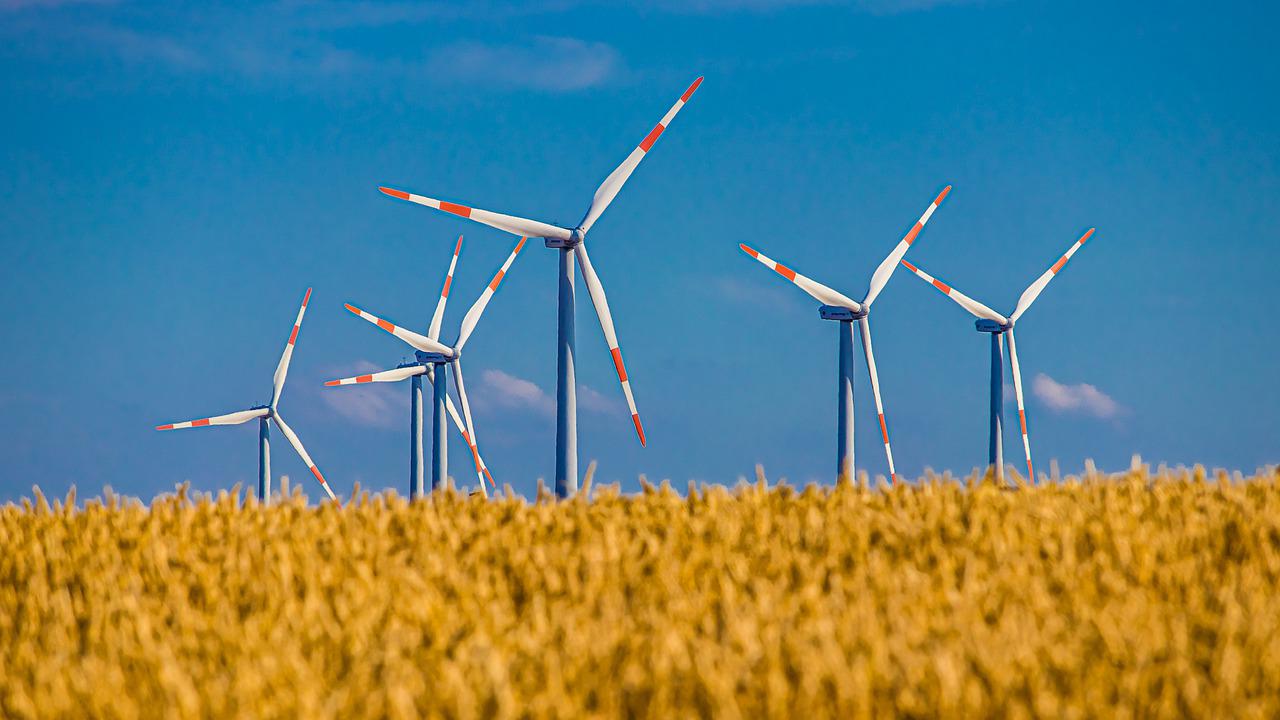
The renewable energy sector has evolved from isolated installations to highly networked infrastructures. Today, wind parks and solar plants rely on IoT sensors, cloud monitoring platforms, and remote control systems. Operational Technology (OT) – which manages turbines, inverters, and substations — is increasingly integrated with IT networks for data analytics and grid optimization.
This convergence creates what cybersecurity experts call a “perfect storm”: legacy OT systems, often not designed with cyberthreats in mind, are suddenly accessible through the internet. Attackers can exploit weak authentication, outdated firmware, or exposed APIs to disrupt production or gain control over critical functions.
A single compromised inverter or controller can cascade across connected systems, potentially leading to large-scale power disruption. Recent research revealed vulnerabilities in millions of solar inverters that could allow attackers to alter production data or shut down generation remotely.
Energy Security and Cybersecurity
In an energy system built on distributed generation, digital security equals energy security. A ransomware attack on a renewable operator could halt production and damage investor confidence. A data breach in smart metering could expose consumption patterns or enable fraud. And a coordinated cyberattack on multiple wind or solar assets could even affect grid stability.
The consequences are not theoretical: several energy companies in Europe and Asia have already reported targeted cyber incidents in recent years, highlighting how the renewable sector is becoming a strategic target for both criminal and geopolitical actors.
Building Digital Resilience
Mitigating these risks requires a proactive, layered approach:
- Security by design: cybersecurity must be embedded in the design and development of energy assets, from firmware to communication protocols.
- Isolation: separate operational (OT) and corporate (IT) networks to contain potential intrusions.
- Strong authentication: implement multi-factor authentication (with biometrics, one-time passwords etc.) for all remote access systems.
- Updates and monitoring: “smart” patch management, intrusion and anomaly detection.
- Training: human error remains a major cause of breaches; staff at all levels must understand cyber-hygiene.
In the Europe Union, initiatives like the EU NIS 2 Directive and national research projects such as Italy’s Integrated Project for Energy System Cybersecurity are pushing for stronger standards and best practices. The aim is clear: make cybersecurity a structural element of the energy transition, not an afterthought.
The Road Ahead
The renewable energy revolution depends on digital trust. Investors, regulators, and operators must treat cyber resilience as a core sustainability index, as critical as carbon reduction or grid reliability. Only by securing its digital foundations can the renewable energy sector ensure that the green transition remains not just sustainable, but also safe and resilient.