A Bold Path to Independence
Lithuania’s energy transformation has been nothing short of remarkable. Once heavily reliant on Russian energy imports, the small Baltic nation has reinvented its strategy to pursue independence, sustainability, and innovation. The International Energy Agency’s (IEA) latest Lithuania 2025 – Energy Policy Review offers a timely look at how far the country has come—and what challenges lie ahead.
At the heart of Lithuania’s ambitions lies the National Energy Independence Strategy (NEIS), a roadmap stretching to 2050. The plan sets out to decarbonise the economy, strengthen security of supply, and even position Lithuania as a future exporter of hydrogen. Yet, the IEA warns that the strategy’s assumptions are highly optimistic. The government projects a sixfold increase in electricity demand by mid-century—almost half of it from hydrogen production. According to the IEA, Lithuania should proceed in stages, focusing first on proven, lower-risk measures that cut emissions and enhance resilience.
Severing the Russian Link
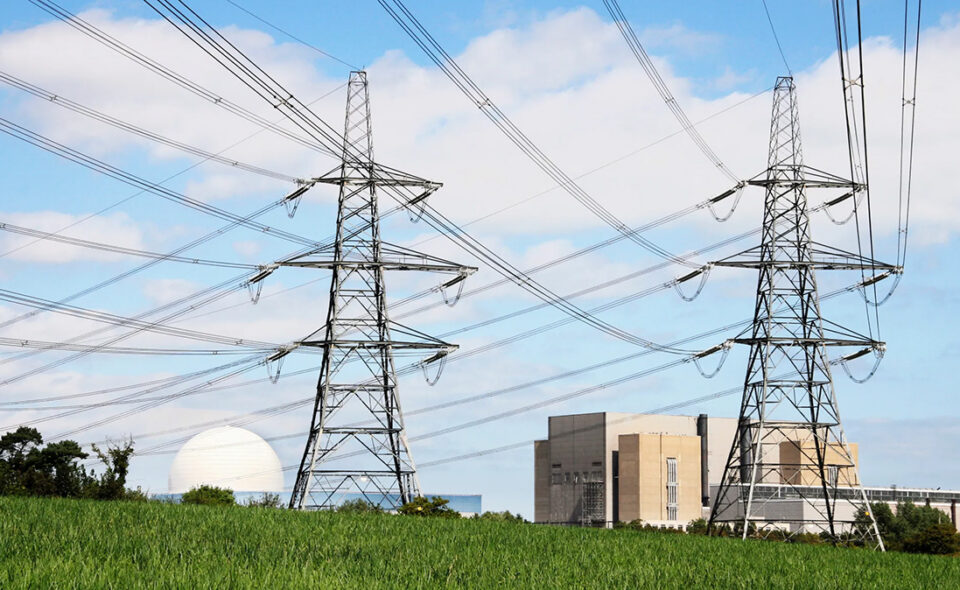
One of the defining moments in Lithuania’s modern energy history came in early 2025, when the country—alongside Estonia and Latvia—officially disconnected from the Russian-led BRELL grid. By synchronising its electricity network with Europe via interconnections to Poland, Sweden, and Finland, Lithuania completed a long-planned step towards full energy sovereignty.
This shift brings both pride and pressure. Integration into the European grid enhances stability and competition, but it also demands more sophisticated grid management and investment in flexibility. As Lithuania’s renewables share grows, maintaining reliability while phasing out fossil fuels will require careful planning and smart infrastructure.
Building a Renewable Future
Lithuania’s progress in renewable energy is one of its strongest achievements. Wind and solar power are growing rapidly, supported by a rise in public funding for research and innovation—from €13.7 million in 2022 to €17.5 million in 2023. Between 2019 and 2023, nearly €70 million was channelled into energy R&D and demonstration projects.
The country’s innovation priorities are wide-ranging: distributed generation, district heating modernisation, smart grids, carbon capture, power-to-gas, small modular reactors, and cybersecurity. Yet, the IEA cautions that trying to lead in too many areas risks diluting impact. Focusing resources on a few high-potential technologies could deliver stronger results and international recognition.
The Efficiency Challenge
If there’s one area where Lithuania still struggles, it’s energy efficiency—especially in its ageing housing stock. Many of the country’s apartment blocks are poorly insulated, making heating costly and inefficient. The IEA suggests a shift from isolated renovations to neighbourhood-level schemes that deliver economies of scale. It also recommends moving away from blanket energy bill subsidies towards investment support for vulnerable households, enabling them to afford energy-efficient upgrades.
District Heating Gets a Makeover
District heating supplies about half of Lithuania’s homes, but much of the infrastructure dates back decades. The system still relies heavily on imported natural gas and outdated equipment. The IEA calls for modernisation through greater use of bioenergy, waste heat, and power-to-heat technologies. It also suggests transferring ownership of heating substations from building owners to utility operators, allowing for more efficient management and optimisation of the network.
Reinventing the Grid
Lithuania’s electricity network is entering a critical stage of transformation. To support growing electrification—especially if hydrogen production expands—the grid must accommodate a surge in renewable generation. Stable regulation and investor confidence will be key.
The IEA urges Lithuania to empower grid operators to make “anticipatory” investments, expanding infrastructure in advance of demand rather than reacting to shortfalls. It also advises the introduction of smarter tariffs and market rules that reward flexibility, such as time-of-use pricing and support for consumer participation in balancing markets.
Nuclear energy, long a contentious issue in Lithuania, may return to the discussion. The IEA recommends preparing the groundwork for potential small modular reactors (SMRs) in the 2030s, emphasising the importance of transparent regulation and public engagement.
Smarter Solar, Smarter Systems
Lithuania’s net-metering scheme has made rooftop solar hugely popular, but it has also created strains on the local grid. To address this, the IEA recommends a gradual transition to a net-billing model that more accurately values self-consumed electricity and encourages storage integration. This evolution, if handled carefully, could maintain public enthusiasm while improving system efficiency.
Rethinking Transport
Transport remains Lithuania’s most stubborn emissions challenge. The vehicle fleet is among the oldest in Europe, and road transport dominates energy consumption. The IEA proposes a combination of policy sticks and carrots: introducing CO₂-based vehicle taxes, offering bonuses for low-emission cars, and promoting electric mobility.
Wider mobility reforms are also essential. Expanding public transport, developing cycling infrastructure, improving rural bus networks, and introducing congestion pricing or low-emission zones in cities could all help reduce reliance on private cars. Electrifying public and corporate fleets—and even offering social leasing of EVs for low-income families—could speed up change while keeping it fair.
A Pragmatic Path Forward
The IEA’s overarching message is one of cautious optimism. Lithuania’s energy transition has made impressive strides, but sustaining progress will require pragmatism. Policymakers are encouraged to remain flexible, review targets regularly, and adapt to changing technologies and markets.
Building the human and institutional capacity to deliver these reforms will be vital. So too will be regional cooperation: as part of the European grid and energy market, Lithuania’s success will increasingly depend on cross-border coordination and shared infrastructure.
A Model for Small Nations
Lithuania’s journey offers valuable lessons for other small nations pursuing energy independence in a volatile world. By combining bold ambition with practical policy design, Lithuania is demonstrating that even a country of fewer than three million people can reimagine its energy future.
Its break from Russian influence, expanding renewables base, and growing investment in innovation showcase the power of strategic planning and persistence. Yet the next phase—modernising buildings, rethinking transport, and managing the grid of the future—will test both political will and public support.
If Lithuania can keep its balance between ambition and realism, the IEA believes it could become a European model for clean, sovereign, and sustainable energy transformation.