Cool and overcast weather last week increased electricity consumption and led to low solar power generation. Calm weather on Sunday evening and this morning caused electricity price spikes. Due to maintenance work at the Kruonis transformer substation, electricity trading between the Baltic States and the Nordic countries has been restricted until October 30.
Between October 13–19, the average weekly wholesale electricity price in Lithuania’s “Nord Pool” price zone rose by 3%, from €126/MWh to €130/MWh. The price in Latvia was the same as in Lithuania, while in Estonia it stood at €109/MWh.
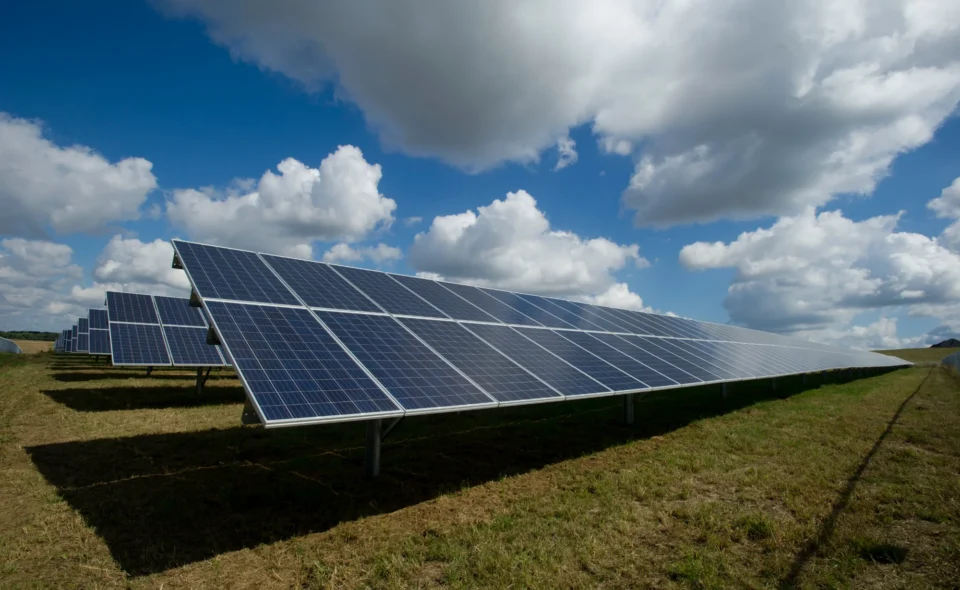
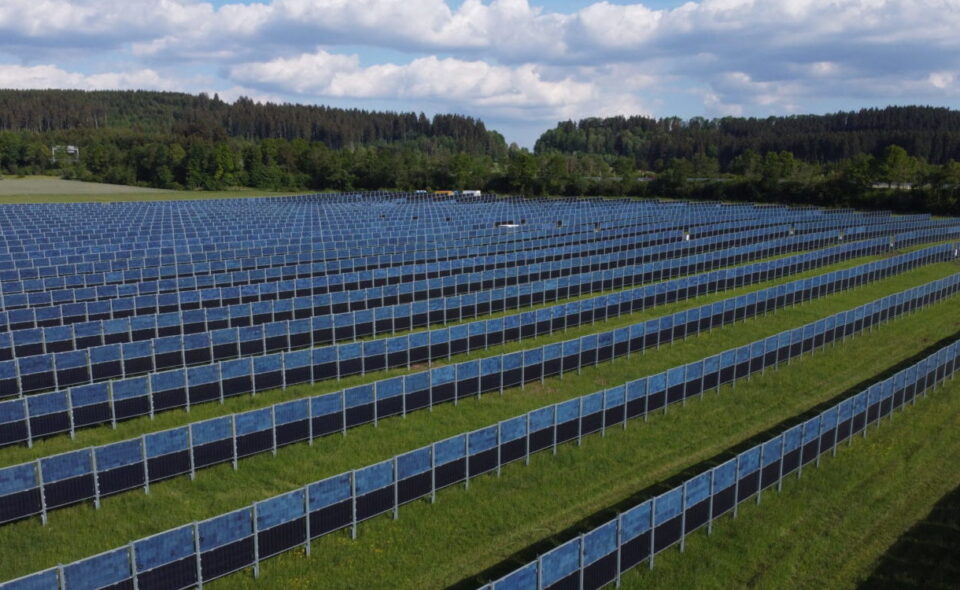
“Last week, electricity consumption in Lithuania grew rapidly, mainly due to the cool and cloudy weather. By mid-October, solar power generation has less and less impact on electricity prices. Over the week, solar power plants generated only 18.9 GWh — the lowest since the last week of February this year, when generation also fell below 20 GWh. Although wind farms generated a considerable 70 GWh, the wind almost completely stopped on Sunday, which caused a sharp price surge in the evening — between 21:00 and 21:15, prices reached €710/MWh. Minimal wind conditions continue, with morning electricity prices soaring as high as €1,051/MWh. This is also influenced by ongoing maintenance at the Kruonis pumped storage power plant and reduced transmission capacity between the Baltic and Nordic countries. These maintenance works will continue until October 30,” said Deividas Šikšnys, Head of Market Development at Litgrid.
Electricity consumption in Lithuania last week increased by 5%, from 217 GWh to 227 GWh. Domestic power plants covered 70% of total consumption. In total, 159 GWh of electricity were generated in Lithuania last week — 6% less than the previous week’s 169 GWh.
Wind power plants produced the most electricity in Lithuania last week. Their output decreased by 8%, from 76 GWh to 70 GWh. Generation from thermal power plants connected to the transmission grid remained the same — 45 GWh. Solar power generation dropped by 21%, from 24 GWh to 19 GWh. Hydropower plants generated 12 GWh, and other sources produced 13 GWh. Overall, last week wind power accounted for 44% of Lithuania’s electricity generation, thermal power plants for 28%, solar power plants for 12%, hydropower for 8%, and other plants for 8%.
In terms of import/export balance, 36% of Lithuania’s electricity demand was met by imports. Total imports grew by 41%, from 82 GWh to 116 GWh. Breaking down the imports: 72% came from the Nordic countries via the NordBalt interconnection, 18% from Latvia, and the remaining 10% from Poland.
Electricity exports from Lithuania increased by 33%, from 21 GWh to 28 GWh. Of these exports, 43% were directed to Poland, 32% to Latvia, and 25% to the Nordic region.
Utilisation of the LitPol Link interconnection capacity reached 40% in the direction of Poland and 43% toward Lithuania while the NordBalt interconnection utilisation was 6% toward Sweden and 71% toward Lithuania.