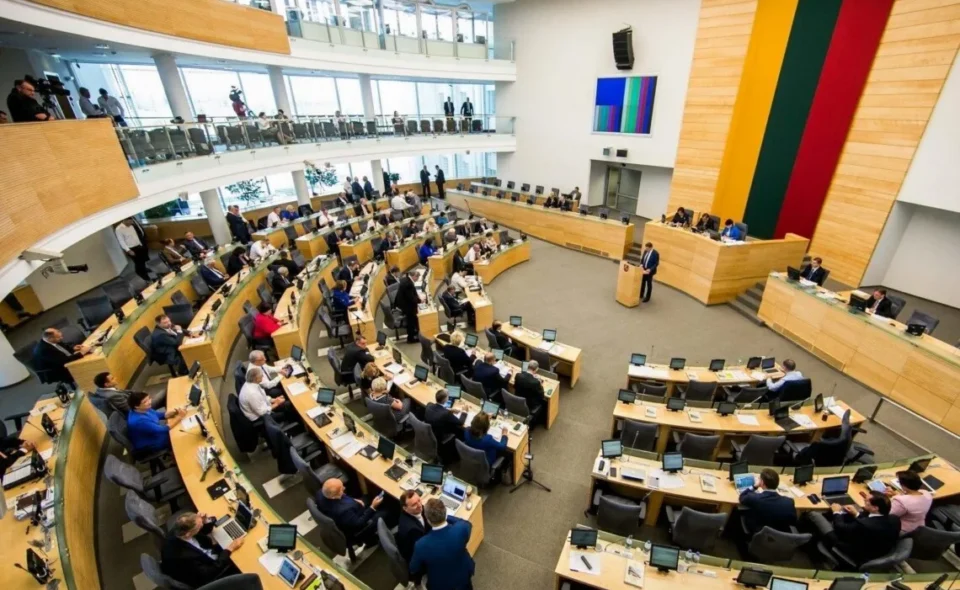
Parliamentary elections will be held in Moldova in just over a fortnight from today – on 28 September 2025. The outcome of this election will be pivotal to country’s future, including its energy policy, security, and sovereignty.
The last parliamentary election in Moldova was held on 11 July 2021, resulting in a landslide victory for the pro-European Party of Action and Solidarity (PAS), led by President Maia Sandu. PAS secured 63 out of 101 seats, allowing it to form a single-party majority government. The election marked a significant shift towards European integration, as PAS defeated the Bloc of Communists and Socialists, a pro-Russian electoral alliance.
Since coming to power, the PAS-led government has pursued anti-corruption measures, judicial reforms, and European Union integration. In the 2024 presidential election, incumbent Maia Sandu was re-elected with 55.3% of the vote, defeating pro-Russian candidate Alexandr Stoianoglo.
The election was overshadowed by Russian interference, with authorities seizing illegal propaganda materials. Alongside the election, Moldova held a referendum on EU integration, which narrowly passed with 50.4% support.
Moldova’s intelligence chief Mr Alexandru Musteață stated that the election is expected to face significant interference from Russia. According to him Moscow is likely to employ the tactics used during the 2024 presidential election and the EU referendum, including disinformation campaigns, financial support for pro-Russian parties, and other covert efforts to destabilise Moldova’s democratic process. The Moldovan government has expressed its determination to counter these threats.
Moldova has long been vulnerable to ‘energy blackmail’ from Russia – an issue that has intensified in 2025. Russia’s cessation of gas deliveries to Transnistria and the Cuciurgan power plant triggered widespread electricity shortages and escalated prices across the country, affecting both supply reliability and public sentiment. The ensuing winter crisis increased inflation and put significant pressure on the ruling pro-Western Party of Action and Solidarity (PAS).
Key Energy Developments at Stake
Diversification & Independence Accelerated
- Moldova’s action plan for energy independence, approved in March 2025, underscores priorities such as boosting renewables, creating fuel storage, enhancing grid flexibility, and integrating its energy system with the EU by 2030.
- The critical Vulcănești–Chișinău 400 kV line, set for completion by end of 2025, will allow Moldova to bypass Transnistrian infrastructure and integrate directly with Romania and the broader ENTSO-E network.
- A new regime gives Energocom exclusive supplier and billing authority for natural gas beginning August 2025, marking a swift shift away from the Russian-dominated Moldovagaz.
- The World Bank approved a $90 million support package to bolster energy security, reform, and climate resilience.
Phasing Out Russian Dependence
- The government is moving to diminish reliance on the Moldavskaya GRES power plant in Transnistria, signalling its intention to phase out associated dependencies.
- With the end of gas transit via Ukraine (January 1, 2025), Moldova cut electricity imports from Transnistria from 70–90% to just 37% by December 2024 – boosting its drive toward energy self-reliance.
- Energy imports and balancing alternatives are being sought from Romania, Ukraine, and via battery storage tenders (e.g., the 75 MW tender with USAID support)
Election Outcomes: Scenarios and Energy Impacts
PAS (Pro-EU) Retains Majority
- Continued energy reform: Full implementation of the 2025–2030 Energy & Climate Plan, further integration with European energy markets, advancing grid flexibility, and renewable deployment.
- Energy security deepens: Completion of infrastructure like Vulcănești–Chișinău line, continued expansion of gas and power storage/reserves, and decreasing dependence on Russian supply chains.
- International support strengthens: Continued backing from EU, World Bank, and Romania, including sustained financial, technical, and regulatory assistance.
Pro-Russian-Aligned Bloc Wins or Gains Influence
- Risk of energy rollback: Possible drifting away from EU-aligned energy goals, renewed reliance on Russia, and stalling of integration projects.
- Transnistrian leverage returns: Russia could reassert influence over energy flows – potentially giving Transnistrian stakeholders and Gazprom renewed political clout.
- Reduced Western aid: International support may wane, making infrastructure projects and reform financing more difficult.
Fragmented Results, Coalition Government
- Reform delays: Cross-bloc disagreements could slow critical projects like grid integration, legal frameworks, and technology deployment.
- Compromised energy messaging: Political deal-making may shift messaging from energy independence to short-term affordability pledges – potentially rolling out lower prices on the back of strategic compromises.
In each scenario, Moldova’s energy trajectory could shift dramatically, changing its pace of reform, reliance on external actors, and readiness to join the European energy community.
Conclusion: Energy at the Crossroads of Democracy
Moldova’s 2025 parliamentary election is more than a domestic political event – it’s a referendum on energy sovereignty, geopolitical orientation, and democratic resilience. The direction taken in the voting booth will shape whether Moldova builds a future of clean, independent, and resilient energy systems, or resets back toward energy vulnerabilities with geopolitical strings attached.
Earlier this year The Voice of Renewables, in co-operation with the Ministry of Energy of Moldova team, organised Future Energy Forum Moldova and have met with high-ranking representatives of the Moldovan Ministry of Energy, including Minister Dorin Junghietu and Secretary of State Ms Carolina Novac. We also met CEOs of many Moldovan energy companies, including Moldenergy, Energocom, Premier Energy and Sedera. We are looking forward to collaborating with them on 2nd Future Energy Forum Moldova, which will take place on June 10th, 2026 in Chisinau. We shall keep our readers posted as soon as the elections results are out.