Romania enters 2026 with renewed momentum across its solar and energy-storage markets — but also with a sharper sense of discipline. The era of inflated pipelines and speculative grid bookings is fading; the market is maturing, and investors now demand a cleaner, more bankable landscape. What emerges is a sector that is more selective, more structured, and significantly better aligned with Romania’s long-term energy-transition objectives.
Policy direction: ambition remains high, execution takes centre stage
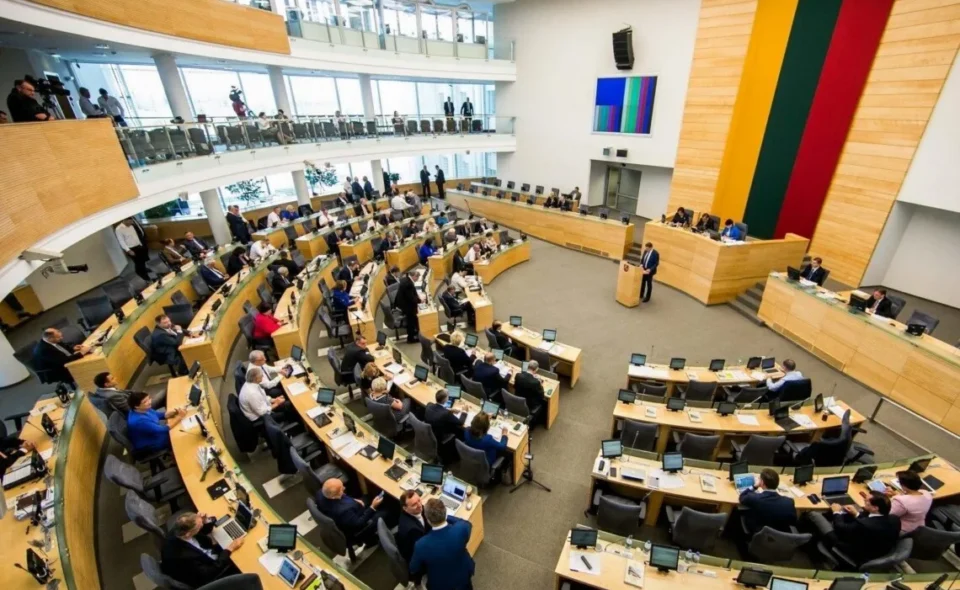
Bucharest’s updated planning signals consistent backing for renewables through 2030 and beyond. Solar remains central to Romania’s decarbonisation strategy, and flexibility — particularly storage — is no longer optional but a foundational asset class.
At the same time, ministries and regulators have become vocal about a new imperative: delivery. The government is increasingly rewarding projects that demonstrate real progress — land, permits, financing, and credible grid pathways — rather than those that inflate the country’s theoretical pipeline.
This shift marks a healthy evolution. Ambition is still present, but outcomes matter more than announcements.
Grid rules: the new differentiator
Recent changes to Romania’s grid-connection regime have reshaped the playing field. Financial guarantees, accelerated studies, and stricter timelines now favour technically advanced projects and penalise speculative ones. Developers who cannot demonstrate grid realism — backed by engineering and credible capex assumptions — will quickly fall behind.
For those with strong technical programmes, however, the landscape is improving: DSOs and the TSO have clearer mechanisms for reinforcement sharing, queue transparency is improving, and the system is slowly pivoting toward prioritising hybrid and flexibility-enhancing projects.
Storage steps into the commercial mainstream
Romania’s storage sector matures significantly in 2026.
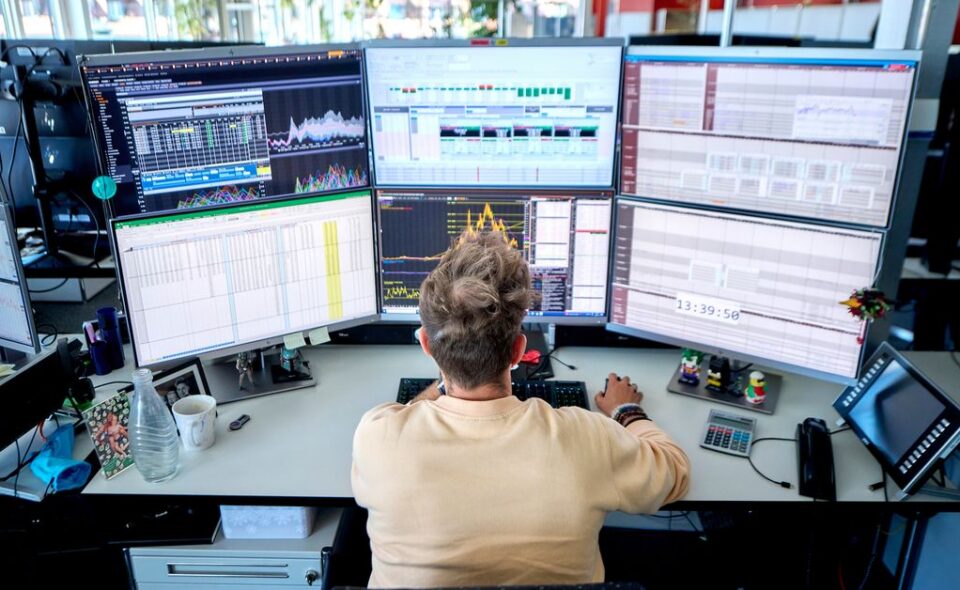
Where previously the focus was on pilot deployments and grant-based support, today’s conversations revolve around revenue stacking, ancillary-services participation, degradation guarantees and long-term O&M certainty. Banks have taken note. Investors are now actively evaluating BESS as a core component of project finance packages — particularly when paired with solar.
Public-sector funding streams, including municipal-level schemes and targeted flexibility programmes, are accelerating early deployments, helping buyers build internal expertise and giving integrators a runway for scale. The next 12–18 months are expected to bring Romania’s first wave of sizeable, fully bankable storage assets.

Solar development: strong volumes, but quality beats quantity
Large-scale solar continues to dominate new capacity. But 2026 will mark a turning point:
- Hybrid PV+BESS projects are rapidly becoming the preferred configuration.
- Corporate PPAs are growing, supporting merchant-plus structures.
- Bankability is tied directly to grid deliverability and storage integration.
Pure-play merchant solar without flexibility will face a more demanding investment climate, while hybrid assets will benefit from improved capture prices, better curtailment protection and enhanced grid-integration value.
Financing: capital is available — but only for credible projects
European and institutional capital remains interested in Romania, but lenders are more selective than ever.
The criteria have become clearer:
- A realistic grid-connection pathway.
- Revenue visibility (PPAs, capacity contracts, ancillary-services exposure).
- Quality sponsors and EPCs with demonstrable execution capability.
Developers with strong governance and transparent commercial structures will find competitive debt terms; others will struggle to close.
Energy security: a constant backdrop
Shifts in regional energy security continue to influence Romanian planning. Transitional gas, nuclear timelines and coal phaseout pathways all feed into price forecasts and flexibility needs. For solar and storage developers, this underscores the importance of dynamic modelling and scenario-testing to capture risks and monetise ancillary-service opportunities.
The Voice of Renewables’ view: 2026 will reward realism, discipline and hybridisation
Romania’s solar and storage market is stronger than ever — but also more mature. Developers who invest in technical accuracy, grid foresight and hybrid asset design will lead the next wave of bankable capacity. The opportunity is substantial; the challenge is execution.
Meet the industry shaping this transition
Join The Voice of Renewables community at the Future Energy Forum Romania, taking place on 15 January 2026 at the JW Marriott Bucharest Grand Hotel — the premier gathering for Romania’s solar, storage and grid-modernisation leaders.