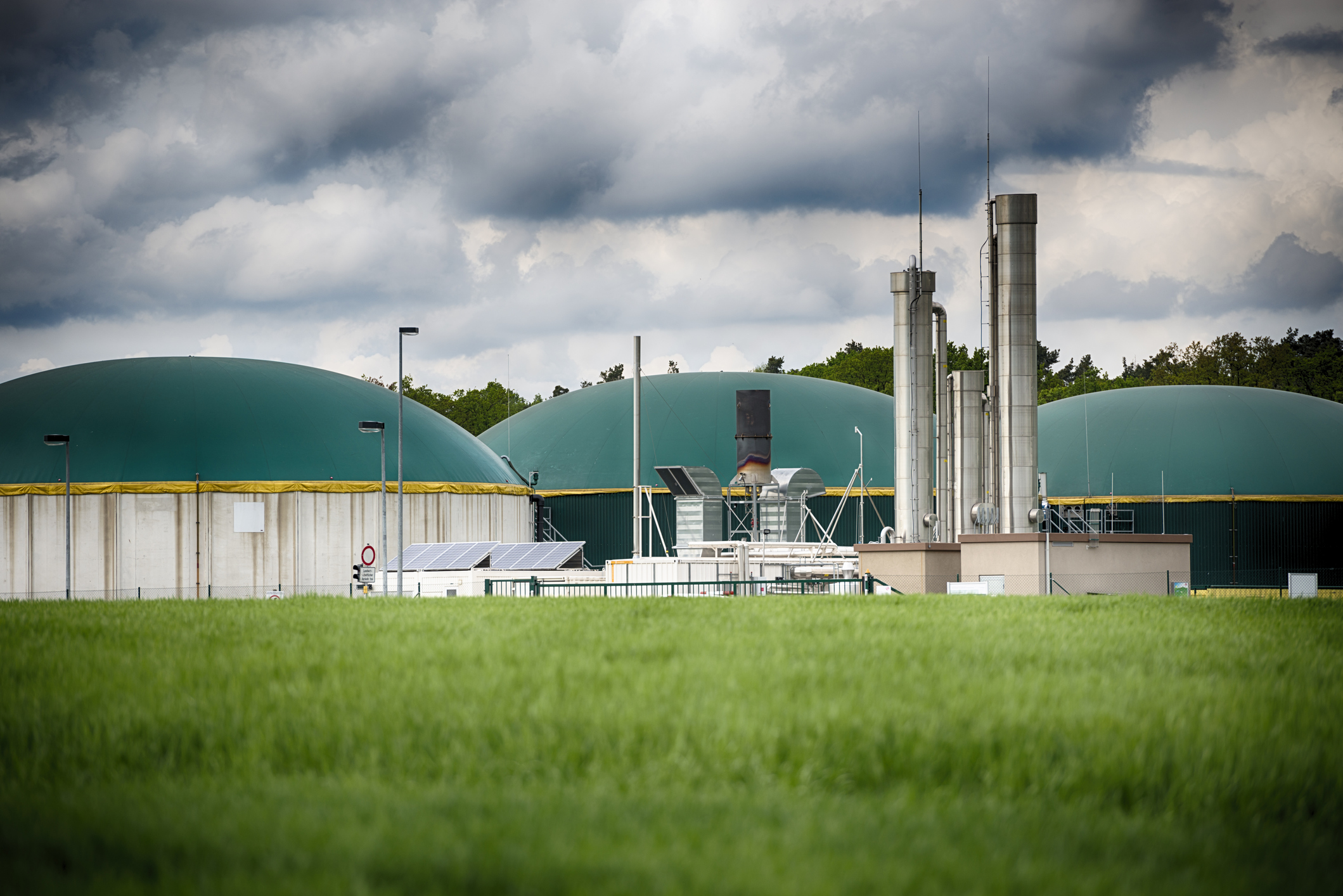

Irish renewable energy developer, N1 Capital Limited, is planning to begin construction of a large-scale green hydrogen and synthetic methane production facility in the industrial district of Panevėžys in 2028. Full commissioning of the plant’s highest-capacity installations is expected by 2033.
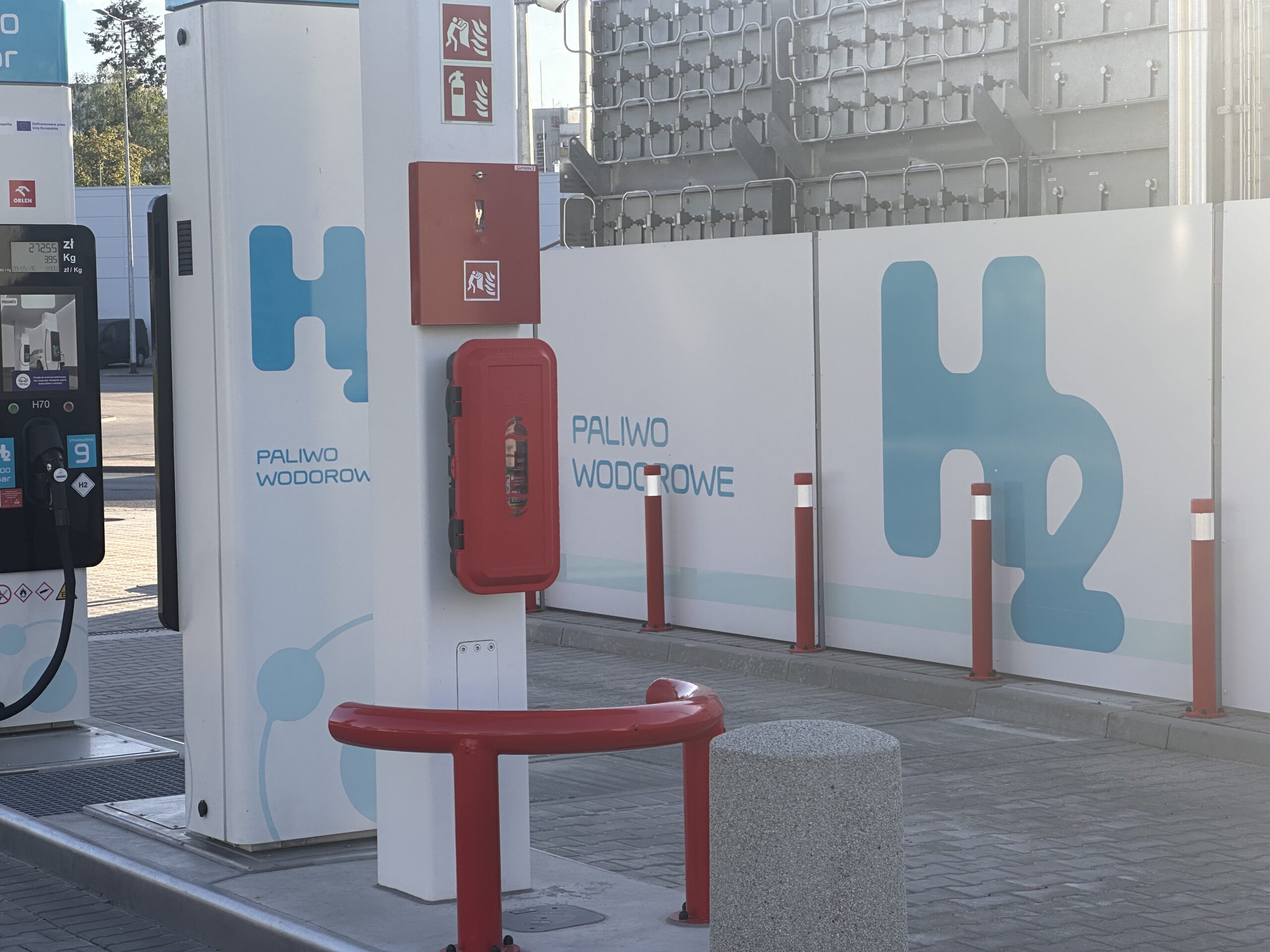
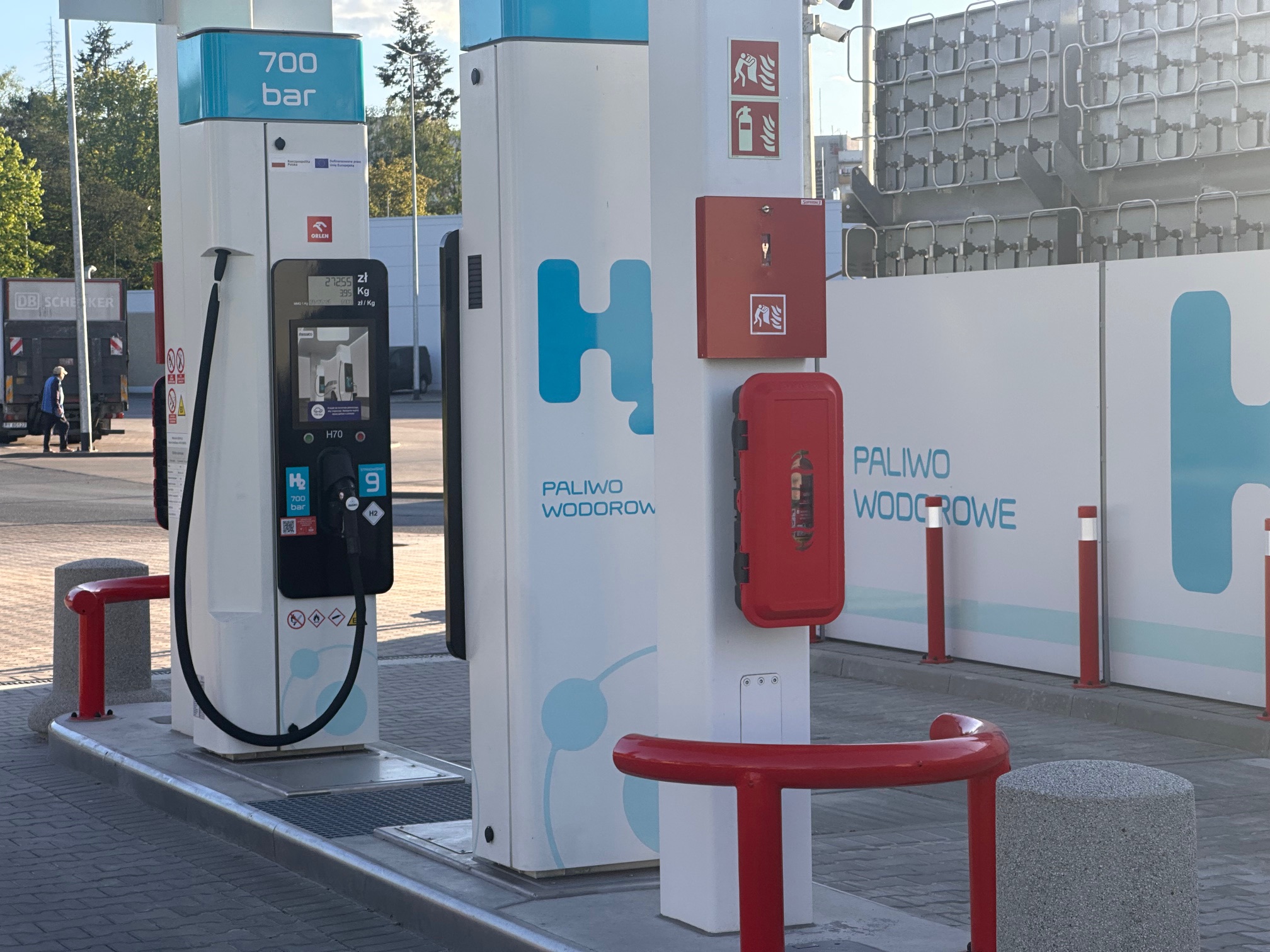
According to the environmental impact assessment process currently underway, the facility would be located in the northern industrial zone of Panevėžys. It is designed to produce green hydrogen and synthetic methane using electricity from renewable sources, alongside chemical and biological conversion processes. The development also includes plans for a public hydrogen refuelling station and fast-charging infrastructure for heavy goods vehicles and buses on a 14-hectare site in the south-eastern part of the area.
The project was previously referenced in 2024 discussions by Lithuania’s then Energy Minister, Dainius Kreivys, who indicated that N1 Capital was considering investments of up to 500 MW of green hydrogen production capacity in the country. The company later confirmed it was assessing opportunities in Lithuania, noting that more detailed public commentary would likely follow in the second quarter of 2025.
The development is expected to proceed in phases. The first stage will include up to 20 MW of electrolysis capacity and up to 10 MW of synthetic methane production, alongside the hydrogen refuelling station and related infrastructure. Synthetic methane produced during this phase is intended for injection into a nearby natural gas pipeline network.
A second phase would add a further 100 MW of electrolysis capacity and up to 50 MW of synthetic methane production capability. At full scale, the electrolysers could generate up to 63,000 tonnes of hydrogen per year, while synthetic methane output is projected at approximately 39,600 tonnes annually.
Beyond fuel production, the project also includes plans to capture and utilise waste heat, supplying it to Panevėžys’s district heating system. Additional infrastructure would enable the storage of carbon dioxide, hydrogen, and oxygen, with the possibility of distributing excess heat and oxygen to nearby industrial users via pipelines.
In a later expansion stage, once hydrogen transmission infrastructure is developed in Lithuania, total electrolysis capacity could rise to as much as 380 MW. Much of the hydrogen produced at that point would be exported through a planned North and Baltic Hydrogen Corridor pipeline, though its exact route has yet to be determined.
Green hydrogen would be produced through water electrolysis, using electricity to split water into hydrogen and oxygen. The combined energy demand of the electrolysis and synthetic methane facilities is estimated at up to 3.4 TWh annually, with a 330 kV grid connection planned from an AB Litgrid substation in the Panevėžys region for the second phase.
N1 Capital Limited states that it is developing more than 1 GW of green hydrogen projects, alongside substantial solar and wind capacity, strategically located near Europe’s emerging hydrogen backbone.
Across Lithuania, hydrogen development remains at an early stage. Small-scale transport-focused hydrogen refuelling stations are being developed in Vilnius and Klaipėda, with Klaipėda’s 2.25 MW electrolysis-based facility nearing completion and Vilnius’ 3 MW plant expected to follow in summer.
More established industrial users in the country include Orlen Lietuva and fertiliser producer Achema, both of which currently rely on so-called grey hydrogen produced from natural gas. While Orlen Lietuva is developing up to 100 MW of future green hydrogen capacity, Achema abandoned a €122 million support scheme for such a project in 2024 on economic grounds.
State-owned energy group Ignitis Group is also assessing the feasibility of a 1 GW hydrogen project in Elektrėnai, though officials have indicated that launching at such scale immediately may not be economically optimal.
Officials in Lithuania’s Energy Ministry have argued that the sector’s major breakthrough will depend on the development of a cross-European hydrogen corridor linking Finland to Germany. Export capacity via this route could reach an estimated 91 TWh by 2040. However, uncertainty remains over timing, with expectations ranging between 2033 and 2035 for full operational readiness.
Given the high electricity demand of hydrogen production, the expansion of this sector could significantly increase consumption of renewable power in Lithuania, potentially stimulating investment in wind and solar projects that are currently constrained by low prices and limited demand.
EVENT ALERT: