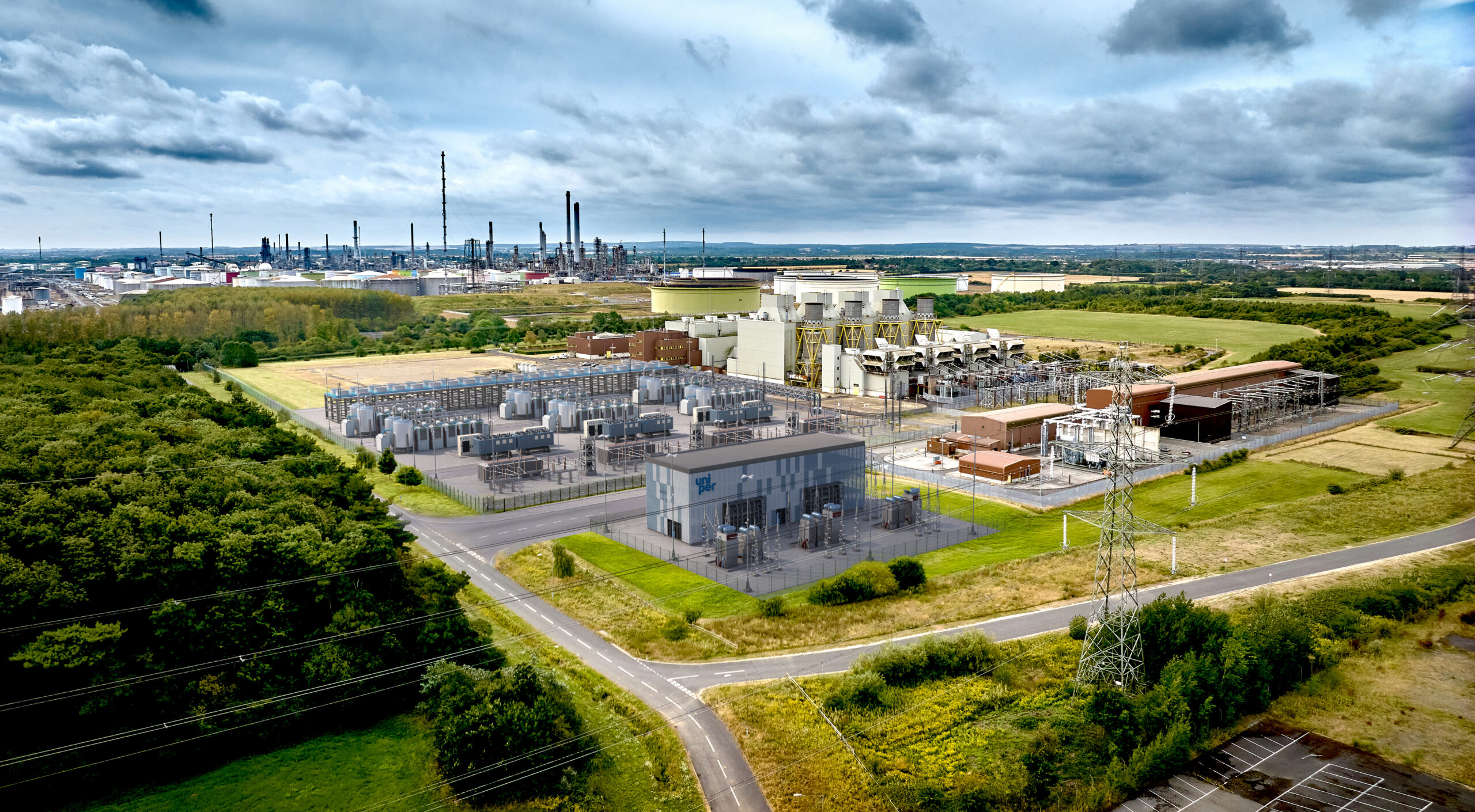


A parliamentary meeting has been held in support of a campaign to secure £500 million in government funding for the Humber region, as industry leaders, trade unions and politicians unite behind plans to establish the UK’s first large-scale hydrogen production and storage centre.
The proposed Humber Hydrogen network would form one of the country’s most significant clean energy infrastructure developments, positioning the Humber as a national hub for hydrogen production, storage and distribution. The initiative brings together major energy companies including National Gas, Centrica, Equinor and SSE Thermal, working collaboratively to design an integrated hydrogen system across the region.
Labour MP Emma Hardy, who sponsored the parliamentary meeting, said the Humber is uniquely placed to lead the UK’s hydrogen economy. “The Humber is the best place for Britain’s first hydrogen network, which will bring jobs, investment and a huge potential for expansion,” she said.
The Humber Hydrogen network would connect key industrial and energy sites across East Yorkshire and North Lincolnshire, including Aldbrough Hydrogen Storage, H2H Saltend, and the Keadby Next Generation Power Station. Together, these projects would form a coordinated system to produce, transport and store hydrogen for use across energy generation and heavy industry.
At the heart of the vision is an integrated infrastructure system linking hydrogen production facilities with storage caverns and end users through a dedicated pipeline network, including planned connections beneath the Humber estuary.
The network is designed to support both blue hydrogen production (from natural gas with carbon capture) and green hydrogen (produced using renewable electricity), creating a flexible, large-scale supply capable of decarbonising some of the UK’s most energy-intensive industries.
According to the Local Democracy Reporting Service, the Humber Hydrogen system could deliver up to 3GW of hydrogen production capacity, helping to decarbonise sectors such as chemicals, steel and cement, while also opening up new opportunities in emerging markets including sustainable aviation fuel.
Emma Hardy added that the project represents both an economic and environmental opportunity for the region. “Humber Hydrogen is about protecting our region’s industrial future, driving clean growth and creating greater energy security for the nation,” she said.
The Humber has been identified by industry leaders as a natural location for a hydrogen hub due to its existing strengths: a concentration of heavy industry, established gas infrastructure, deep-water ports, and access to potential offshore carbon storage sites. Salt caverns in the region also offer large-scale hydrogen storage potential, enabling seasonal balancing of supply and demand.
John Wilson, Head of Hydrogen Clusters at National Gas, said the Humber stands out nationally as the leading candidate for a hydrogen heartland. “The Humber is the obvious choice. Nowhere else can match what it offers as Britain’s future hydrogen heartland – industrial demand, infrastructure, supply chains, geological storage and the skilled people needed to unlock Britain’s clean energy ambitions,” he told The Voice of Renewables.
Speaking to BBC reporters, John Wilson, Head of Hydrogen Clusters at National Gas, said the Humber stands out as the UK’s leading candidate for a hydrogen heartland, adding: “The Humber is the obvious choice. Nowhere else matches what it offers – industrial demand, existing infrastructure, established supply chains, geological storage and the skilled workforce needed to unlock Britain’s clean energy ambitions.” He said hydrogen will play a central role in strengthening energy security while decarbonising industry and protecting skilled jobs across the region, describing it as a “win-win for British industry” that supports energy security, enables decarbonisation and secures the future of critical industries, while also sustaining existing employment and creating new opportunities for apprentices and graduates, before concluding: “We’re backing the Humber – and we’re urging the UK Government to do the same.”