Author: Derek Michalski, Editor
Austria’s hydrogen sector received a significant boost in June with the formal signing of agreements for the H2 Hub Bergla project, a development that could become one of the country’s most important industrial hydrogen initiatives and a model for future regional hydrogen hubs across the DACH market.
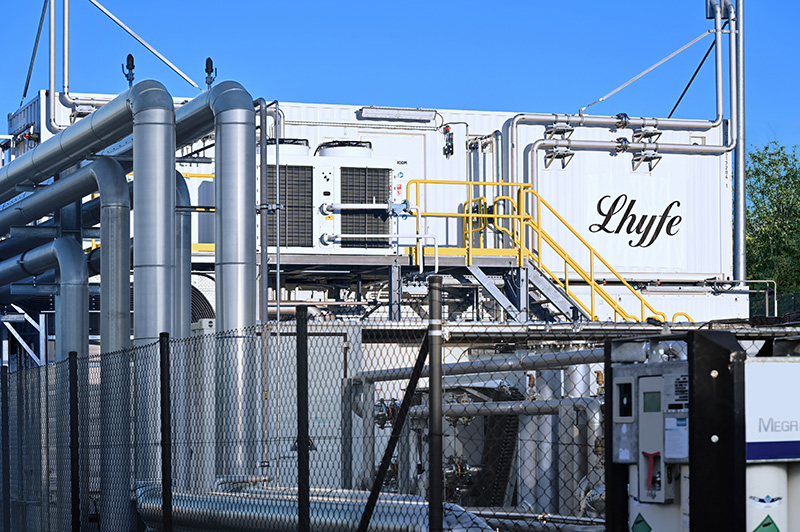
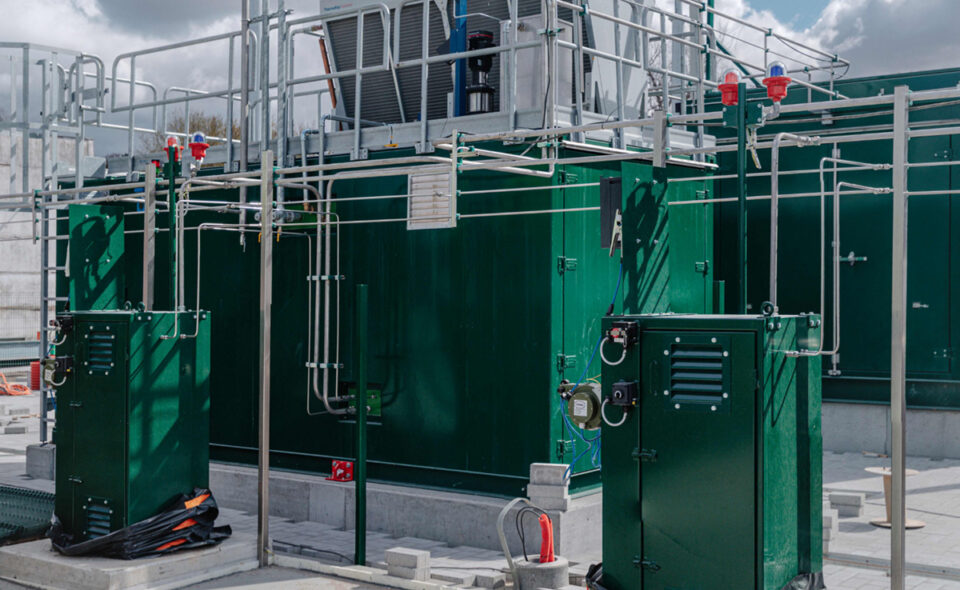
The project, led by Energie Steiermark in partnership with Wolfram Bergbau und Hütten AG, will establish a 5 MW green hydrogen production facility in Bergla, western Styria. Construction is scheduled to begin in autumn 2026, with commercial operations expected in 2027.
Once operational, the plant will produce up to 750 tonnes of green hydrogen annually, supplying industrial users and supporting the decarbonisation of one of Austria’s most energy-intensive manufacturing sectors.
While modest compared with some of Europe’s headline gigawatt-scale hydrogen projects, an annual output of 750 tonnes represents a meaningful volume for industrial decarbonisation. The production equates to approximately 25 GWh of hydrogen energy per year and is sufficient to replace significant quantities of fossil-derived hydrogen in industrial processes. Depending on the application, such a volume could prevent several thousand tonnes of carbon dioxide emissions annually while providing a stable supply for continuous manufacturing operations. In the case of Wolfram Bergbau und Hütten AG, the hydrogen will support the decarbonisation of specialised tungsten-processing activities, where alternative low-carbon solutions are often limited.
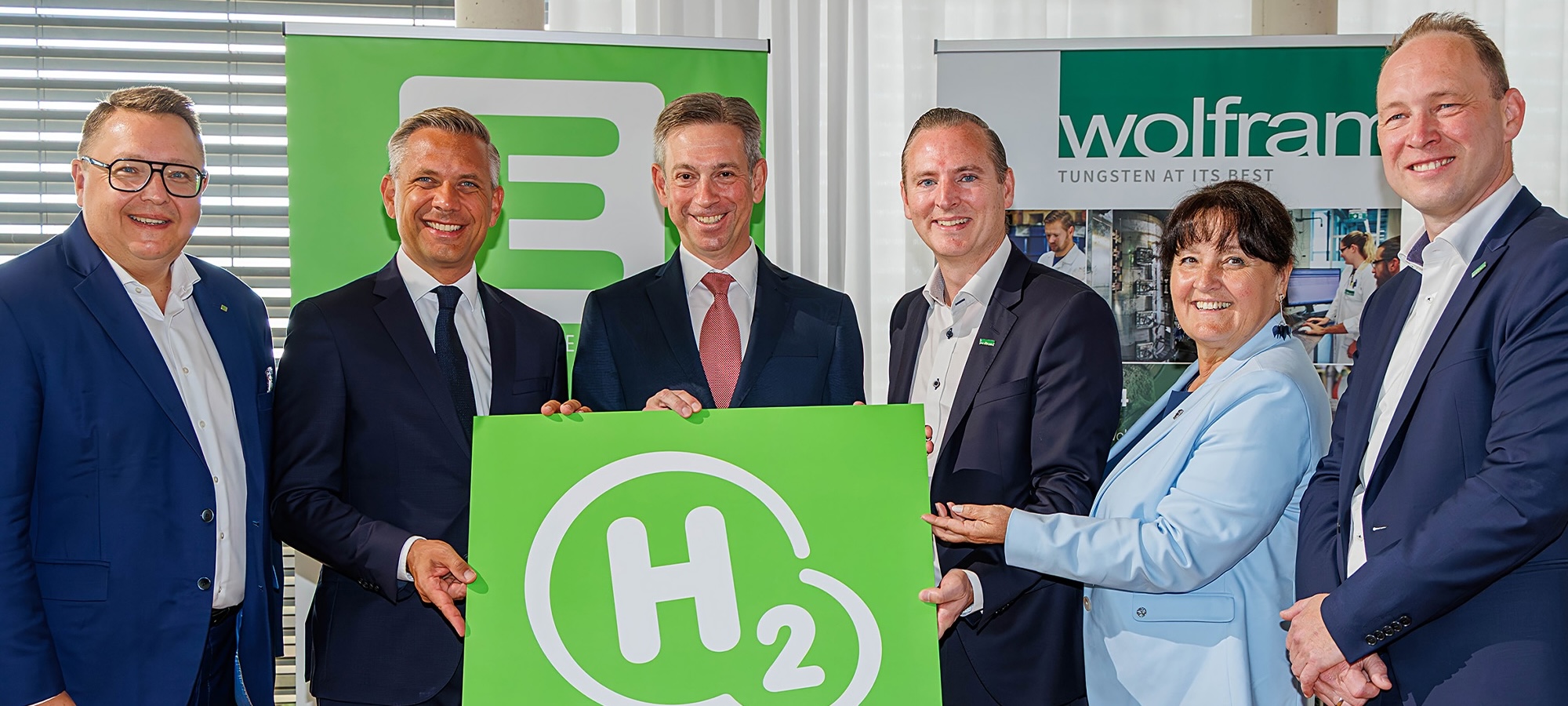
The investment decision was formally confirmed during a signing ceremony in Graz attended by Austrian Minister for Economic Affairs, Energy and Tourism Wolfgang Hattmannsdorfer, alongside senior representatives from Energie Steiermark and Wolfram. The project carries an investment value of approximately €25 million and will receive up to €28.5 million in federal support over a ten-year period, highlighting the strategic importance Austria now places on industrial hydrogen deployment.
Unlike many hydrogen projects that continue to focus on mobility applications or future export ambitions, H2 Hub Bergla is notable for its immediate industrial purpose. The facility is being developed around a clearly identified off-taker: Wolfram Bergbau und Hütten AG, a globally significant producer of tungsten powders and part of the Sandvik Group. Green hydrogen produced at Bergla will be used within Wolfram’s manufacturing processes, replacing fossil-derived hydrogen and contributing directly to the company’s ambition of achieving net-zero emissions by 2050.
The project’s structure reflects an increasingly important trend emerging across Europe’s hydrogen economy. Rather than developing production assets in anticipation of future demand, developers are now prioritising projects supported by secured industrial customers. This approach addresses one of the most persistent challenges facing the hydrogen sector: the simultaneous need to create both supply and demand.
For Austria, the project represents more than a single industrial decarbonisation initiative. It demonstrates a practical pathway for integrating renewable power generation, hydrogen production and industrial consumption within a regional ecosystem. The renewable electricity required for the electrolyser will largely be supplied by Energie Steiermark’s recently constructed wind farms in the Deutschlandsberg district, creating a local value chain that links renewable generation directly to industrial demand. A dedicated pipeline approximately one kilometre in length will connect the hydrogen production site in Bergla with the industrial facilities in nearby St. Martin im Sulmtal. Future integration into emerging European hydrogen transport networks has also been incorporated into long-term planning.
The political support behind the project reflects Austria’s growing recognition that hydrogen will be essential for decarbonising industrial processes that cannot easily be electrified. During the signing ceremony, Minister Hattmannsdorfer described hydrogen as a key technology for strengthening competitiveness, employment and industrial value creation. He stated that the project sends a clear industrial and climate-policy signal and demonstrates how public support and private-sector investment can work together to accelerate deployment.
For Wolfram, the project is equally significant. The company views access to green hydrogen as a critical component of its long-term decarbonisation strategy and future industrial competitiveness.
David Goulbourne, President of Wolfram Bergbau und Hütten AG, described the agreement as a major step forward for the business.
“Securing green hydrogen for our St. Martin operations is a milestone for WOLFRAM. This partnership supports our net-zero ambition, strengthens our long-term supply security, and embeds sustainable production directly into the heart of our value creation.”
His comments highlight a broader challenge facing Europe’s energy-intensive industries. While renewable electricity remains fundamental to decarbonisation, sectors such as metals processing, chemicals and heavy manufacturing increasingly require reliable supplies of renewable hydrogen to address emissions that cannot be eliminated through electrification alone.
The project is also a cornerstone of Energie Steiermark’s wider hydrogen strategy. The regional utility has positioned hydrogen as a key element of its future energy portfolio, linking renewable generation assets with emerging industrial demand centres.
Martin Graf and Werner Ressi, members of the Management Board of Energie Steiermark, emphasised the significance of moving from strategy to implementation.
“With this large-scale green hydrogen project, we are implementing our hydrogen strategy through concrete initiatives and building infrastructure that supports industrial decarbonisation in the region.”
Their statement reflects a growing shift across the DACH region from hydrogen strategy development towards practical implementation. After several years dominated by policy announcements and feasibility studies, utilities and industrial operators are increasingly focused on delivering commercially viable projects that can demonstrate real emissions reductions and create replicable business models.
The broader significance of H2 Hub Bergla extends well beyond Austria’s borders. Across the DACH region, governments and industry are increasingly focused on transforming hydrogen from a policy ambition into a functioning industrial market. Germany has announced extensive hydrogen infrastructure plans through its hydrogen core network, while major industrial users continue to seek long-term supply agreements. Switzerland is exploring hydrogen’s role in heavy industry and transport. In this context, Bergla provides a tangible example of how regional hydrogen ecosystems can be developed around real industrial demand rather than speculative future consumption.
The project’s relatively modest scale is also instructive. At 5 MW, Bergla is far smaller than many of the gigawatt-scale developments frequently announced across Europe. Yet its commercial structure arguably makes it more representative of the projects most likely to proceed over the next decade. The presence of a committed industrial off-taker, dedicated renewable electricity supply, government support and potential future network connectivity creates a framework that many hydrogen developers are increasingly seeking to replicate.
This is particularly important at a time when investors are becoming more selective about hydrogen opportunities. Across Europe, several large-scale production projects have experienced delays, cost escalation or difficulty securing long-term customers. Bergla demonstrates an alternative approach: start with a defined industrial demand centre, secure supply agreements, establish renewable power sources and then expand incrementally as market demand develops.
Importantly, the project is already being viewed as a platform for future expansion. Energie Steiermark has indicated that additional customers could be connected in the future, potentially transforming Bergla from a single-user facility into a wider regional hydrogen hub serving multiple industrial consumers. Such developments would align closely with emerging European strategies focused on hydrogen valleys and industrial clusters, where production, transport and consumption are concentrated within defined geographic areas.
For Austria, the project also reinforces the country’s ambition to position itself as a strategic hydrogen corridor between southern and central Europe. As hydrogen infrastructure expands across neighbouring Germany, Italy and the wider European Union, regional hubs such as Bergla could play an important role in linking local industrial demand with future cross-border hydrogen networks.
At a time when many hydrogen projects across Europe are facing delays, financing challenges and uncertain demand forecasts, H2 Hub Bergla stands out for its clarity of purpose. It combines renewable power, hydrogen production, industrial consumption and government backing within a commercially defined framework. As Austria seeks to establish itself as a competitive hydrogen economy and as the wider DACH region accelerates industrial decarbonisation efforts, the Bergla project may prove to be less important for its size than for the model it represents.
The signing ceremony in Graz therefore marked more than the launch of a single facility. It signalled the emergence of a more mature phase of Europe’s hydrogen economy—one increasingly defined not by ambitious announcements, but by practical projects built around identifiable industrial demand, long-term supply security and measurable decarbonisation outcomes. If successful, H2 Hub Bergla may become a template for the next generation of hydrogen developments across Austria, Germany and Switzerland, demonstrating how regional partnerships can transform hydrogen from an aspiration into an operational industrial reality.