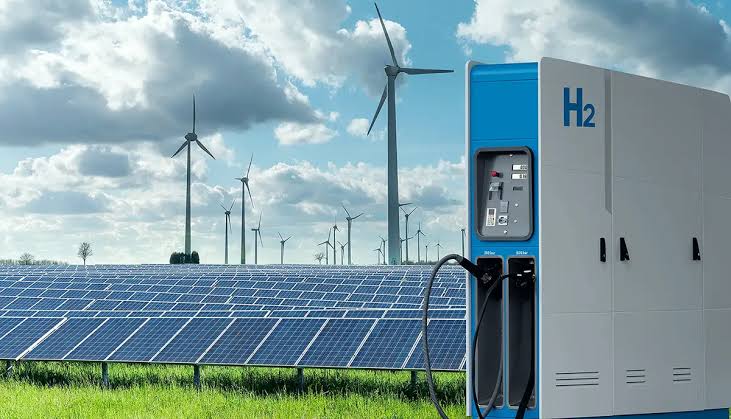


The Voice of Renewables conducted an extensive international research project examining one of the fastest-evolving trends in the global energy transition: the growing integration of utility-scale solar power with renewable hydrogen production. The research drew on government strategies, industry reports, project documentation, academic publications and specialist energy media from more than twenty countries, including UK, Germany, France, Spain, India, Portugal, Poland, China, Japan, South Korea and Saudi Arabia. By comparing developments across multiple regions and markets, the analysis identifies not only where the industry stands today, but also where it is heading.
The findings reveal that solar-powered hydrogen is no longer a niche concept or a collection of isolated demonstration projects. It is rapidly emerging as a strategic pillar of industrial decarbonisation, energy security and international trade. From Europe’s hydrogen valleys and Australia’s export ambitions to the mega-projects taking shape in the Middle East, Africa and Latin America, developers are increasingly designing renewable energy assets to produce molecules as well as electrons.
Because of the breadth and complexity of the subject, The Voice of Renewables is presenting this analysis as a three-part special report. Part One examines the technological, economic and policy drivers that are making solar the preferred renewable energy source for green hydrogen production. Part Two explores the world’s most significant solar-to-hydrogen projects and the companies leading this transformation. Part Three analyses investment trends, market challenges and the role that renewable hydrogen is expected to play in reshaping global energy markets over the coming decades.
Rather than reporting on individual announcements, this series brings together evidence from across the international renewable energy sector to provide a comprehensive picture of one of the defining industrial shifts of the energy transition.
As solar electricity becomes the cheapest source of power in much of the world, developers are increasingly asking a different question: not how to sell every kilowatt-hour to the grid, but how to turn surplus sunshine into one of the world’s most strategic industrial commodities. The answer is driving a new generation of renewable energy projects where solar farms no longer end with an inverter – they end with molecules.
For much of the past decade, utility-scale solar has been judged by one metric alone: the cost of generating electricity. Developers competed to reduce the levelised cost of energy (LCOE), while governments focused on expanding installed photovoltaic capacity and replacing fossil-fuelled generation. Today, that equation is changing.
Across Europe, Australia, the Middle East and parts of Asia, some of the world’s largest solar projects are no longer being designed primarily to export electricity to the grid. Instead, they are being configured to supply electrolysers that split water into hydrogen and oxygen, creating renewable hydrogen for industry, heavy transport and energy storage. In many cases, electricity is becoming the intermediate product rather than the final one.
The shift reflects a broader transformation in global energy markets. As solar penetration rises, periods of abundant generation increasingly coincide with low or even negative wholesale electricity prices. What was once considered wasted energy is now viewed as an opportunity to produce a commodity that can be stored, transported and traded internationally.
This emerging model—solar-to-hydrogen—is reshaping how developers evaluate renewable energy investments, how governments design energy policy and how industries plan to decarbonise sectors where direct electrification remains technically or economically difficult.
Why Solar Is Emerging as the Preferred Renewable Source
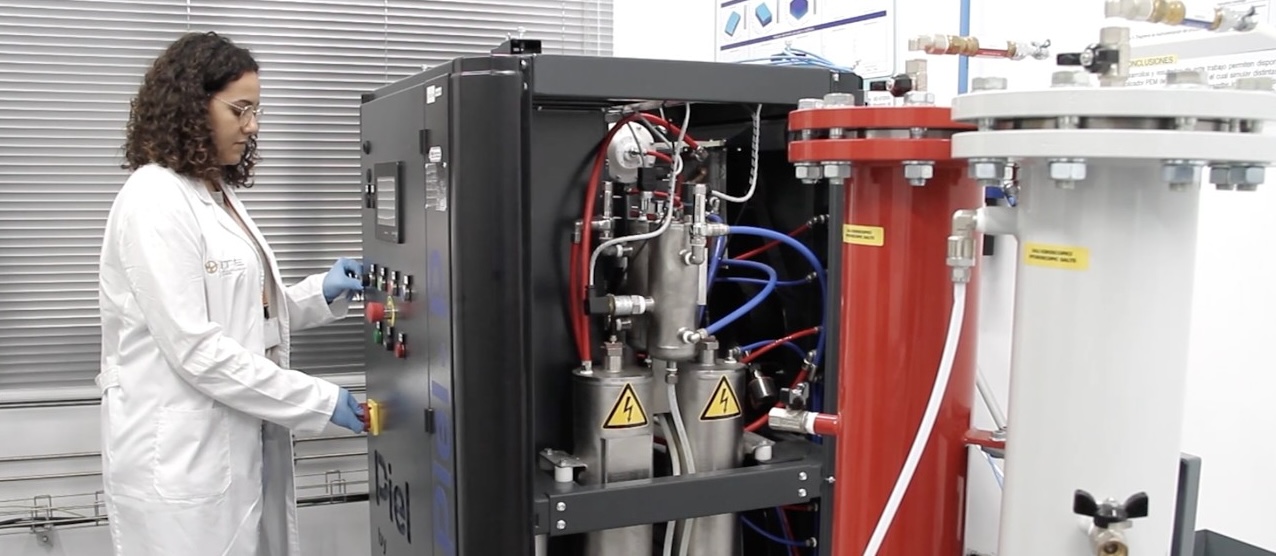
Renewable hydrogen is defined not by the colour of the molecule itself but by the source of the electricity used in its production. Electrolysis requires significant amounts of electrical energy to split water into hydrogen and oxygen. For every kilogram of hydrogen produced, modern electrolysers typically consume around 50–55 kWh of electricity, meaning that electricity costs dominate the economics of production.
This simple reality has profound implications. Wherever renewable electricity is cheapest and most abundant, renewable hydrogen is likely to become most competitive.
Solar photovoltaic generation increasingly meets those conditions.
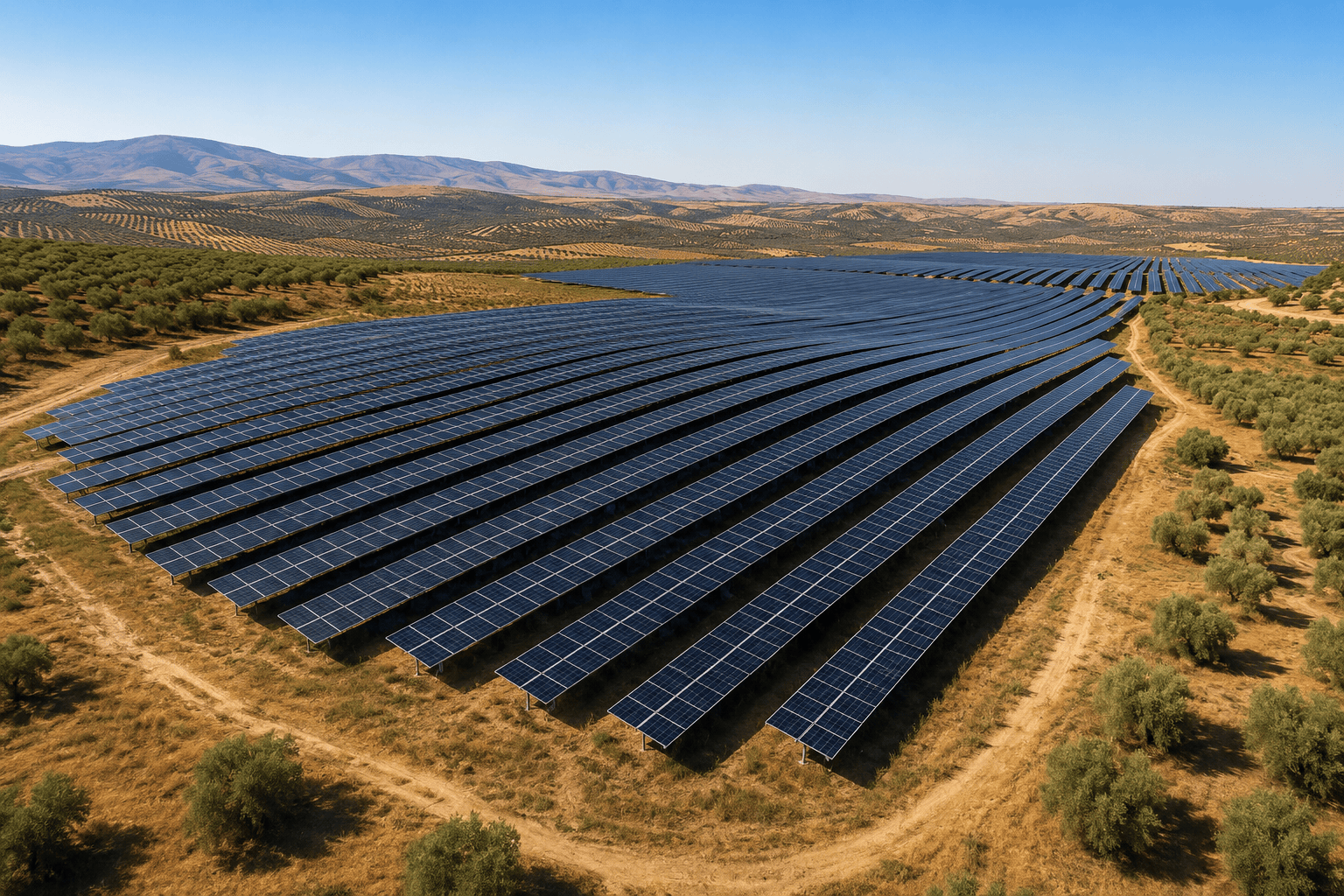
Over the past fifteen years, the cost of utility-scale solar has fallen dramatically, driven by improvements in cell efficiency, manufacturing scale and global supply chains. In regions with high solar irradiance, photovoltaic installations can now deliver electricity at prices unimaginable only a decade ago. This makes dedicated solar plants an increasingly attractive power source for electrolysers, particularly in countries with favourable climatic conditions.
Unlike conventional power stations, solar farms can also be oversized relative to the connected electrolyser. During periods of peak generation, excess electricity that might otherwise be curtailed can instead be diverted into hydrogen production. This flexibility changes the economics of both assets.
Rather than maximising electricity exports to the grid, developers increasingly seek to maximise hydrogen output while taking advantage of periods when electricity has little or even negative market value.
Negative Prices Are Changing the Business Case
One of the most significant yet underappreciated developments in European electricity markets is the growing frequency of negative wholesale power prices.
Countries including Germany, Spain, the Netherlands and parts of the Nordic region have experienced increasing numbers of hours during which electricity prices fall below zero. High renewable generation, combined with limited demand or constrained transmission capacity, creates temporary oversupply.
Historically, such events represented lost revenue for renewable generators.
Today they represent an opportunity.
Hydrogen production can effectively become a flexible demand source, consuming electricity precisely when prices collapse.
Instead of curtailing renewable generation, developers can convert excess power into hydrogen, which can later be stored, transported or converted into derivatives such as ammonia, methanol or sustainable aviation fuel.
In this way, electrolysers begin to perform a role traditionally associated with batteries—not by storing electricity directly but by converting it into chemical energy with long-duration storage potential.
Solar and Batteries: Partners Rather Than Competitors
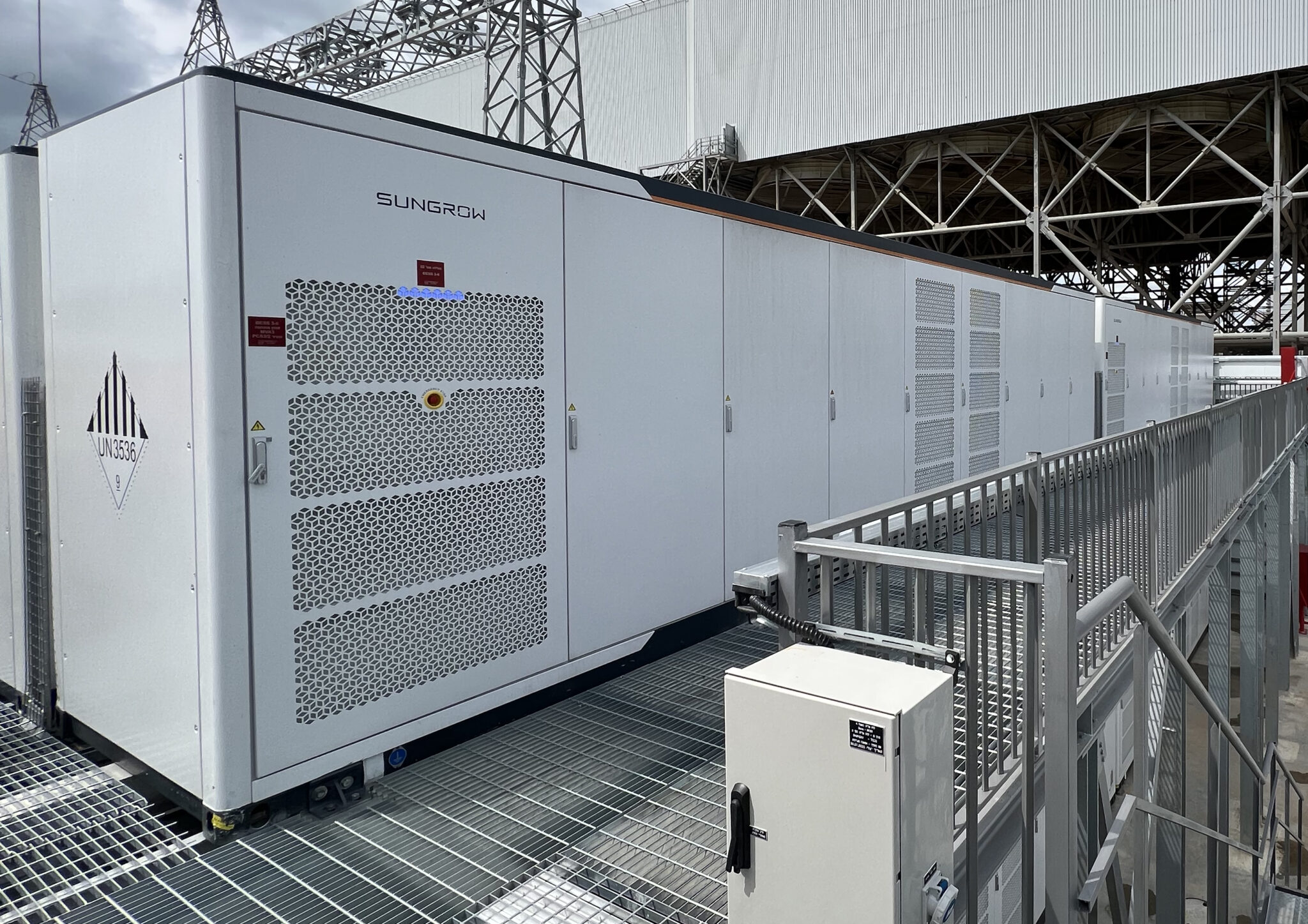
Battery energy storage systems are often portrayed as competitors to hydrogen. In reality, the technologies address different challenges within the energy system.
Lithium-ion batteries excel at balancing fluctuations over seconds, minutes and hours. They stabilise electricity networks, participate in ancillary service markets and optimise renewable generation throughout the day.
Hydrogen addresses a different problem.
Where batteries become prohibitively expensive for storing energy over weeks or months, hydrogen offers the possibility of seasonal storage. Renewable electricity generated during periods of surplus can be converted into hydrogen, stored in underground caverns or pressurised tanks, and used when renewable output falls.
This complementary relationship is increasingly influencing project design.
Large renewable developments are now being planned with three interconnected components:
- utility-scale solar generation
- battery energy storage
- electrolysis facilities
The battery smooths short-term fluctuations and improves power quality delivered to the electrolyser, while hydrogen production absorbs longer-duration surplus generation.
Rather than choosing between batteries and hydrogen, developers are increasingly integrating both.
Choosing the Right Electrolyser
The rapid expansion of renewable hydrogen has intensified competition between electrolyser technologies, each offering distinct advantages depending on operating conditions.
Alkaline Electrolysers
Alkaline electrolysers represent the most mature commercial technology. They have decades of operational experience, relatively low capital costs and proven reliability.
However, they respond more slowly to fluctuating power input, making them better suited to stable electricity supplies than rapidly changing solar output.
Proton Exchange Membrane (PEM)
PEM electrolysers have become increasingly popular for renewable-powered applications.
Their ability to ramp production rapidly makes them particularly compatible with intermittent solar and wind generation.
Although capital costs remain higher than alkaline systems, operational flexibility often compensates for the additional investment, particularly in markets characterised by variable electricity prices.
Solid Oxide Electrolysers (SOEC)
SOEC technology operates at significantly higher temperatures.
When integrated with industrial waste heat or concentrated solar thermal systems, these electrolysers can achieve higher efficiencies than conventional technologies.
Several demonstration projects across Europe are exploring their commercial potential, particularly for industrial applications requiring continuous hydrogen production.
Anion Exchange Membrane (AEM)
AEM technology is attracting increasing attention as a potential compromise between alkaline and PEM systems.
Although still in the early stages of commercial deployment, it promises lower material costs while retaining much of PEM’s operational flexibility.
If technical challenges are successfully overcome, AEM could become an important technology for large solar-powered hydrogen projects during the next decade.
Beyond Electricity: Building a Molecule Economy
Hydrogen’s importance extends far beyond electricity generation.
Global demand already exceeds 90 million tonnes annually, largely supplied through fossil-fuel-based production using natural gas and coal. The majority is consumed by oil refining, ammonia production and chemical manufacturing.
Replacing this existing fossil-derived hydrogen with renewable alternatives represents one of the largest decarbonisation opportunities available today.
Yet the market extends further.
Renewable hydrogen is expected to underpin future production of green steel, sustainable aviation fuels, low-carbon shipping fuels, synthetic chemicals and fertilisers. It also offers a pathway for decarbonising industrial processes that cannot easily be electrified.
For countries with abundant solar resources but relatively small domestic electricity demand, hydrogen provides another strategic opportunity.
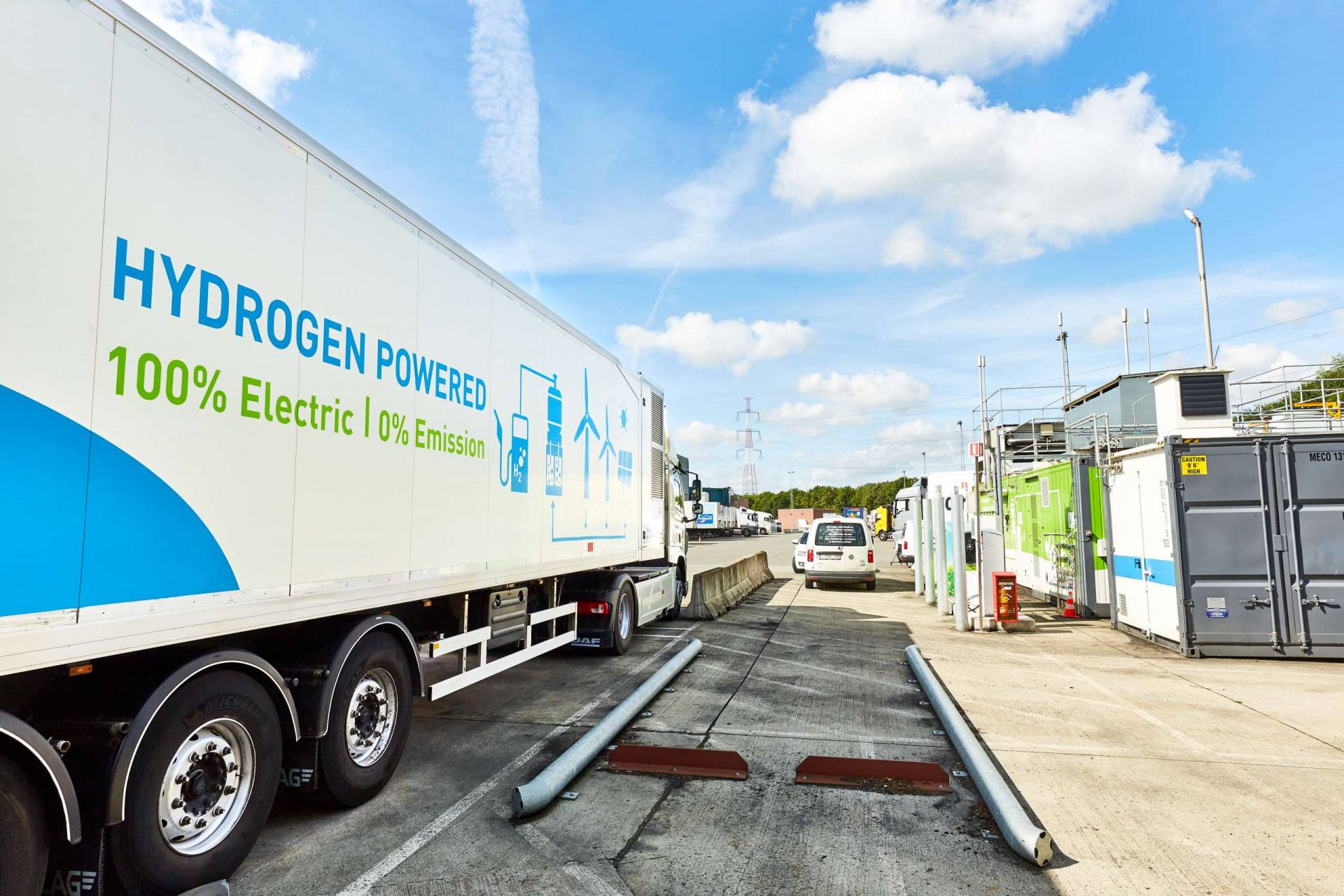
Rather than exporting electrons through expensive transmission infrastructure, nations may increasingly export molecules.
This prospect is reshaping energy geopolitics.
Countries traditionally dependent on fossil fuel exports—including several in the Middle East—are investing heavily in renewable hydrogen. At the same time, solar-rich nations such as Australia, Chile, Morocco, Namibia and Oman are positioning themselves as future exporters to Europe and Asia.
Europe’s Strategic Calculation
For Europe, renewable hydrogen represents both an industrial strategy and an energy security strategy.
The energy crisis that followed Russia’s invasion of Ukraine exposed the continent’s dependence on imported fossil fuels. Since then, policymakers have accelerated efforts to diversify energy supplies while strengthening domestic manufacturing.
Through initiatives including REPowerEU, the European Hydrogen Bank and Important Projects of Common European Interest (IPCEI), billions of euros are being directed towards renewable hydrogen production, infrastructure and industrial demand creation.
Solar power plays a central role in that strategy.
Southern Europe possesses some of the continent’s highest solar irradiation levels, allowing Spain, Portugal, Greece and southern Italy to produce renewable electricity at globally competitive prices. Combined with expanding transmission networks and planned hydrogen corridors, these countries are increasingly viewed as future renewable energy exporters—not only through electricity interconnectors but through hydrogen pipelines and ammonia terminals.
Meanwhile, northern European industrial hubs in Germany, the Netherlands and Belgium are preparing import infrastructure capable of receiving renewable hydrogen from around the world.
The result is the gradual emergence of an international hydrogen market, with solar energy providing much of the primary input.
By the end of this decade, the question may no longer be whether photovoltaic generation should produce electricity or hydrogen. Instead, developers will optimise between the two, responding dynamically to power prices, hydrogen demand and grid conditions.
For solar developers, the business model is evolving from selling electricity to managing energy. For industries seeking to decarbonise, renewable hydrogen offers a route that electricity alone cannot always provide.
And for the global energy transition, solar-to-hydrogen may prove to be one of the defining industrial transformations of the twenty-first century.
Part II will examine the world’s most significant solar-to-hydrogen projects—from Spain and Portugal to Saudi Arabia, Australia, China, Namibia and the United States—exploring how developers are turning multi-gigawatt solar parks into the foundations of a global hydrogen economy.