

Lithuania has taken a major step towards creating a dedicated hydrogen economy after the Government approved a draft Hydrogen Law and amendments to related legislation that will establish, for the first time, a comprehensive legal framework for the country’s hydrogen sector.
The move marks the transition of hydrogen from a strategic ambition into a regulated energy sector, with the government aiming to create conditions for investment in green hydrogen production, infrastructure development and industrial decarisation.
The legislative package is designed to establish the rules governing hydrogen production, transport, storage, supply and market participation, while providing a clearer framework for companies planning hydrogen projects in Lithuania.
Acting Minister of Energy Žygimantas Vaičiūnas said the legislation would provide the foundation for an entirely new energy sector.
“With this law, we are starting to create a completely new energy sector in Lithuania. The law will lay the foundations for a new energy sector, create conditions for the safe development of hydrogen infrastructure, promote the production of green hydrogen, decarbonisation of industry and the integration of Lithuania into the future European hydrogen market,” Vaičiūnas said.
He added that green hydrogen was no longer only a long-term vision, pointing to projects already being developed in Vilnius and Klaipėda as evidence that the market was beginning to emerge.
Creating the regulatory framework for hydrogen investment
Until now, hydrogen projects in Lithuania have operated without a dedicated hydrogen-specific legal framework. Developers have had to navigate existing energy, gas, environmental and industrial regulations that were not designed specifically for hydrogen technologies.
The new legislation aims to address this gap by defining the responsibilities of market participants and establishing rules for hydrogen infrastructure.
The proposed framework is expected to cover areas including:
- hydrogen production facilities;
- hydrogen transmission and distribution networks;
- storage infrastructure;
- market access and trading;
- safety requirements;
- connection procedures;
- regulatory oversight.
The government said the objective is to create a competitive, economically viable and reliable hydrogen market that can support the decarbonisation of Lithuania’s economy.
The legislation also aligns Lithuania with the European Union’s emerging hydrogen regulatory framework, including the updated EU gas and hydrogen market rules aimed at creating a common European hydrogen market.
Klaipėda emerges as a hydrogen hub
Lithuania’s hydrogen ambitions are closely linked to the development potential of Klaipėda, the country’s main industrial and maritime centre.
The Port of Klaipėda is expected to play a central role in future hydrogen infrastructure development, with opportunities for hydrogen production, import, storage and industrial use.
The port’s industrial ecosystem includes companies in sectors such as chemicals, fertilisers, logistics and manufacturing, where hydrogen could contribute to reducing emissions from hard-to-abate processes.
Klaipėda is also strategically positioned for integration into future Baltic hydrogen corridors, connecting Lithuania with neighbouring countries and wider European hydrogen markets.
Renewable power creates the basis for green hydrogen
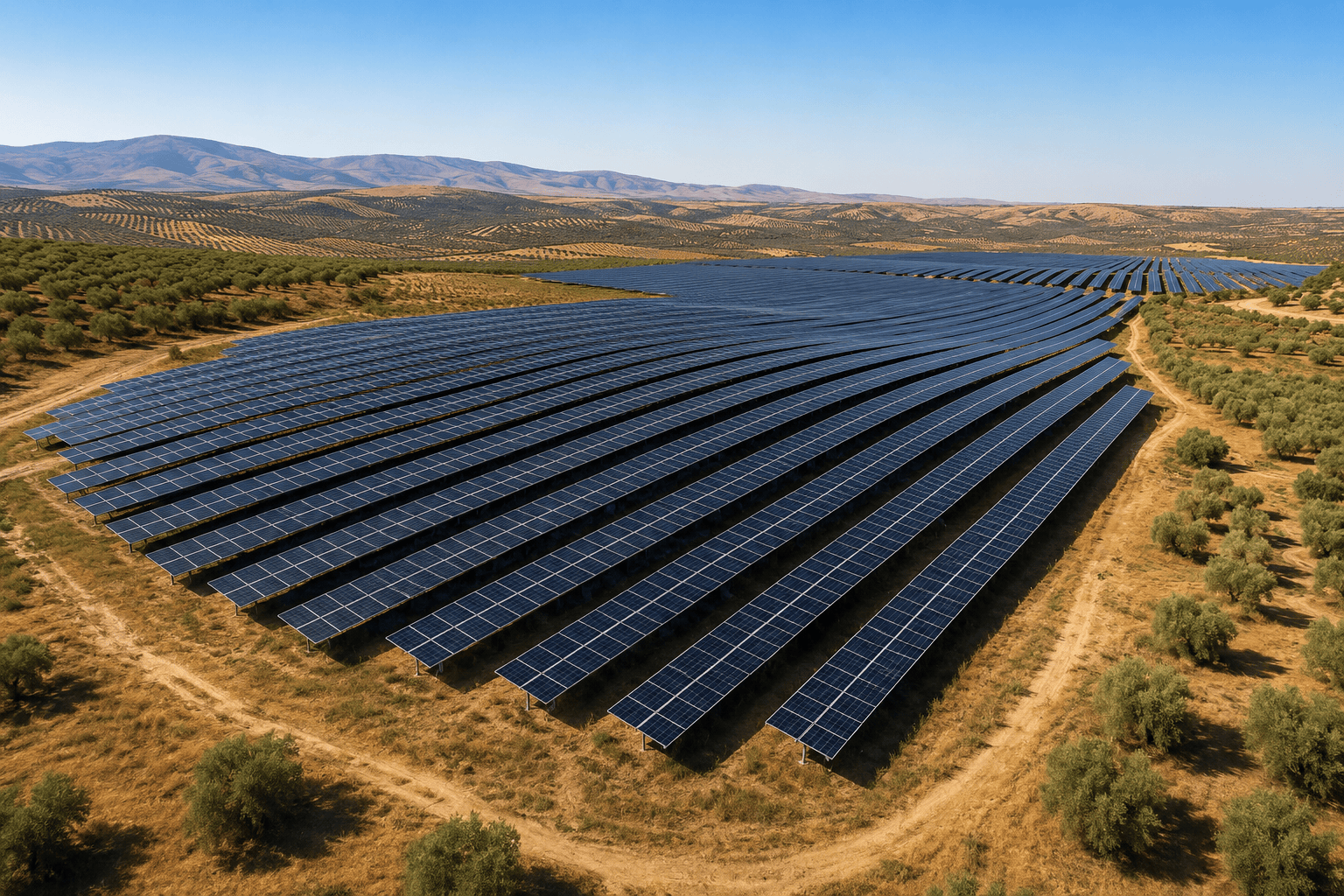
Lithuania’s hydrogen strategy is closely connected to the expansion of renewable energy, particularly offshore and onshore wind.
The country is rapidly increasing renewable electricity capacity as part of its objective to strengthen energy independence and move towards a climate-neutral energy system.
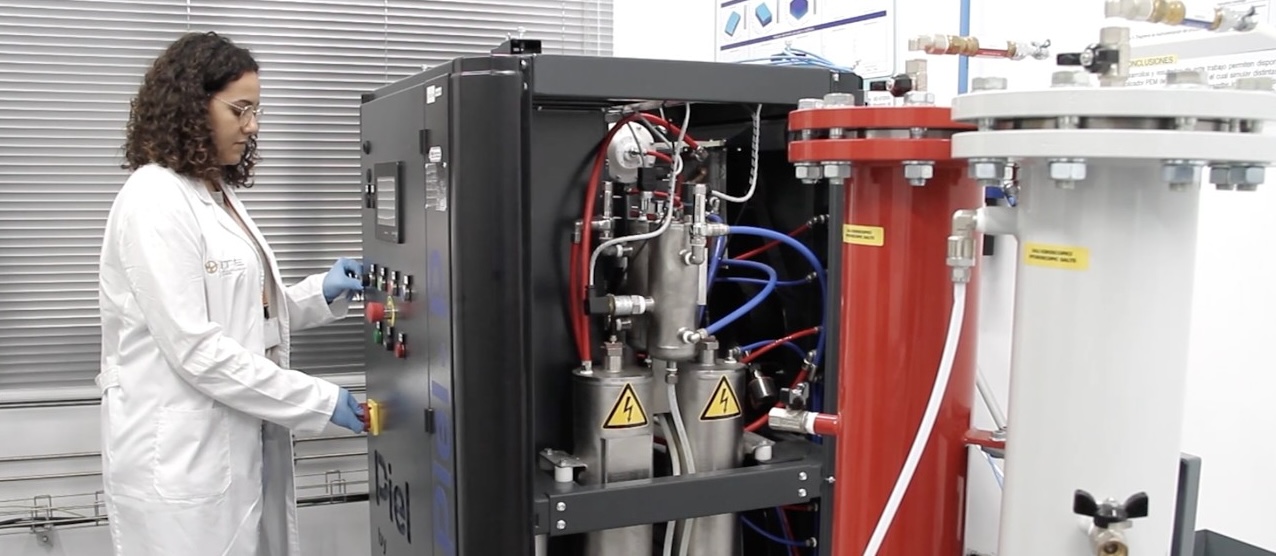
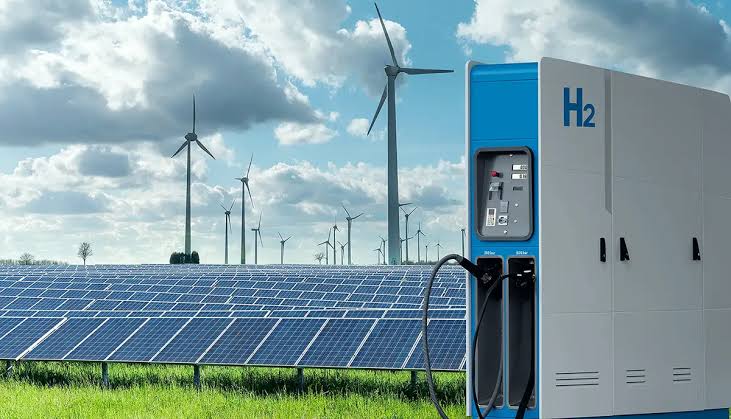
Green hydrogen produced through electrolysis using renewable electricity is expected to become one of the tools for balancing the power system while providing low-carbon energy for sectors where direct electrification is difficult.
Potential applications include:
- industrial feedstocks;
- renewable fuels;
- heavy transport;
- maritime applications;
- seasonal energy storage.
However, the development of a hydrogen market will depend on several factors, including access to competitive renewable electricity, infrastructure investment, long-term offtake agreements and alignment with European hydrogen certification systems.
From strategy to implementation
Lithuania adopted its national hydrogen development roadmap covering the period to 2050, identifying hydrogen as a potential pillar of industrial decarbonisation and energy system transformation.
The government’s latest legislative initiative represents the next stage of that strategy by moving from planning towards market creation.
Industry observers have highlighted that clear regulation is one of the key requirements for attracting private investment into hydrogen projects. Without defined rules on infrastructure ownership, network access and market operation, many large-scale projects remain difficult to finance.
The new law is therefore expected to provide greater certainty for developers, investors and industrial users considering hydrogen projects in Lithuania.
Part of Europe’s emerging hydrogen network
Lithuania’s hydrogen plans also form part of a wider European effort to establish cross-border hydrogen infrastructure.
The Baltic region is increasingly positioning itself as a future hydrogen corridor, with neighbouring countries developing their own strategies and infrastructure plans.
For Lithuania, the combination of growing renewable generation, industrial demand and access to the Baltic Sea creates the potential to become both a producer and a regional hub for green hydrogen.
The approval of the Hydrogen Law does not create the market overnight, but it provides one of the essential building blocks: a regulatory foundation that can allow projects, infrastructure and investment to develop.
As Europe moves from hydrogen strategies towards implementation, Lithuania is seeking to ensure it has the legal framework needed to participate in the emerging hydrogen economy.
EVENT ALERT: