Author: Derek Michalski, Editor.
“The world is moving quickly into the age of electricity.” With this observation, Fatih Birol, Executive Director of the International Energy Agency, captured one of the biggest changes taking place in the global economy.
Electricity is no longer simply an input that keeps factories, homes and businesses running. It is becoming a strategic industrial asset — influencing where companies invest, where industries are built and where future economic growth takes place.
For Europe, this creates both an opportunity and a challenge. The renewable energy debate has focused for years on how much capacity can be built, how quickly emissions can be reduced and how much clean electricity can be added to the system. Those goals remain essential. But the next question is increasingly clear:
Can Europe turn its renewable energy advantage into an industrial advantage?
The answer will depend not only on how much clean electricity Europe produces, but on how effectively that electricity can support industrial growth.
This shift is increasingly reflected in European policy. The European Union is moving towards a much more electrified energy system, with an indicative ambition to increase electricity’s share of final energy consumption from around 23% today to approximately 46% by 2040. The target signals a major strategic change: electricity will become a central driver of economic activity across transport, buildings and industry.
For industry, electrification is no longer only a climate objective. It is becoming a competitiveness strategy.
Electricity is becoming a location-specific industrial asset again
For many years, energy was an important but relatively invisible factor in industrial investment decisions. Companies focused mainly on markets, transport links, skills and supply chains. Reliable electricity was largely assumed.
That is changing.
As industry electrifies, electricity is moving back to the centre of investment decisions. Data centres, artificial intelligence infrastructure, battery manufacturing, hydrogen, chemicals and advanced manufacturing all require large volumes of reliable and affordable power.
For these industries, electricity is not simply an operating cost. It is becoming a reason to choose one location over another.
A renewable megawatt-hour does not have the same value everywhere. Its economic impact depends on whether it can reach industry, whether grids can support new demand, whether projects can connect quickly and whether companies can secure predictable energy costs.
The future geography of industry will increasingly follow the geography of electricity.
Europe’s challenge is therefore not only to build renewable capacity. It is to create an electricity system that converts clean power into industrial value.
Europe’s regions show different paths to industrial value
Spain demonstrates both the opportunity and the challenge. With some of Europe’s strongest solar resources and significant wind potential, Spain has become a leading location for renewable-powered industrial ambitions.
Green hydrogen illustrates this opportunity. Moeve’s Andalusian Green Hydrogen Valley aims to connect renewable generation, industrial demand and ports, while Iberdrola is investing in renewable-powered hydrogen and industrial decarbonisation projects. Fertiberia’s Puertollano facility demonstrates how renewable electricity can be directly linked to industrial production.
However, Spain also highlights the central challenge of electrification: renewable resources are not always located close to industrial demand. The value comes from connecting generation, grids, storage and industry.
Italy presents a different model. Its strength lies not only in renewable potential but in its industrial depth. Northern Italy remains one of Europe’s most important manufacturing regions, with advanced supply chains in machinery, automotive and chemicals. Companies such as Enel are investing in renewable generation, networks and energy transition technologies.
Italy’s challenge is linking renewable resources in the south with industrial demand in the north. Electrification will require infrastructure capable of connecting these strengths.
Poland demonstrates the importance of industrial capability. The country has become a major manufacturing location within European supply chains, particularly in batteries. LG Energy Solution’s investment in battery manufacturing shows how industrial skills, location and market access can attract strategic investment.
But future competitiveness will increasingly depend on access to affordable, lower-carbon electricity. Offshore wind development in the Baltic Sea offers an opportunity to connect renewable generation with industrial demand.
Greece shows how renewable energy can support a new investment proposition. Strong solar resources and growing renewable capacity create opportunities to develop clean-energy industries, while companies such as PPC Renewables and Terna Energy are expanding renewable projects. The challenge is moving from renewable generation to renewable-powered industry.
The Western Balkans highlight the importance of industrial integration. Renewable resources alone do not create economic value. Without stronger grids, investment conditions and industrial strategies, countries risk exporting electricity without capturing the wider industrial benefits.
Renewable energy becomes industrial capability
Northern Europe provides some of the strongest examples of renewable energy being converted into industrial advantage.
Denmark did not simply build offshore wind capacity; it created an industrial ecosystem around it. Companies such as Ørsted helped establish a global offshore wind industry supported by suppliers, engineering expertise and specialised skills.
The Netherlands demonstrates the importance of infrastructure. The Port of Rotterdam is positioning itself as a hydrogen and energy-transition hub, connecting offshore wind, hydrogen production and industrial demand. Companies including Shell are involved in hydrogen and lower-carbon energy projects, while Tata Steel in IJmuiden is exploring pathways to reduce emissions through electrification and hydrogen.
The United Kingdom has developed one of Europe’s largest offshore wind markets. Projects such as Dogger Bank, involving SSE Renewables and Equinor, demonstrate the scale of the opportunity. The challenge is ensuring that renewable generation creates wider industrial value through supply chains, manufacturing and electricity-intensive industries.
Lithuania shows how smaller economies can use energy transformation to strengthen competitiveness. Through renewable investment, grid integration and energy security measures, companies such as Ignitis Group are helping position the country within Europe’s evolving energy system.
Across these examples, the lesson is consistent: renewable electricity creates the greatest value when it is connected to productive activity.
The grid becomes the new industrial infrastructure
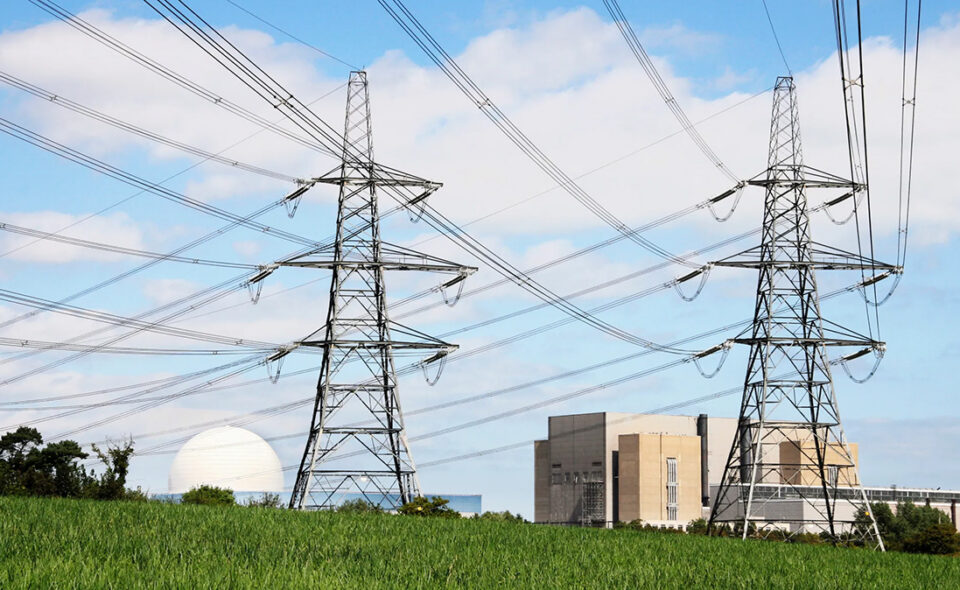
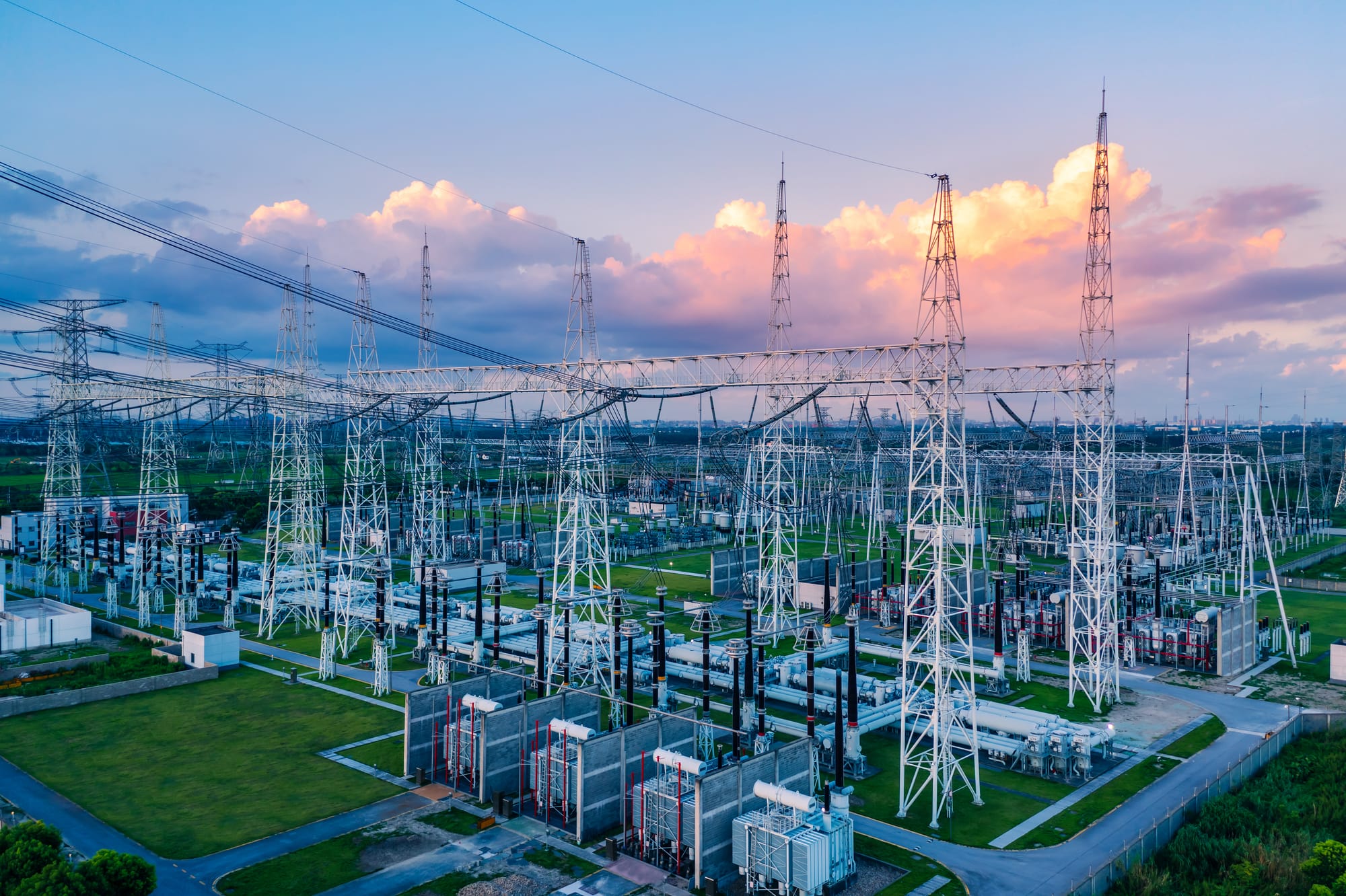
The central challenge of electrification is not simply producing more electricity. It is delivering electricity where industry needs it.
Europe’s electrification pathway will require major investment in transmission networks, distribution systems, storage and flexibility. Renewable generation, industrial demand and infrastructure must develop together.
In previous industrial eras, ports, roads and railways shaped economic geography.
In the electrified economy, electricity networks will increasingly play the same role.
What Europe must do now
If Europe wants to convert renewable leadership into industrial competitiveness, priorities must shift from generation alone to the wider electricity ecosystem.
First, Europe must accelerate grid development. Renewable capacity is expanding faster than network infrastructure in many regions. The ability to connect supply with industrial demand will determine where investment flows.
Second, Europe must improve electricity competitiveness. Companies need confidence in long-term energy costs when making major industrial investments.
Third, renewable energy development must be linked with industrial strategy. The most successful regions will create energy-industrial clusters where generation, infrastructure and demand grow together.
Europe does not need to choose between decarbonisation and competitiveness. Clean electricity can become the foundation of a new industrial advantage — but only if it is treated as a strategic economic asset.
Electricity is becoming a location-specific industrial asset again. This changes yet another aspect: the next industrial leaders will not be those that produce renewable energy. They will be those that know how to use it to build the industries of the future.