In recent years, the European Union has made decisive progress toward ending its dependence on Russian energy. On 6 May 2025, the European Commission unveiled a comprehensive roadmap outlining plans to completely phase out Russian gas, oil, and nuclear imports while safeguarding energy supply stability. This was followed by a formal proposal on 17 June 2025 to prohibit new Russian gas contracts from 1 January 2026, end short-term contracts by mid-2026, and terminate all long-term contracts by 1 January 2028. The shift marks a dramatic transformation from the pre-war period, when Russia supplied about 45% of the EU’s natural gas imports. By 2024, that share had dropped to around 19%, while Russian crude oil imports declined from 27% in 2021 to roughly 3% in 2024—signaling Europe’s accelerating move toward energy independence and diversification.
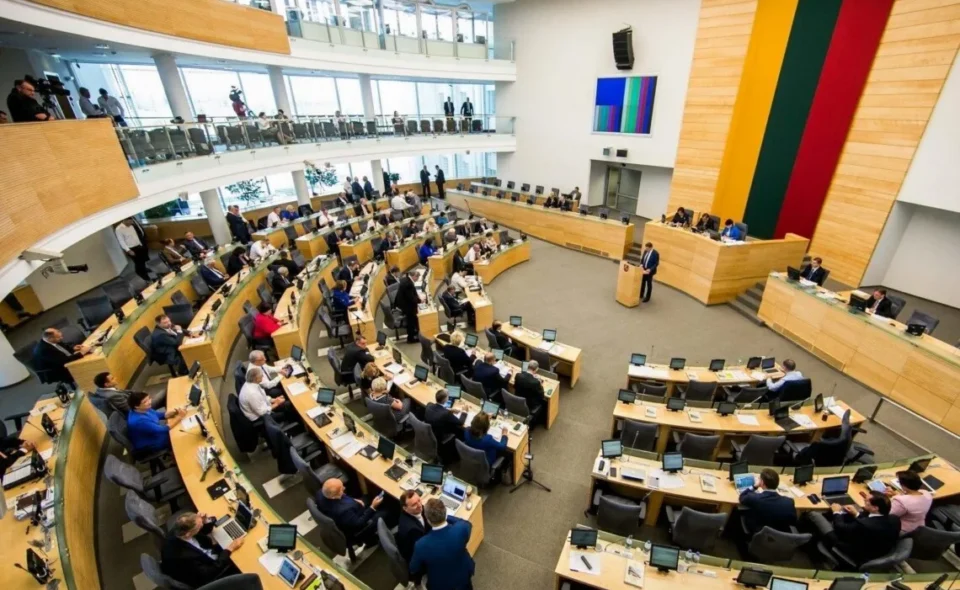
A few days ago, on 20 October, Lithuanian Minister of Energy Žygimantas Vaičiūnas, along with high-level representatives all EU countries, participated in the meeting of the Transport, Telecommunications and Energy (TTE) Council in Luxembourg. During the session, EU energy ministers agreed on a general approach to the REPowerEU Regulation, which seeks to completely phase out Russian gas imports by 2028. The Council also held discussions on energy security and resilience in Ukraine and Moldova, their strategic integration into the EU energy market, and measures to promote electrification across the Union.
Under the newly proposed REPowerEU regulation, all remaining imports of Russian gas—both pipeline and liquefied natural gas (LNG)—will be banned from 1 January 2028. From June 2026, no Russian gas will be allowed under short-term contracts. The regulation is a key component of the REPowerEU plan, first introduced by the European Commission in May 2025, and includes measures to improve the monitoring and traceability of Russian gas while helping Member States manage the transition and ensure energy security.
“The Council has decided to turn off the Russian tap once and for all. Today marks another historic step for Europe. A permanent ban on gas imports will stop financing Russia’s war machine, strengthen Europe’s resilience, and prevent future manipulation of energy supplies and prices,” said Minister Vaičiūnas.
“We cannot afford to slow down or lower our ambitions. On the contrary, we expect that the European Parliament will further strengthen the regulation in the next stage of negotiations. The rapid expansion of renewable energy across Europe is already helping to replace Russian fossil fuels and driving our transition to a safer, more sustainable, and independent energy system.”
The Council also addressed energy security and resilience in Ukraine and Moldova and their deeper integration into the EU energy market. Lithuania reaffirmed its strong support for both countries’ efforts to strengthen energy independence and expand cooperation with the EU, emphasising the importance of long-term support for Ukraine.
“First of all, we strongly condemn Russia’s attacks on Ukraine’s energy infrastructure. Lithuania has supported—and will continue to support—Ukraine in every possible way,” Minister Vaičiūnas said.
“In the long term, sharing best practices between EU Member States, Ukraine, and Moldova is essential. Ukraine, in particular, can contribute valuable insights on protecting critical energy infrastructure based on its direct experience. The accession of Ukraine and Moldova to the EU by 2030 is a strategic goal and an investment in lasting peace and security in Europe.”
On the sidelines of the Council meeting, Minister Vaičiūnas met with German Economy and Energy Minister Katherina Reiche and attended a session of the EU ‘Friends of Renewables’ group. Later, he is scheduled to meet with Polish Energy Minister Miłosz Motyka to discuss bilateral energy cooperation, as well as with Danish Minister for Climate, Energy and Utilities Lars Aagaard and Ukrainian Deputy Minister of Energy for European Integration Olha Yukhymchuk.
Regulation Impact on European Renewable Energy Sector
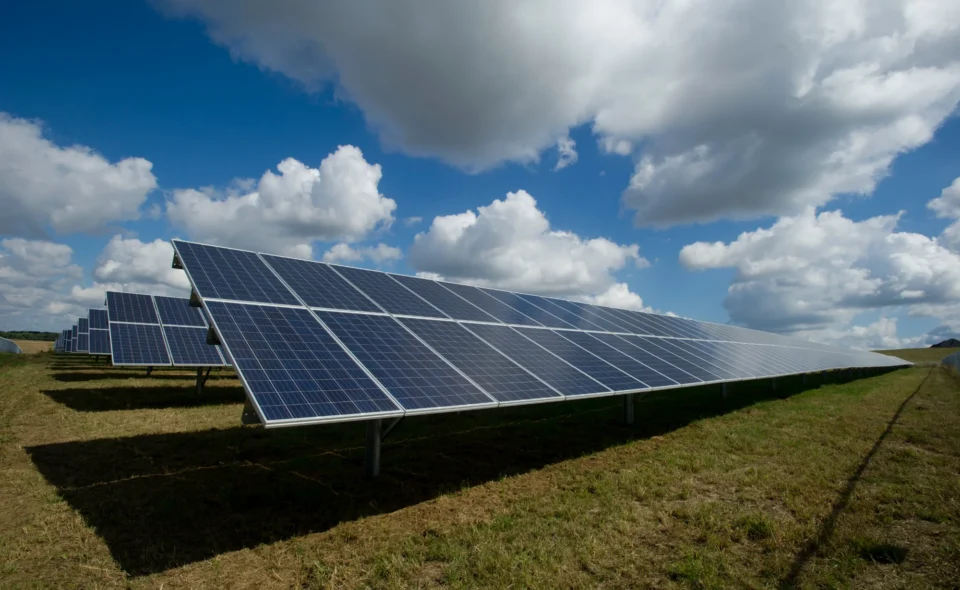
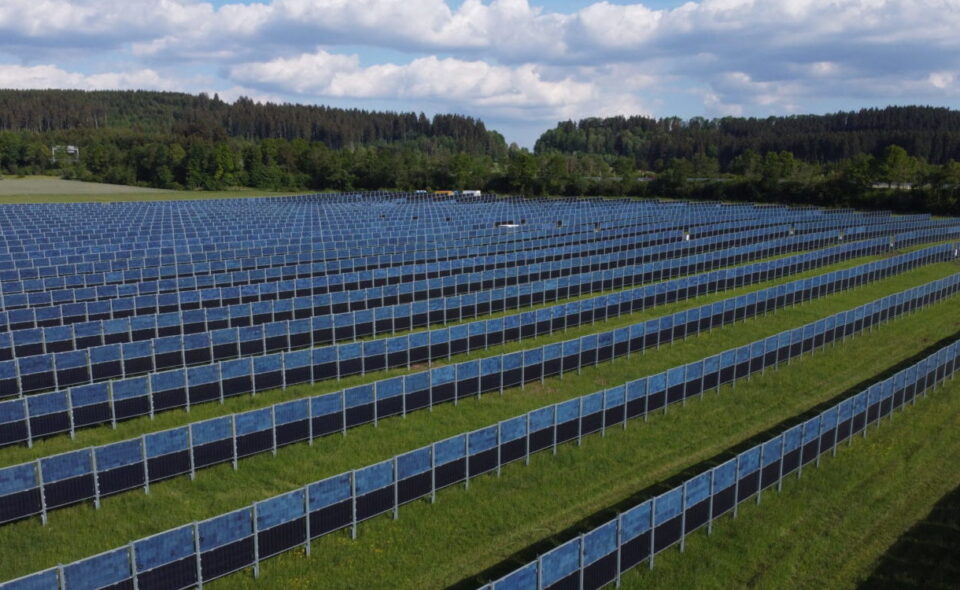
Phasing out Russian gas has become a defining moment for Europe’s energy transition, significantly accelerating the shift toward renewable energy sources. In response to the geopolitical and supply crises triggered by Russia’s invasion of Ukraine, the European Union launched the REPowerEU plan, which aims to completely eliminate Russian fossil fuel imports by 2028. This policy has driven an unprecedented expansion of renewable energy projects across the continent, with solar, wind, and biomass capacities growing rapidly as countries seek to replace gas imports with locally produced, clean energy.
The push to end reliance on Russian gas has also strengthened Europe’s energy independence and security. Renewables are no longer seen solely as tools for decarbonization but as strategic assets that reduce vulnerability to external pressures and market shocks. By generating energy domestically, EU Member States are decreasing their exposure to price volatility and political manipulation. Major infrastructure initiatives, such as offshore wind expansion in the North Sea and enhanced interconnections across the Baltics and Central Europe, are now central to Europe’s long-term energy security strategy.
Massive public and private investment has followed this policy shift. The EU has allocated around €300 billion under REPowerEU, much of it directed toward renewable generation, green hydrogen, energy storage, and modern grid infrastructure. Member States are streamlining permitting for renewable projects and encouraging private capital flows into clean energy technologies. This surge in investment is not only helping Europe diversify its energy mix but also creating new industrial opportunities and jobs in the clean technology sector.
At the same time, the rapid transition away from Russian gas has exposed short-term challenges. Energy prices spiked in 2022–2023 due to reduced gas supplies and infrastructure bottlenecks, while the speed of renewable deployment has highlighted the need for stronger grid systems and local supply chains for critical materials. To address these challenges, the EU is promoting domestic clean tech production through initiatives like the Net-Zero Industry Act and investing in innovation to improve storage capacity, grid flexibility, and energy efficiency.
Ultimately, phasing out Russian gas has accelerated Europe’s transformation into a more resilient and sustainable energy system. By reducing dependence on imported fossil fuels, the EU is not only cutting financial ties to Russia’s war economy but also advancing its climate neutrality goals under the European Green Deal. The policy marks a decisive step toward a cleaner, more secure, and independent energy future—one where renewables form the backbone of Europe’s economic and geopolitical stability.