


Weekly round-up of the latest developments in Greece’s energy sector, based on research by The Voice of Renewables. From policy updates and major investments to the challenges facing industry players, it highlights the key stories shaping the country’s drive towards a cleaner and more resilient energy future.
Diplomatic Tensions Test the Great Sea Interconnector
Greece’s renewable energy transition gained renewed urgency in September and October 2025 as the government faced mounting diplomatic and economic pressures. Central to regional debate is the Great Sea Interconnector (GSI) — a flagship subsea cable linking Greece and Cyprus — which has recently stirred tensions over project financing and regulatory oversight.
In early October, Cypriot President Nikos Christodoulides moved to de-escalate the situation after reports emerged that Greece’s grid operator ADMIE had contested a Cypriot regulator’s decision to recover €82 million in GSI costs, including €25 million allocated for 2025. Christodoulides firmly denied accusations of financial coercion, reaffirming that Athens–Nicosia relations remain “stronger than ever.” Greek officials later confirmed that discussions were under way to resolve differences through formal institutional dialogue rather than public exchanges.

Greece Insists on Viability Before Proceeding
Greek Energy Minister Stavros Papastavrou reiterated that the GSI project will move forward only once its technical and financial viability is fully demonstrated. He emphasised that “Greece acts through institutions, not through pressure,” underscoring a commitment to procedural transparency. ADMIE subsequently clarified that the disputed amount forms part of a €1.9 billion project budget, amortised over 35 years, consistent with EU financial regulations. The episode reflects the intricate diplomacy surrounding cross-border energy cooperation, where national budgets, regulatory authority, and shared sustainability goals must all align.
Environmental Rulings Reshape Wind Energy Development
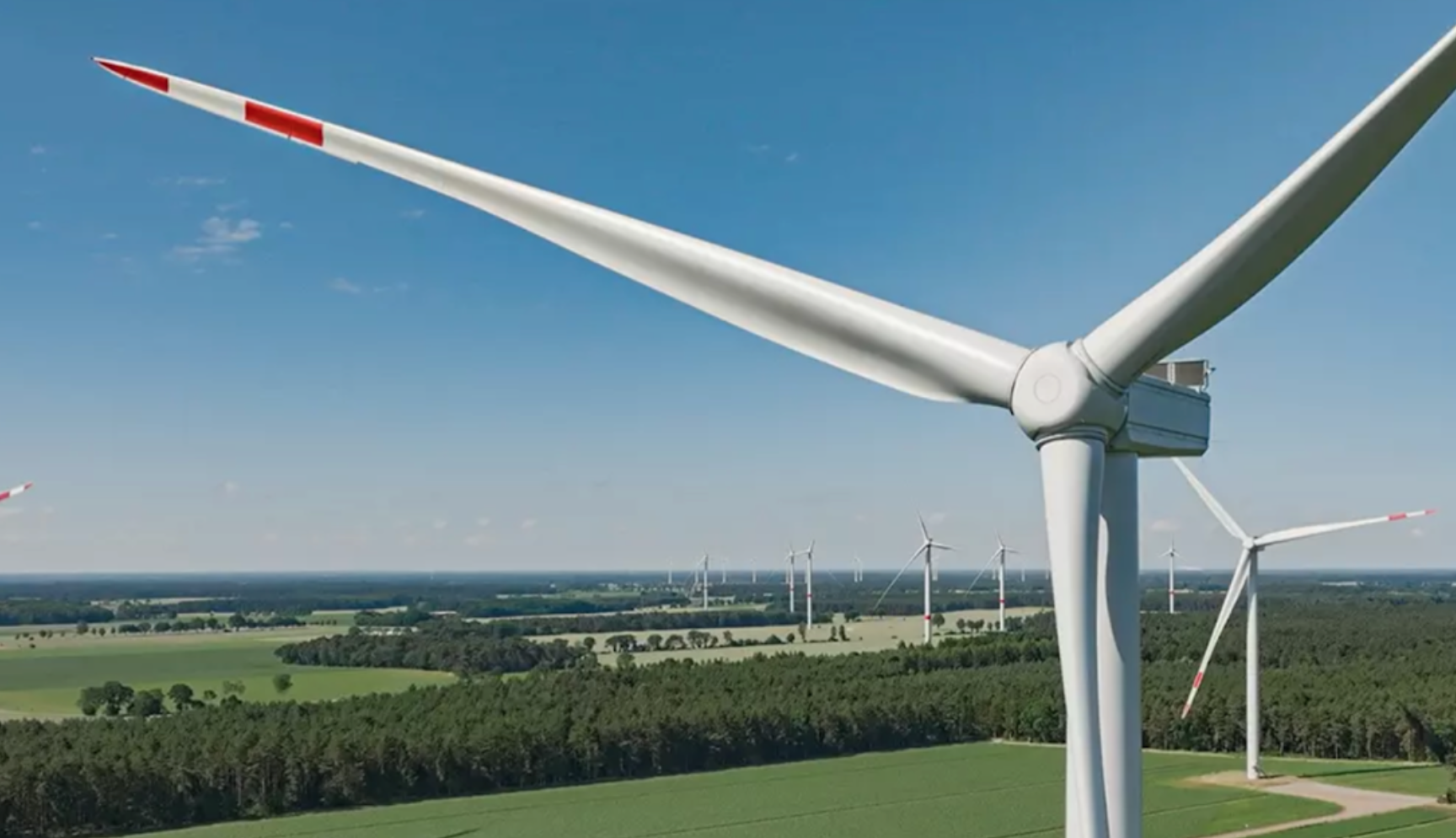
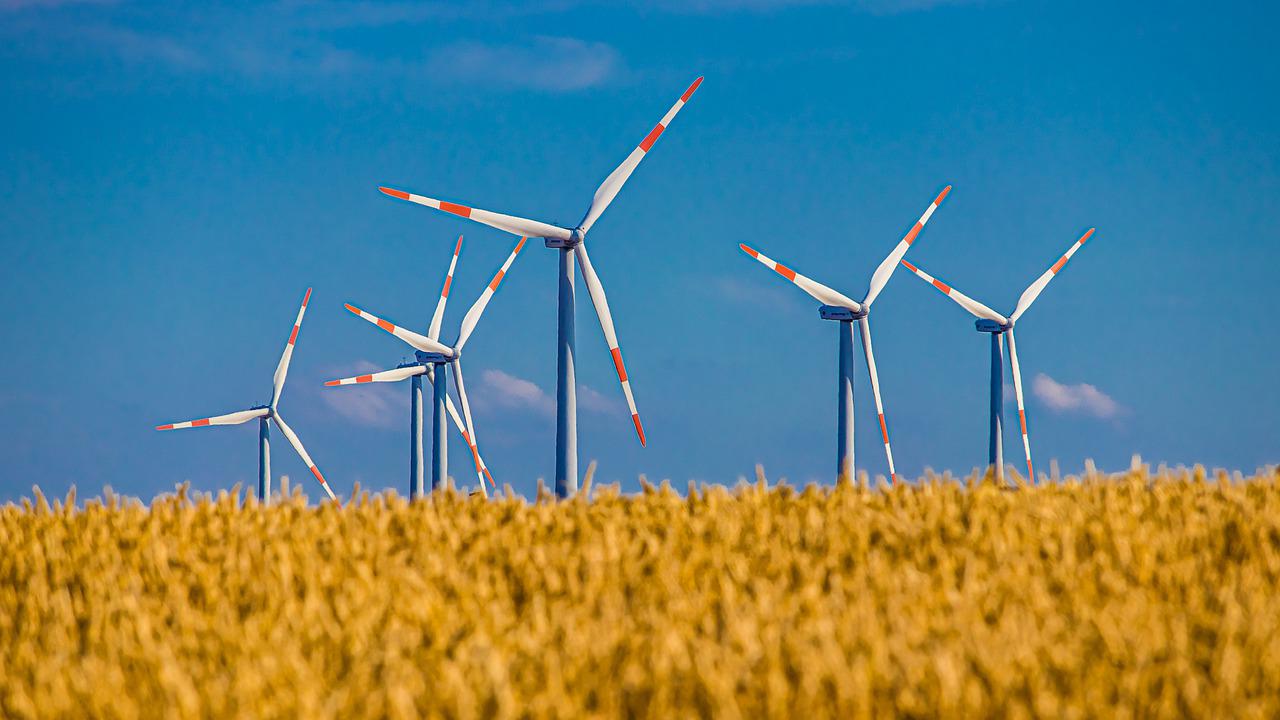
On the domestic front, Greece’s renewable energy expansion continues but not without obstacles. The Council of State, the country’s top administrative court, recently upheld environmental protections limiting wind-farm development near ecologically sensitive areas. While welcomed by conservation groups, the ruling complicates project timelines and site selection for developers. Energy-intensive industries, meanwhile, warn that soaring electricity costs — now reaching up to 60% of operational expenses in some cases — threaten industrial output and investment competitiveness.
Mitsotakis to Unveil Industrial Energy Support Plan
To address these concerns, Prime Minister Kyriakos Mitsotakis is set to announce a new industrial energy support plan aimed at easing high power costs and fostering clean-energy investment. The scheme, modelled on an Italian framework already endorsed by the European Commission, will be unveiled at the General Assembly of the Hellenic Federation of Enterprises (SEV).
According to government sources, the initiative will be funded at approximately €200 million per year, covering 40–50% of eligible energy consumption. Though less than SEV’s original €285 million proposal, the programme is designed to balance fiscal responsibility with industrial support. Its innovative “energy loan” structure — repaid through Contracts for Difference (CfD) — encourages companies to invest in renewables, including photovoltaics, wind, and battery storage projects.
Approval Delays Threaten Battery Storage Rollout
Despite new incentives, concerns over battery project approval delays have grown among investors. Industry participants warn that the Ministry of Environment and Energy’s process for granting connection terms to standalone storage projects could face significant setbacks. The absence of a cap on total application capacity — despite a 250 MW ownership limit per company — is expected to create a surge in submissions, prolonging evaluations and increasing the risk of disputes.
Analysts fear that drawn-out procedures and possible appeals could undermine profitability as market “cannibalisation” erodes returns. Although the revised Ministerial Decision has clarified some criteria, remaining ambiguities may invite creative interpretations from investors eager to improve rankings, adding further complexity to the review process.
Energy analysts emphasise that Greece’s success now depends on the rapid rollout of grid-scale energy storage and infrastructure upgrades. Without sufficient battery and pumped-hydro capacity, much of the nation’s renewable generation potential risks going unused. Already, nearly 1 terawatt-hour (TWh) of clean energy was curtailed in the first half of 2025 due to limited storage and grid bottlenecks. Projects such as the Crete–mainland interconnector and the national storage tender are therefore pivotal to integrating Greece’s growing solar and wind output.v
Stable Power Tariffs Offer Relief to Consumers
In contrast to industrial uncertainty, household energy consumers received positive news this autumn. Despite a 27% rise in wholesale electricity prices in September, suppliers such as PPC and Protergia absorbed much of the cost to keep retail tariffs stable throughout October. Smaller providers introduced minor price adjustments, but overall rates remained steady. The Energy Ministry hailed the stability as proof that market competition and consumer protection can coexist, preventing inflationary pressure and maintaining public trust in Greece’s energy transition.
Balancing Green Ambition and Fiscal Discipline
The forthcoming industrial support plan demonstrates Greece’s intent to combine fiscal prudence with green growth. By extending the scheme beyond photovoltaics to include wind and storage projects, the government aims to create a more resilient energy mix while adhering to EU state-aid rules. Maintaining this balance — between economic realism and environmental leadership — will determine whether Greece can sustain investor confidence through the next phase of its clean-energy transformation.
EVENT ALERT: