


October 2025 was a dynamic month for Greece’s energy transition, marked by a wave of announcements and milestones across solar, wind, hydrogen, energy storage and grid development. The country continued to position itself as a key player in the region’s decarbonisation and energy security agenda, with both public and private sectors accelerating investment in low-carbon infrastructure.
In energy storage, significant progress was made as PPC Group began construction of a 50 MW / 200 MWh battery energy storage system in Amyntaio, one of the largest such facilities under development in Greece. The project forms part of PPC’s strategy to reinforce grid stability and manage increasing renewable penetration. Around the same time, Metlen and Karatzis Group announced a strategic partnership to develop the country’s largest standalone energy storage installation, signalling that private developers are equally committed to unlocking the potential of large-scale batteries. Together, these developments highlight Greece’s transition from policy planning to tangible implementation in the storage sector.
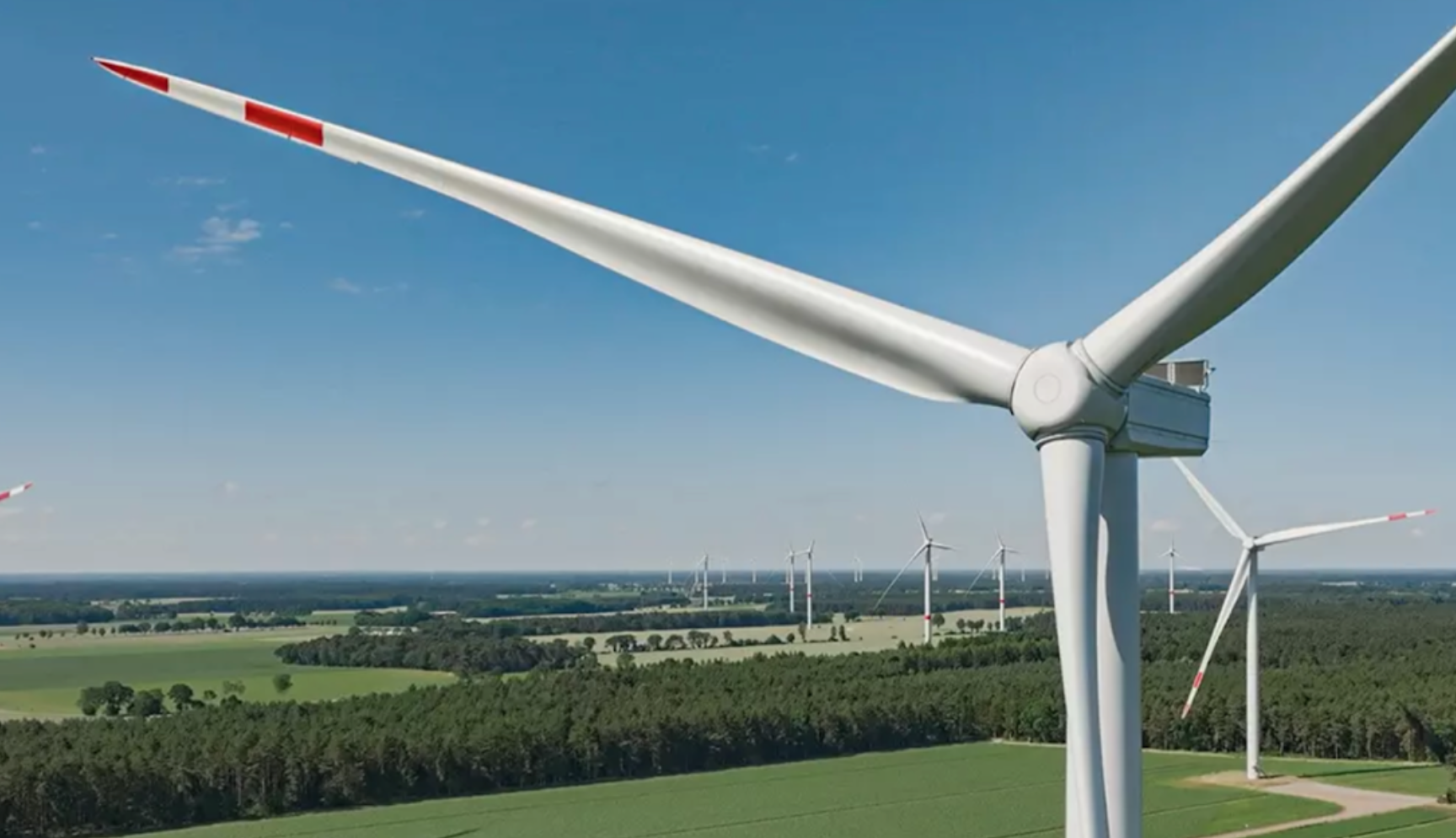
Wind energy also saw encouraging movement, though with continued calls for policy reform. The European Investment Bank confirmed green financing for an Iberdrola wind project in central Greece, reaffirming strong institutional backing for renewables. However, industry groups such as WindEurope used the month to urge the government to accelerate licensing procedures and revive regular auction schedules, warning that permitting bottlenecks and regulatory uncertainty could slow deployment despite investor appetite.
Solar energy maintained its momentum through new corporate procurement deals and developer activity. Several multinational companies announced plans to source power from Greek solar farms as part of broader European clean energy portfolios. These corporate power purchase agreements are becoming a key pillar of Greece’s renewables financing model, providing predictable revenue streams in a market where grid congestion and administrative delays still pose challenges.
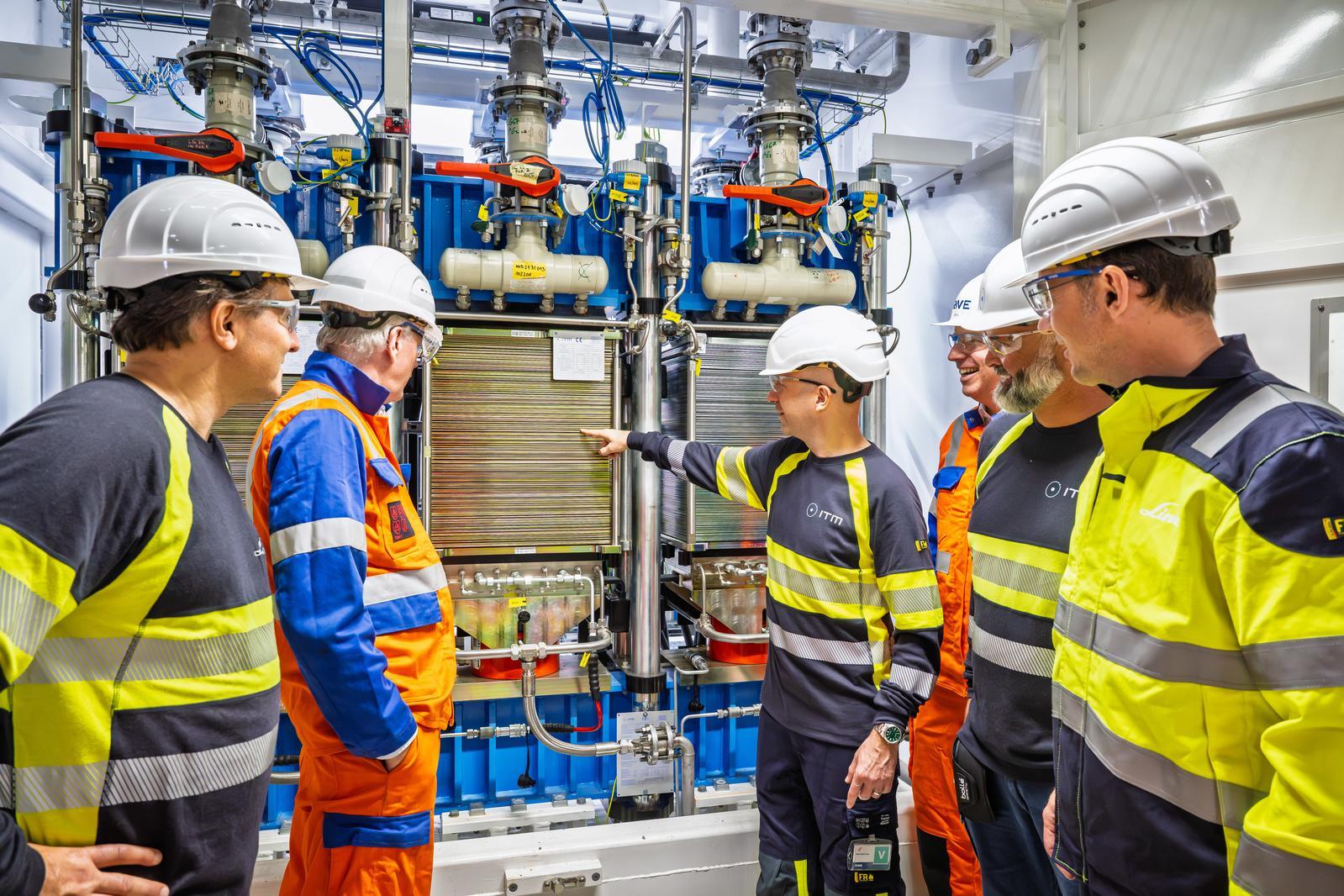
Momentum also gathered in the hydrogen space. Policymakers and industry leaders reiterated Greece’s ambition to become a regional hub for green hydrogen production and distribution, building on the national hydrogen framework adopted earlier in 2025. The framework introduced certification standards and streamlined licensing, setting the groundwork for commercial projects aimed at supplying both domestic industry and export markets. While the infrastructure and financing for large-scale projects are still being developed, the direction of policy remains clear and ambitious.
Grid development and system integration remained central to the national conversation. The transmission network continues to struggle with congestion and long connection queues, limiting how quickly new renewable capacity can come online. Government plans to prioritise standalone and merchant storage projects were reaffirmed in October as part of efforts to ease curtailment pressures and improve overall system flexibility.
Financing conditions remained favourable, supported by continued engagement from the European Investment Bank and international investors. Access to low-cost green finance has been critical for keeping Greece’s renewable pipeline active, particularly in wind and solar. Corporate capital also played an expanding role, with large technology and industrial firms entering long-term offtake agreements that de-risk project revenues.
Looking ahead, the near-term focus for the final months of 2025 is expected to remain on the commissioning of storage projects and the advancement of wind and solar investments supported by multilateral funding. Over the medium term, progress will depend heavily on the speed of permitting reforms, the introduction of fresh market signals such as capacity auctions, and the rollout of grid reinforcements. If these elements align, Greece will be well placed to convert its impressive renewable potential into a foundation for green hydrogen production and regional energy exports.
Overall, October’s developments reinforced a consistent message: Greece’s clean energy transition is moving from aspiration to execution. The mix of utility-led investments, private partnerships, and institutional financing points to a maturing market. The key challenge now lies in ensuring that regulation and infrastructure evolve quickly enough to sustain the pace of change.