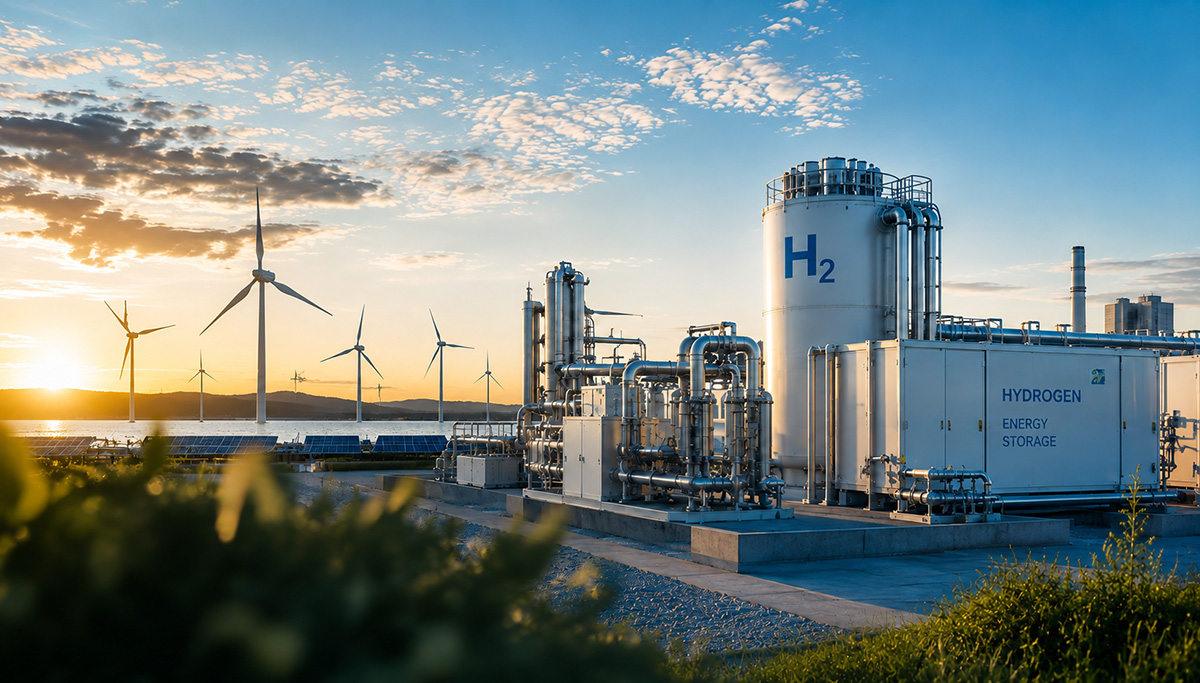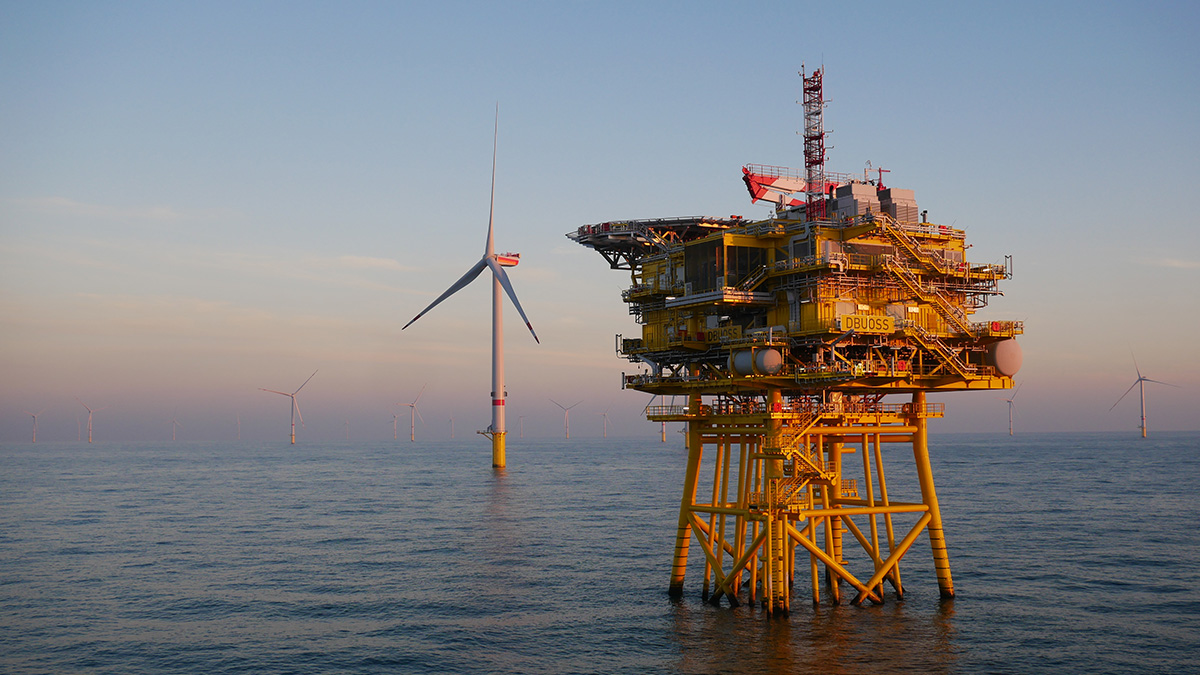




Europe’s energy sector is undergoing an unprecedented digital transformation. Smart grids, renewable integration, and decentralised energy markets are redefining how electricity is generated, distributed and traded. This evolution improves operational efficiency and customer service but also introduces new cybersecurity challenges. Ensuring the integrity of operational data—from smart meters, SCADA systems and IoT devices—has become essential for both resilience and regulatory compliance.
Cryptographic techniques such as hash functions and Merkle trees are increasingly being adopted by Europe’s leading energy utilities, Transmission System Operators (TSOs), and Distribution System Operators (DSOs). These tools help detect tampering, verify data authenticity, and maintain trust in digital energy systems that now span national borders.
Hash Functions: The Foundation of Data Integrity
A hash function converts input data of any size into a fixed-length output known as a hash or digest. The process is deterministic, irreversible and collision-resistant—making it ideal for validating the authenticity of operational data.
European utilities apply hashing across multiple domains:
- Iberdrola (Spain) hashes smart meter readings before transmission to ensure that any alteration, even a single bit, changes the resulting hash, signalling potential tampering. This guarantees accurate billing and transparent smart grid operations.
- EDF Energy (France and UK) applies hashing to SCADA and operational logs, producing tamper-evident records that can be independently audited, supporting compliance with the EU’s NIS2 Directive and UK cybersecurity frameworks.
- RWE (Germany) uses similar cryptographic checks within its digitalised generation assets to ensure data consistency across wind, solar and conventional units.
- Ignitis Group (Lithuania) has adopted hashing mechanisms in its distribution network management to safeguard data exchanged between smart grid control systems and customer interfaces.
Hashing also underpins authentication: utilities store hashed passwords and device credentials, ensuring that even if systems are compromised, sensitive information remains protected.
Merkle Trees: Scalable Verification Across Smart Grids
While hash functions secure individual data items, Merkle trees provide a means to efficiently verify the integrity of entire datasets. In a Merkle tree, leaf nodes represent hashed data blocks, while parent nodes are hashes of their children, culminating in a single Merkle root that summarises the integrity of all underlying data.
This technique is particularly valuable in large-scale grid environments where millions of data points are collected daily:
- Vattenfall (Sweden) uses Merkle trees to verify integrity across vast smart meter datasets, enabling the validation of millions of records by checking only the Merkle root.
- Enel X (Italy) employs Merkle trees in its blockchain-based energy trading and renewable certificate platforms, ensuring that every energy transaction remains tamper-proof and verifiable.
- Fingrid (Finland) integrates Merkle-based structures in digital substations and grid data hubs to support transparent auditing and cross-border data exchange with Nordic TSOs.
- TenneT (Netherlands/Germany) and Terna (Italy) are exploring cryptographic verification frameworks for cross-border interconnectors and grid event logs, ensuring trusted data exchange between national systems.
Merkle trees dramatically reduce computational burden, providing a scalable integrity mechanism critical for next-generation digital grid infrastructure.
Cryptography in Action: How Leading Utilities Apply It
Iberdrola — Protecting Smart Meter Data
As one of Europe’s largest integrated utilities, Iberdrola has deployed millions of smart meters. Each reading is hashed prior to transmission, ensuring any alteration is immediately evident. This safeguards customer trust and supports auditing under EU data governance standards.
EDF Energy — Securing SCADA and Operational Logs
EDF’s digital operations across nuclear and renewable plants generate extensive SCADA data. By hashing log files, EDF creates immutable operational records that auditors can verify without fear of data manipulation—bolstering transparency in critical infrastructure.
Vattenfall — Efficient Data Integrity with Merkle Trees
Vattenfall’s integration of Merkle trees allows the validation of millions of smart grid data points at minimal computational cost. The method ensures that any data corruption or intrusion can be localised and identified rapidly.
Enel X — Blockchain and Renewable Transparency
Through blockchain and Merkle structures, Enel X secures decentralised trading and green certificate tracking, providing participants with cryptographic proof of authenticity for every energy transaction.
Beyond the Pioneers: Other European Players
Europe’s wider energy ecosystem is also adopting advanced data security mechanisms:
- Ørsted (Denmark) and Statkraft (Norway) employ hashed sensor data and distributed verification to ensure the reliability of wind and hydropower telemetry.
- EnBW (Germany) integrates cryptographic validation in its digital asset management platforms, particularly for its renewable portfolio.
- Endesa (Spain) and EDP (Portugal) are incorporating Merkle-based validation into their smart grid pilots, strengthening the trustworthiness of distributed measurements.
- Verbund (Austria), a major hydropower producer, has tested cryptographic logs to protect real-time dispatch and market data.
- 50Hertz (Germany), Polskie Sieci Elektroenergetyczne (Poland), Red Eléctrica de España (REE), and IPTO (Greece)—all national TSOs—are participating in European TSO collaborations exploring blockchain-enabled verification for cross-border grid event reporting.
Together, these organisations form the backbone of Europe’s digital energy security architecture—ensuring that from the North Sea to the Aegean, data integrity remains a core operational principle.
Benefits and Implications
The integration of hash functions and Merkle trees delivers measurable advantages across Europe’s energy systems:
- Data Integrity and Tamper Detection — Any alteration to smart meter readings, SCADA data or IoT telemetry is instantly detectable.
- Efficient Auditing — Merkle roots enable utilities to prove integrity of entire datasets without exhaustive verification.
- Regulatory Compliance — Techniques support adherence to NIS2, GDPR, and sector-specific cybersecurity mandates.
- Decentralised Trust — Blockchain-based trading and certificates rely on cryptographic proofs to ensure transparency and confidence in energy transactions.
- Cross-Border Cooperation — Shared cryptographic frameworks facilitate trusted data exchange between TSOs and DSOs, strengthening European energy market integration.
Challenges and Considerations
Despite their benefits, these technologies introduce new demands:
- Computational Overhead — Maintaining Merkle trees for millions of smart meters requires efficient software architectures.
- Device Security — Cryptographic integrity depends on trustworthy data sources; compromised meters or IoT devices undermine the system.
- Legacy Integration — Many utilities still operate decades-old SCADA systems that lack native cryptographic compatibility, demanding careful retrofitting.
- Interoperability — Harmonising digital security standards among dozens of European TSOs and DSOs remains an ongoing effort.
Conclusion
As Europe accelerates towards a digital, decarbonised and decentralised energy future, the integrity of operational data has become as critical as physical grid reliability. From Iberdrola’s hashed smart meter readings to Enel X’s blockchain energy trading, cryptography is no longer an abstract concept—it is a core enabler of trust in the modern energy ecosystem.
By deploying hash functions and Merkle trees, utilities such as EDF, Vattenfall, RWE, Enel, and Ignitis—and TSOs such as TenneT, Fingrid, and REE—are demonstrating how data integrity can be guaranteed at continental scale. These techniques will underpin the security and transparency of Europe’s interconnected, renewable-powered grid for decades to come.