Lithuania’s electricity transmission system operator “Litgrid” has published the country’s electricity system indicators for July–September 2025. In the third quarter of this year, electricity production in Lithuania increased by 16% compared to the same period last year. Local generation covered 70% of Lithuania’s electricity demand, with renewable energy sources accounting for 73% of total domestic production.
In the third quarter of 2025, 2.135 TWh of electricity was produced in Lithuania — 16% more than in the same period of the previous year, when generation reached 1.844 TWh.
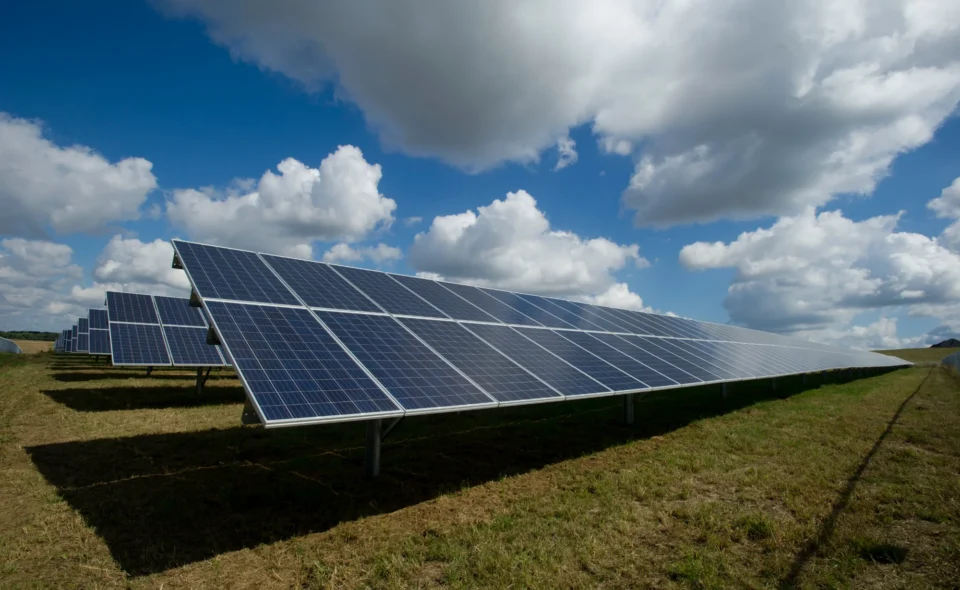
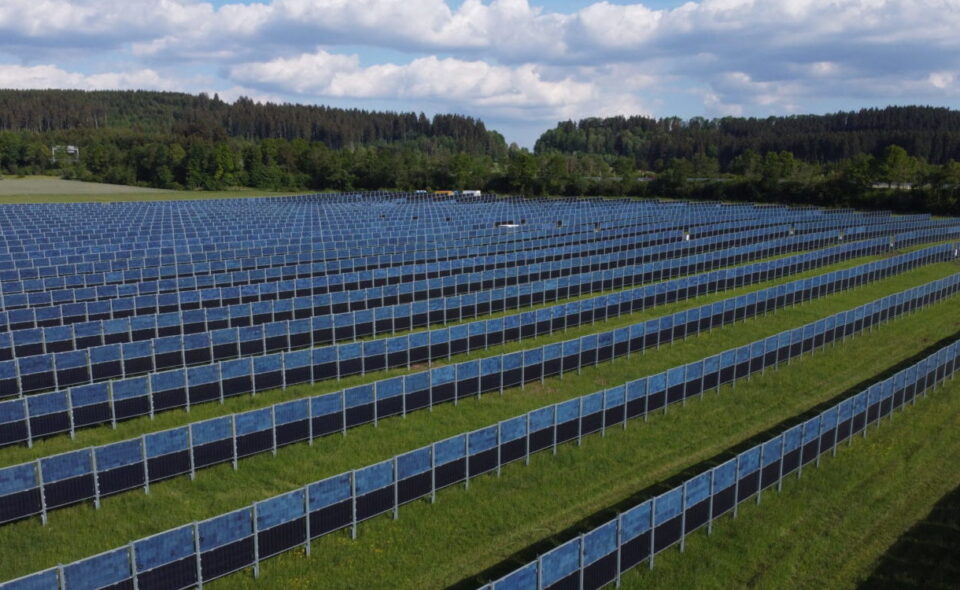
“Electricity generation in Lithuania continues to grow as renewable energy capacities expand. At the end of the third quarter of 2024, the installed capacity of wind and solar power plants in the country was 3,479 MW. Over the year, it increased by 51%, reaching 5,262 MW by the end of the third quarter. It has now already exceeded 5,403 MW. The amount of electricity generated by solar and wind power plants grew at a similar pace — by about a quarter,” said Donatas Matelionis, Head of Litgrid’s System Management Department.
In the past quarter, electricity produced by power plants operating in Lithuania covered 70% of the country’s electricity demand — compared to 59% a year earlier.
During July–September, wind power plants generated 0.761 TWh of electricity — 23% more than a year earlier (0.621 TWh). Solar generation increased by 28%, from 0.548 TWh to 0.702 TWh. Hydropower generation grew by 7%, from 0.061 TWh to 0.065 TWh.
In total, renewable energy power plants produced 1.557 TWh of electricity in the quarter — 23% more than in the same period last year (1.264 TWh). Electricity generated from renewable sources accounted for 73% of all electricity produced in Lithuania in the third quarter, compared to 69% in the same quarter of the previous year.
Thermal power generation increased by 12%, from 0.415 TWh to 0.465 TWh, while pumped-storage hydropower generation decreased by 34%, from 0.162 TWh to 0.107 TWh.
Electricity consumption remained stable
In the third quarter, final electricity consumption in Lithuania reached 2.702 TWh, 0.5% higher than a year earlier (2.687 TWh).
“The largest absolute increase in electricity consumption was recorded in the household sector, despite the growing number of prosumers installing solar power plants,” said Matelionis.
Compared to the third quarter of 2024, household electricity consumption increased by 4%, from 0.687 TWh to 0.712 TWh. Consumption in the industrial sector decreased by 2% — from 1.078 TWh to 1.058 TWh, while in the service sector it increased by 1%, from 0.843 TWh to 0.849 TWh.
Total electricity demand in Lithuania — including the charging of pumped-storage plants, storage facilities, and technological losses — decreased by 3%, from 3.128 TWh last year to 3.027 TWh this year in the third quarter.
mports and exports decreased
During the third quarter of 2025, Lithuania imported 1.604 TWh of electricity — 28% less than in the same period last year (2.242 TWh) — and exported 0.690 TWh, also 28% less than a year earlier (0.956 TWh).
Imports from Sweden decreased by 37%, from 1.464 TWh to 0.930 TWh, while imports from Latvia increased by 323%, from 0.123 TWh to 0.521 TWh.
In the third quarter of this year, the largest share of electricity exports went to Latvia, though it decreased by 40%, from 0.513 TWh last year to 0.310 TWh this year.
Electricity trade with Belarus has not taken place since 2021, and with Russia since 2022. Following the disconnection of the Baltic states from the Russia-controlled IPS/UPS electricity system on 8 February 2025, and their synchronization with the Continental European power grid on 9 February 2025, electricity exchanges with third countries are no longer possible.