Lithuanian electricity TSO Litgrid reports that electricity prices fell 11 percent as wind speeds increased last week.
After wind power generation tripled last week, wholesale electricity prices in the Baltics fell. The lowest electricity prices were not on the weekend, as usual, but on a particularly windy Thursday. Windy weather continues this week, with minimum prices recorded in Western Europe on Monday.
From September 8 to 14, the average weekly wholesale price of electricity in the Lithuanian price zone of the Nord Pool exchange decreased by 11 percent from EUR 106 / MWh to EUR 94 / MWh. In Latvia and Estonia, the price of electricity was the same as in Lithuania. “Last week, the decrease in electricity prices in Lithuania was determined by the almost threefold increase in wind power generation. Wind power plants started producing more on Wednesday, and on Thursday the average electricity price dropped to 45 EUR/MWh.
On Wednesday and Thursday alone, wind power plants produced as much as 42 GWh, and their production reached 80 GWh for the entire week. In comparison, a week ago, wind power plants produced only 27 GWh. Although last week it was not as windy in Europe as in Lithuania, today wind production also determines electricity prices in major countries. On Monday, the average price in Germany reached 8 EUR/MWh, in France – only 3 EUR/MWh,” Deividas Šikšnys, Head of the Market Development Department at Litgrid told The Voice of Renewables.
Electricity consumption in Lithuania grew by 2 percent last week from 206 GWh to 210 GWh. Local power plants provided 78 percent of the country’s electricity consumption (understood as the amount of electricity consumed in Lithuania, excluding the electricity consumed for charging the Kruonis HPP).
In total, 164 GWh of electricity was produced in Lithuania last week – 25 percent more than the week before, when generation reached 131 GWh.
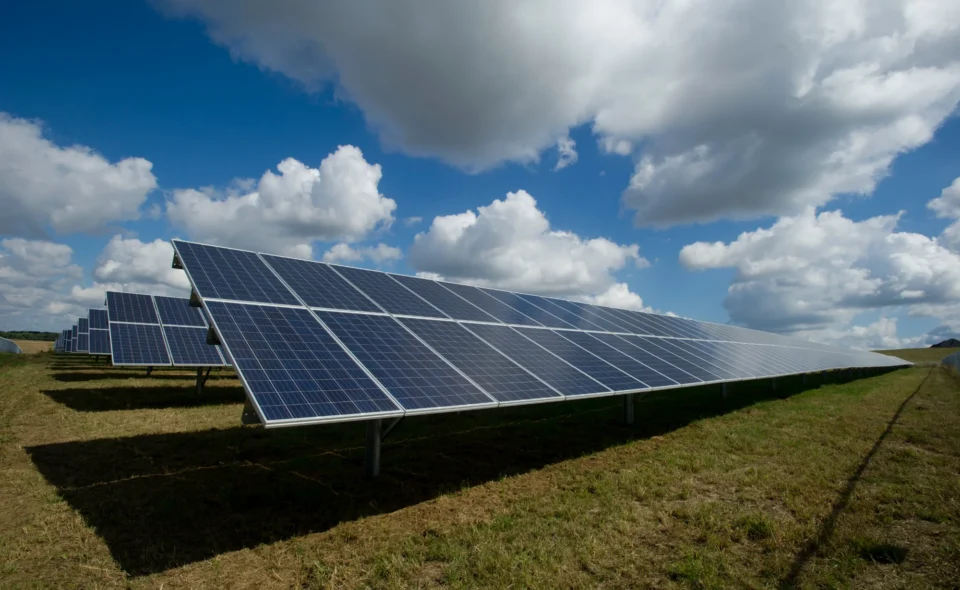
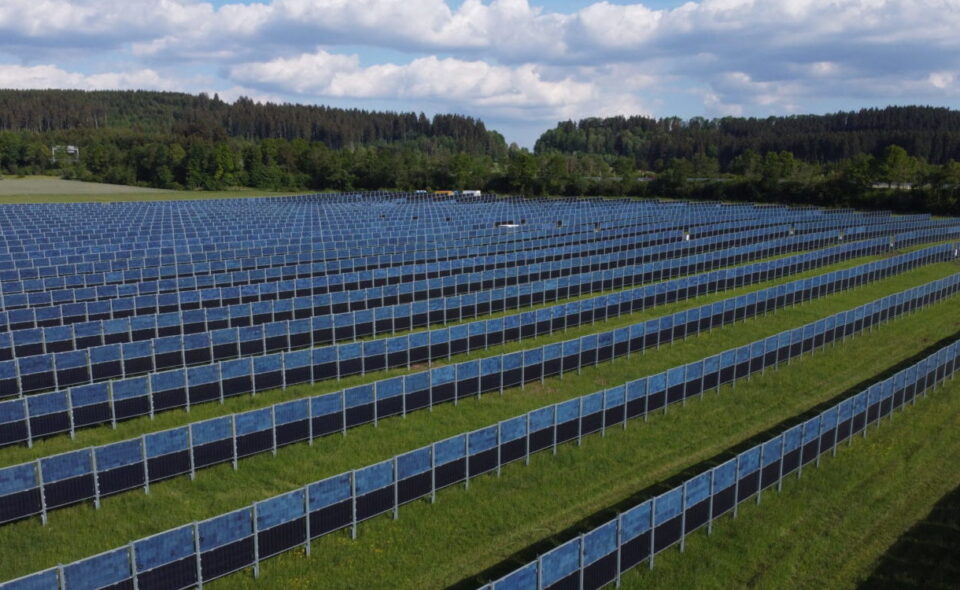
In Lithuania, wind power plants produced the most electricity last week. Their production increased almost threefold from 27 GWh to 80 GWh. Solar power plant generation decreased by 21 percent from 49 GWh to 39 GWh. Thermal power plants connected to the transmission network decreased by 39 percent from 42 GWh to 26 GWh. Hydropower plants produced 15 GWh, and other power plants produced 5 GWh. Last week, wind power plants produced 49 percent of the electricity produced in Lithuania, solar power plants – 24 percent, thermal power plants – 16 percent, hydroelectric power plants – 9 percent, and other power plants – 3 percent.
According to the import/export (balance) ratio, 22 percent of the country’s electricity demand was imported. The total import volume decreased by 27 percent from 119 GWh to 87 GWh. Differentiating the country’s imports, 86 percent came from Scandinavia via the NordBalt connection, 9 percent from Poland, and the remaining 6 percent from Latvia.