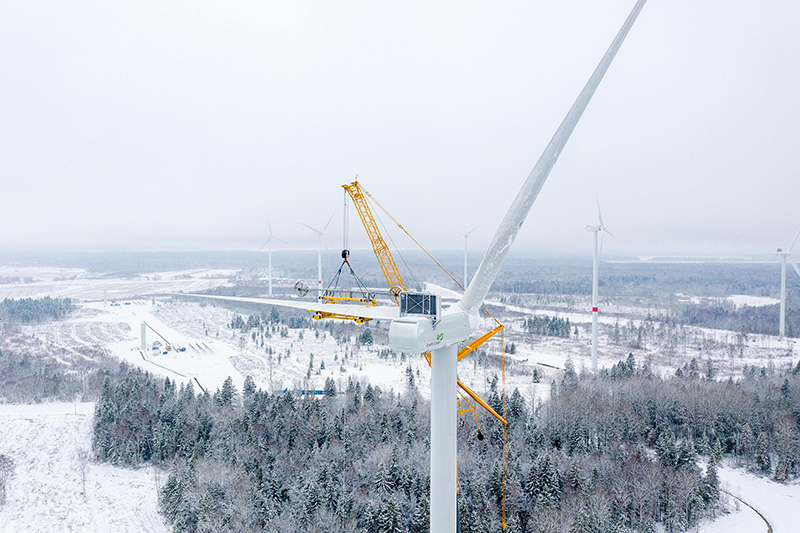
The Renewables Infrastructure Group (TRIG) announced a strategic ten-year corporate power purchase agreement (PPA) with Virgin Media O2 (VMO2), the UK telecommunications provider formed through the merger of Virgin Media and O2. Under the agreement, VMO2 will procure renewable electricity generated from TRIG’s onshore wind farms — Garreg Lwyd in Wales and Earlseat in Scotland — which have a combined capacity of approximately 50 megawatts.
The agreement is based on “pay-as-produced” terms, meaning Virgin Media O2 will purchase the electricity generated by these wind farms at a pre-agreed price, with payments tied to actual output. This structure provides TRIG with long-term price stability while ensuring a reliable and renewable electricity supply for VMO2 as it works towards its net-zero goals.
A Significant Step Towards Net-Zero Targets
Starting from April 2026, the renewable power sourced through this PPA is expected to cover around 15% of Virgin Media O2’s electricity needs. This is a meaningful contribution as the company aims to reach net-zero emissions by 2040 — a full decade ahead of the UK government’s national target.
VMO2’s Chief Sustainability Officer has highlighted that the deal is both a climate action measure and a risk management tool. By locking in energy from domestic renewable sources, the company reduces its exposure to future energy market volatility, safeguarding the power supply for its networks, data centres, and retail infrastructure.
Who Are the Parties Involved?
TRIG is a London-listed investment trust that owns and operates a diversified portfolio of renewable energy assets across Europe, including both wind and solar. It seeks to deliver stable, inflation-linked returns to shareholders through long-term contracts and selected merchant exposure. The two wind farms involved in this agreement — Garreg Lwyd and Earlseat — are operated by RES, TRIG’s asset manager.
Virgin Media O2 is one of the UK’s largest connectivity providers, offering broadband, mobile, and TV services to millions of customers. The company has taken a proactive stance on sustainability and is actively seeking to reduce its reliance on volatile wholesale electricity markets by securing clean energy through long-term agreements such as this one.
Commercial and Environmental Implications
For TRIG, this PPA secures a guaranteed buyer for a portion of its renewable generation at a fixed price over a decade, which enhances revenue predictability and supports its investment model. Such agreements are increasingly valuable for infrastructure funds that aim to balance contracted and merchant electricity sales.
For VMO2, the PPA offers protection from short-term energy price spikes while advancing the company’s environmental commitments. The contract ensures a stable electricity cost base and underpins the firm’s plan to reduce its Scope 2 greenhouse gas emissions — those linked to purchased electricity.
PPAs like this are a mainstream and credible way for corporates to support renewable energy development while making tangible progress on sustainability targets. Sourcing electricity from named domestic wind farms enhances transparency and strengthens claims of renewable use.
Supporting the UK’s Energy Transition
This agreement also sends a broader market signal. It reflects the growing appetite among UK corporates to partner directly with renewable energy producers. Such demand drives further investment in local green energy infrastructure and helps to scale the corporate PPA market in the UK — an important mechanism for achieving national decarbonisation goals.
About the Wind Assets
- Garreg Lwyd Hill Wind Farm (Wales): Located in South Wales, this project became operational in the late 2010s. Managed by RES, it consists of multiple turbines contributing a substantial portion of the renewable electricity supplied under the PPA.
- Earlseat Wind Farm (Scotland): This Scottish project provides the remainder of the energy mix for the agreement. It forms a key part of TRIG’s onshore wind portfolio.
Looking Ahead: Implications and Next Steps
The TRIG–VMO2 agreement is part of a wider trend among corporates looking to increase renewable energy sourcing. Should VMO2 — or similar firms — decide to expand their use of PPAs, it could stimulate further development of UK renewable generation assets.
That said, practical considerations remain. Issues such as intermittency, grid integration, and renewable attribution (such as Guarantees of Origin) need to be managed carefully. The pay-as-produced structure of this agreement addresses some of these challenges by linking payments directly to actual generation.
Conclusion
The 10-year power purchase agreement between TRIG and Virgin Media O2 is a commercially sound and environmentally responsible move. It aligns the interests of a renewable energy investor and a major UK telecoms operator, while supporting broader climate goals. By securing long-term, homegrown renewable electricity at a fixed price, both parties are taking pragmatic steps to navigate energy market uncertainty and contribute to the UK’s transition towards a net-zero economy.