


Ports are rapidly evolving from traditional logistics hubs into critical nodes of the energy transition. Beyond handling cargo, modern ports are becoming centres for renewable energy production, storage, and distribution, particularly in offshore wind, hydrogen, and Power-to-X technologies.
They serve as staging points for the construction and maintenance of offshore wind farms, hosts for electrolysers and green fuel production facilities, and gateways for exporting renewable energy to regional and international markets. By integrating energy infrastructure with existing maritime capabilities, ports are not only supporting the decarbonisation of shipping and industry but are also positioning themselves as strategic drivers of economic growth and energy security in a rapidly changing global energy landscape.
The Port of Rønne on Bornholm is no stranger to those developments.
The Port’s efforts align with Denmark’s broader hydrogen strategy, which includes plans for a cross-border hydrogen pipeline connecting Denmark to Germany, expected to be operational by 2031. Additionally, the establishment of Energy Island Bornholm, with 2-3 GW of offshore wind capacity and HVDC interconnectors to Zealand and Germany, complements the Port’s initiatives, providing a sustainable energy source for PtX production.
Strategic Expansion to Support Offshore Wind Energy
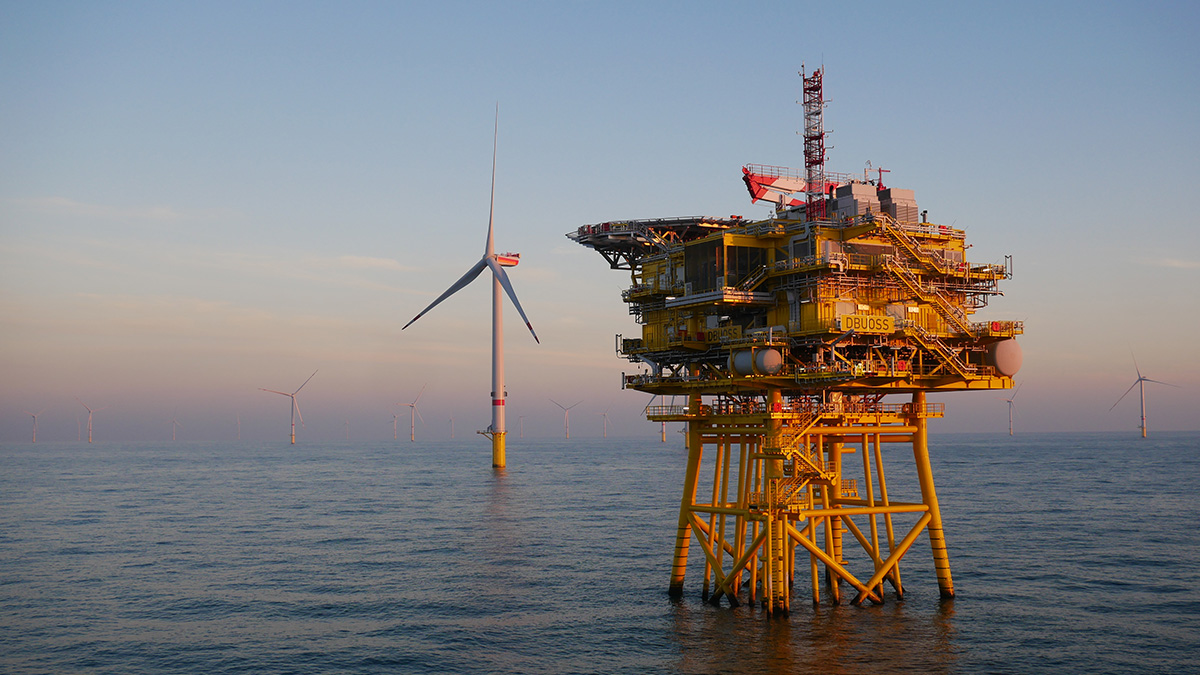
Located on Denmark’s Baltic island of Bornholm, the Port of Rønne is enhancing its infrastructure to support the growing offshore wind sector. It has already served as an installation port for projects like the Baltic Power offshore wind farm, with Orlen utilizing Rønne due to delays in other terminal developments.
Looking ahead, the port is expanding to accommodate multiple offshore wind projects simultaneously. This includes the development of the Energy Island Bornholm, which will feature a 3 GW offshore wind farm connected to Denmark and Germany via high-voltage direct current (HVDC) cables.

Energy Island Bornholm: A Renewable Powerhouse
The Energy Island Bornholm project is a pioneering initiative aimed at creating a cross-border offshore energy hub. It will connect multiple wind farms via a central hub, converting the generated electricity into HVDC and transporting it to consumers in Denmark and Germany.
With EU funding of €645 million, the project is set to become operational in the 2030s, providing up to 3 GW of renewable power to the European grid.
Power-to-X and Green Hydrogen Initiatives
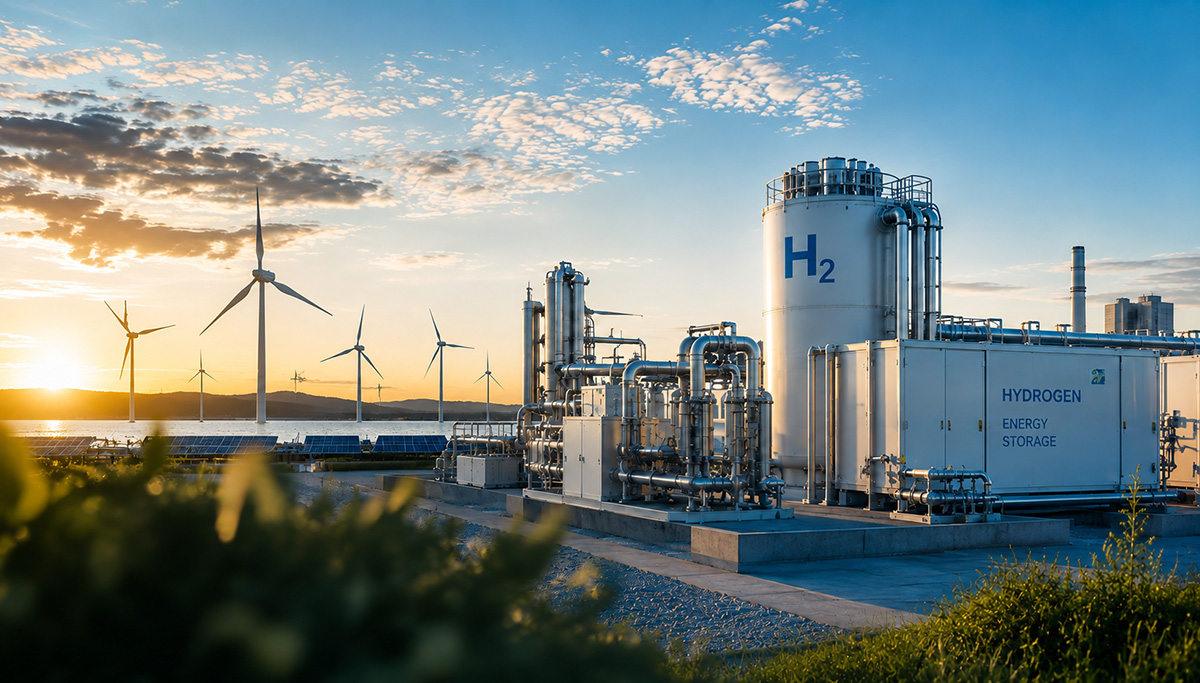
Bornholm is also exploring Power-to-X (PtX) technologies to convert surplus renewable electricity into green hydrogen and synthetic fuels. The REACTRF-22-0054 feasibility study, initiated by the Port of Rønne, aims to assess the potential for large-scale PtX production on the island.
Additionally, a 10 MW electrolyser is planned to produce renewable hydrogen for use in buses and trucks, with future phases targeting renewable methanol for maritime transport and jet fuel for aviation.
Bornholm Bunker Hub: A Green Marine Fuel Station
The Bornholm Bunker Hub is a consortium involving Ørsted, Molslinjen, Haldor Topsøe, and Bunker Holding, aiming to establish a green marine fuel station on Bornholm. This initiative aligns with the Danish government’s goal for ferry services to be emission-free by 2030, supporting the transition to sustainable maritime fuel solutions.
Conclusion
Strategically located and with offshore wind, green hydrogen, and sustainable marine fuels development converging, the Port of Rønne is fast becoming a blueprint for Baltic Sea region clean energy future. As the island transforms into an energy hub, its role extends beyond Denmark – it is growing into a central hub for offshore wind energy and green hydrogen production, while positioning itself at the forefront of Denmark’s and the Baltic Sea’s basin renewable energy transition.