


On 28 April 2025, at 12:33 p.m., the Iberian Peninsula experienced a total blackout. Spain and Portugal went dark, leaving streets empty, trains stalled mid-journey, elevators frozen, and digital networks offline. For millions, it was a sudden and visceral lesson in our dependence on electricity.
The Anatomy of a Blackout
- 12:03–12:07 p.m.: Voltage oscillations start
- 12:33:21 p.m.: AC lines to France trip
- 12:33:24 p.m.: Grid collapses
- 1:30 p.m.: First major reconnection with France
- 7:00 a.m. (29 April): Full restoration
Preliminary investigations by ENTSO-E reveal the collapse was triggered by voltage instability in Spain. Oscillations between generation clusters caused several plants to disconnect automatically. Protective systems then cut interconnections to France, isolating the Iberian grid.
Unlike typical frequency-related failures, this blackout is believed to have been caused by a “high-voltage cascade”, a phenomenon rarely seen in Europe, where voltage surges propagate rapidly, forcing generation units offline and triggering a full collapse.
Restoring Power: A Herculean Task
- Operators relied on hydropower and gas plants to restart the grid.
- France and Morocco supplied emergency power up to 2 GW.
- Nuclear plants remained offline for safety.
- Full restoration in Spain took until 7:00 a.m. on 29 April.
The recovery process required delicate coordination to prevent further surges. By mid-afternoon on the day of the blackout, the first major 400 kV line connecting Spain and France was back online, gradually re-energising the system.

Human and Economic Impact
“Hospitals ran on emergency generators, traffic lights failed, and businesses ground to a halt — yet society adapted remarkably quickly.”
The blackout disrupted daily life and caused significant economic losses, particularly in manufacturing, transport, and IT-dependent sectors. Emergency services adapted quickly, and public messaging helped prevent panic. Meanwhile, the broader European grid remained stable, avoiding a wider continental crisis.
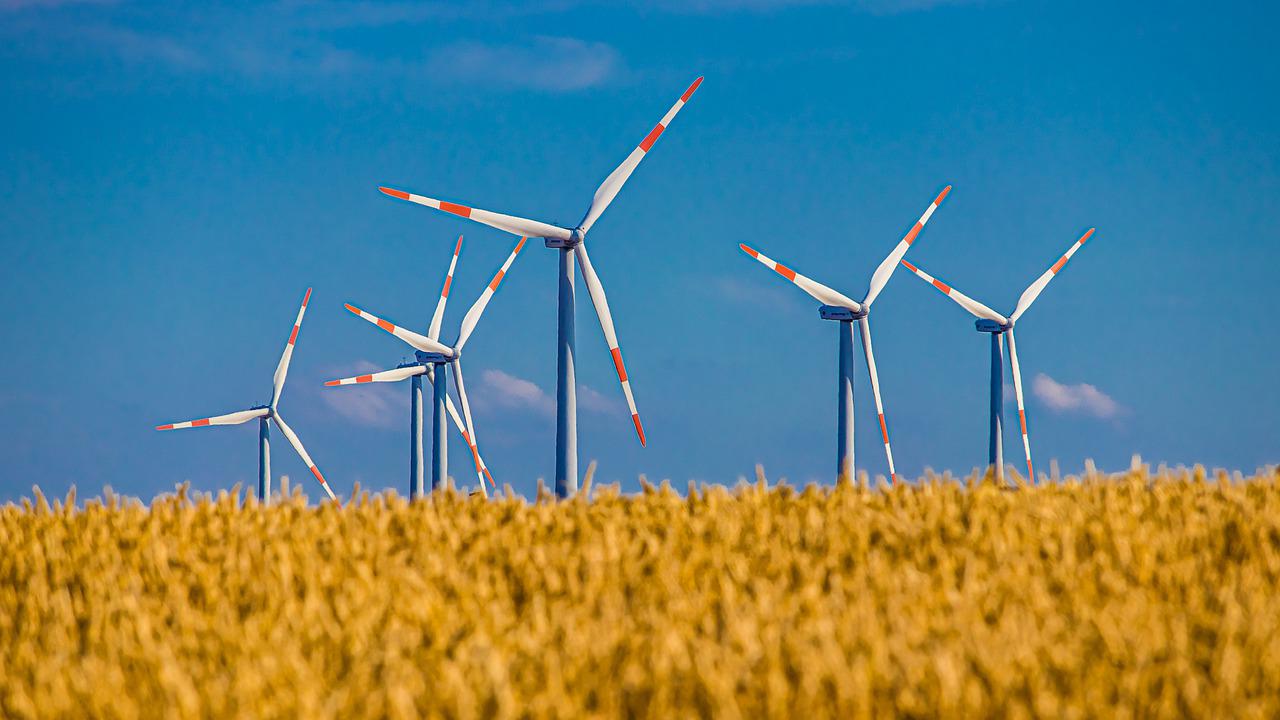
Experts emphasize that the blackout was a wake-up call for energy operators and policymakers. With renewable energy sources like solar and wind accounting for an increasing share of electricity production, grids are facing more variable and complex conditions. Voltage stability, system defence protocols, and rapid data sharing between operators are now more critical than ever.
The ENTSO-E Expert Panel has flagged several areas for reform:
- Voltage control and stability mechanisms to prevent sudden surges.
- Generator and user behavior in voltage regulation.
- System defence plans to respond more effectively to cascading failures.
- Improved situational awareness and communication among operators.
Looking Ahead
A full technical report is scheduled for publication in October 2025, which will provide a detailed chronology, root-cause analysis, and policy recommendations. Meanwhile, the Iberian blackout serves as a cautionary tale: even as Europe invests heavily in green and smart grid technologies, energy systems remain vulnerable to rare but catastrophic events.
For Spain and Portugal, the blackout is more than just an inconvenience — it’s a lesson in resilience, preparedness, and the hidden fragility of modern life. As grids evolve to meet the demands of a renewable-powered future, understanding and addressing these vulnerabilities will be crucial to ensuring that the lights never go out again.