Electricity prices in Lithuania remained stable in September 2025 despite falling solar output and rising consumption, thanks to stronger wind generation, increased thermal production, and higher import flows from Finland.
According to transmission system operator Litgrid, the average wholesale electricity price in Lithuania rose only slightly compared with August, increasing by 2% from €80/MWh to €81/MWh. Prices were still considerably lower than in the same period of 2023 (€117.3/MWh) and 2022.
Solar Decline Balanced by Wind and Imports
Paulius Kozlovas, Head of Strategy at Litgrid, explained that seasonal changes in generation and consumption were the main factors shaping the market.
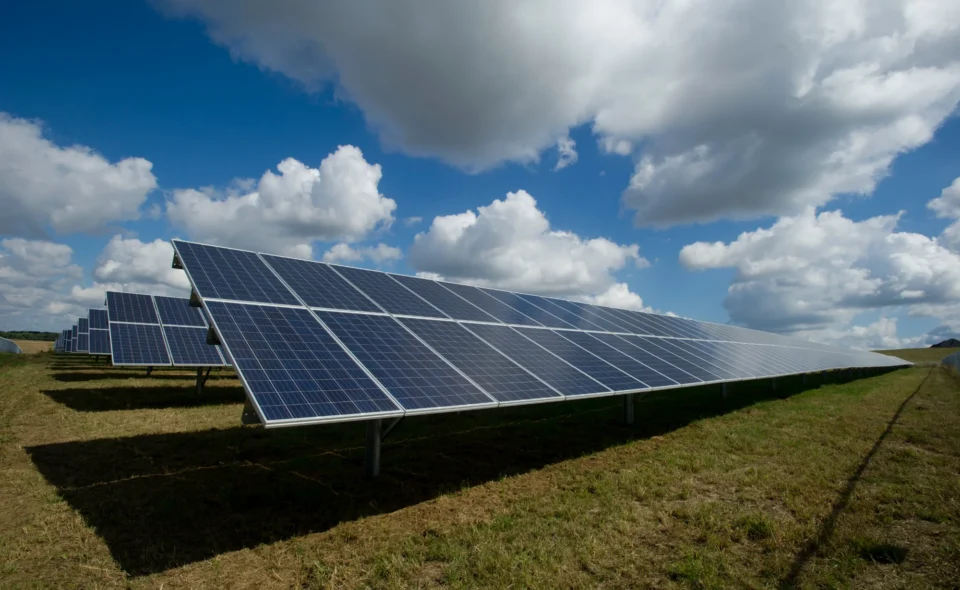
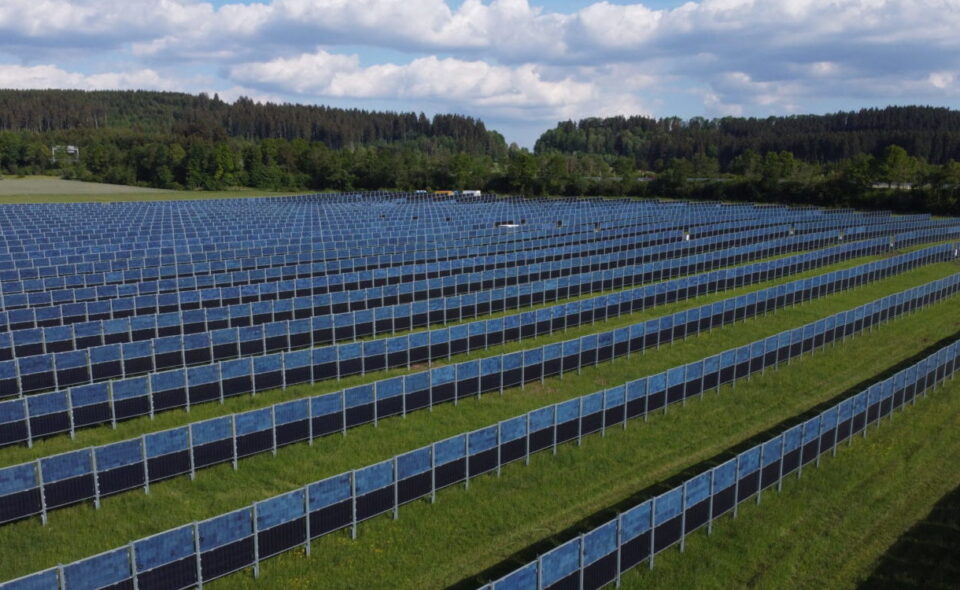
“Last month electricity prices remained stable despite market shifts. The most notable change was the sharp decline in solar generation – from around 7 GWh per day at the start of the month to just 4 GWh by the end of September,” Kozlovas said.
He noted that cooler, cloudier weather also boosted consumption, which was offset by higher wind generation and increased output from domestic thermal plants. In addition, the reopening of the EstLink 1 interconnector on 19 September prevented further upward pressure on prices. The 358 MW link between Estonia and Finland had been offline since the beginning of the month due to maintenance.
Looking ahead, Kozlovas warned that natural gas prices will play a bigger role as winter approaches: “Electricity prices are strongly influenced by gas, so we are monitoring developments in gas markets. In September, the Baltic and Finnish gas exchange operator changed, though this had little effect on prices in Lithuania.”
Regional Price Differences
Wholesale prices across the Baltic region were broadly similar. In September, Latvia matched Lithuania at €81/MWh, while Estonia registered €79/MWh. The highest prices in the Baltic Sea region were recorded in Poland at €104/MWh, while northern Sweden and Norway saw the lowest – around €20/MWh.
Consumption Rises as Production Shifts
Electricity consumption in Lithuania reached an estimated 896 GWh in September, up 8% on the previous month. Domestic generation totalled 657 GWh, covering 73% of national demand.
Wind farms were the largest contributors, generating 275 GWh – 42% of the total and a 29% increase from August. Solar production, however, fell by 24% to 160 GWh. Thermal plants produced 142 GWh, hydropower plants 54 GWh, and other sources 26 GWh.
Imports and Exports
Imports accounted for 31% of Lithuania’s consumption, with 84% coming via the NordBalt link from Scandinavia and 8% each from Latvia and Poland. Total imports fell by 11% compared with August, from 500 GWh to 446 GWh.
Exports decreased by 13% to 172 GWh, with the bulk directed to Latvia (57%), followed by Poland (37%) and Scandinavia (5%).