Between 28 September and 4 October, the average wholesale electricity price in Lithuania fell from €139/MWh to €74/MWh. Two things pushed it down: more solar generation in Lithuania, and cheaper power in the Nordic countries thanks to stronger wind output. In southern Sweden, prices stayed high because of new transmission restrictions.
Between 28 September and 4 October, the average weekly wholesale electricity price in the Lithuanian bidding zone of the Nord Pool and EPEX SPOT power exchanges fell by 47%, from €139/MWh to €74/MWh. Latvia’s price was the same, while Estonia’s was €69/MWh.
“Electricity prices in the Baltic states fell significantly last week. This was mainly down to cheaper electricity in the Nordic region and higher solar generation in Lithuania. In Finland, the average weekly price fell by 38% to €49/MWh, and in Sweden’s SE3 zone by 31% to €76/MWh. Meanwhile, the price in southern Sweden’s SE4 zone stayed high and rose to €143/MWh. This was because transmission capacity between the SE3 and SE4 zones has been cut to 2,300 MW since the end of September, which limits flows of cheaper electricity from northern Sweden. Prices in the SE4 zone are also affected by higher electricity prices in Central Europe, where Nordic exports go, because gas is expensive there. Despite the high prices in southern Sweden, cheaper electricity in the other Nordic zones brought prices down across the region. In Lithuania, solar generation rose by 73% over the week to reach 64 GWh. Together with cheaper imports from the Nordic countries, this cut the average electricity price in Lithuania by 47% to €74/MWh,” said Deividas Šikšnys, Head of the Market Analytics Division at Litgrid.
Electricity demand in Lithuania fell by 2% last week, from 259 GWh to 254 GWh. Domestic power plants met 72% of the country’s demand*. In total, Lithuania generated 182 GWh last week. That was 11% less than the previous week, when generation reached 205 GWh.
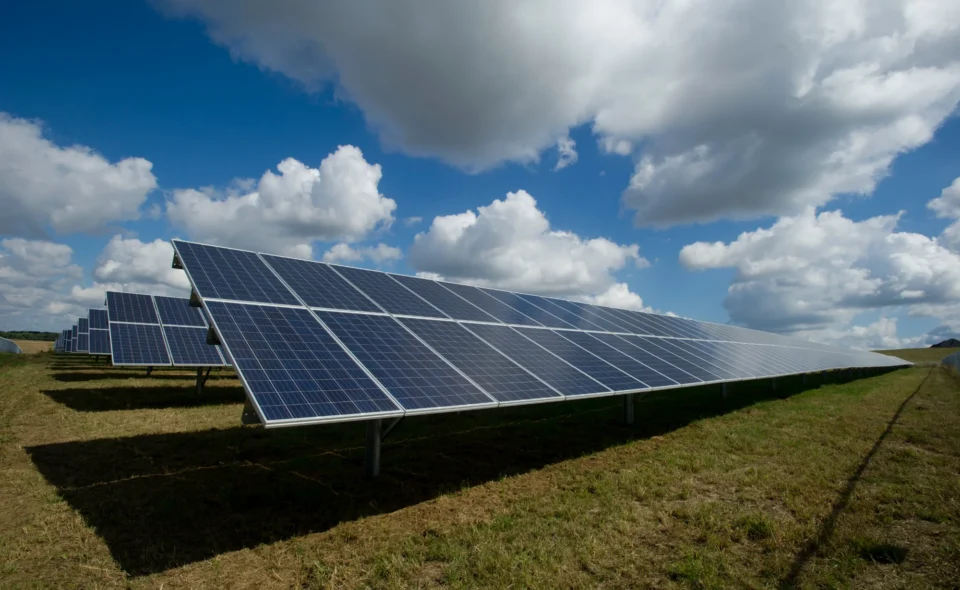
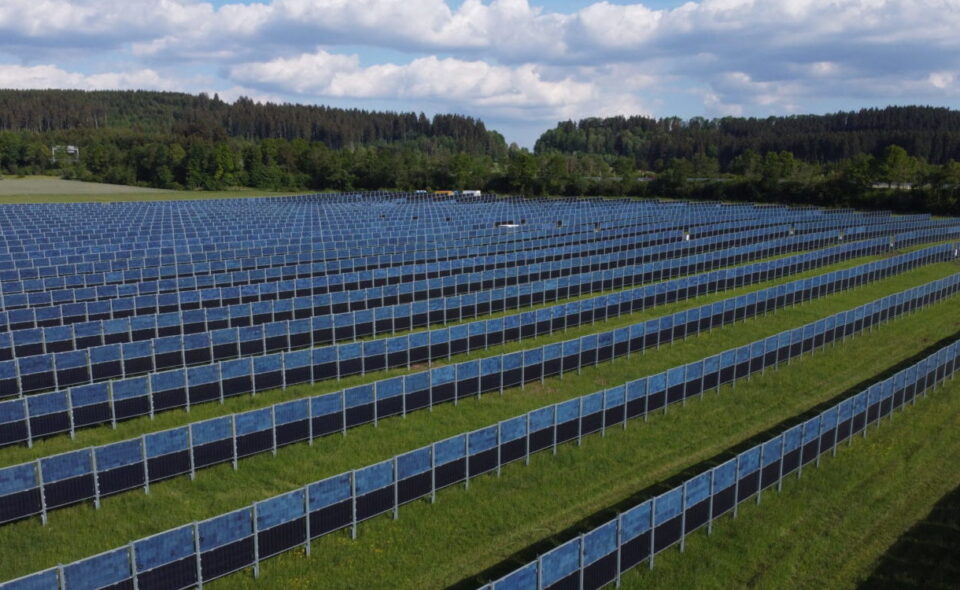
Wind farms generated the most electricity in Lithuania last week, although their output fell by 38%, from 121 GWh to 74 GWh. Solar generation rose by 73%, from 37 GWh to 64 GWh. Hydropower plants generated 15 GWh, thermal power plants 16 GWh and other power plants 13 GWh. Wind farms produced 41% of the electricity generated in Lithuania last week, solar plants 35%, hydropower plants 8%, thermal power plants 9% and other power plants 7%.
Total imports rose by 12%, from 100 GWh to 111 GWh. Of the imported electricity, 66% came from Sweden, 30% from Latvia and 4% from Poland. Exports from Lithuania fell by 32%, from 54 GWh to 36 GWh. Of these exports, 73% went to Poland, 18% to Latvia and the remaining 9% to Sweden.
Use of LitPol Link capacity was 81% in the direction of Poland and 14% in the direction of Lithuania. Use of NordBalt capacity was 3% in the direction of Sweden and 63% in the direction of Lithuania.