Europe’s nuclear story got a jolt in 2025 — not as a single headline, but as a string of concrete moves that make clear nuclear power is back at the centre of the continent’s clean-energy debate. Governments and utilities are no longer asking whether to keep nuclear on the table; they’re asking how big a role it should play, how quickly new designs can be licensed, and how nuclear can pair with renewables, storage and hydrogen to deliver reliable, low-carbon power.
The most visible near-term push is in the UK, where the government gave renewed political and financial momentum to large new builds — most notably Sizewell C — and simultaneously backed a slate of smaller projects built from modular units. Sizewell C won a major funding commitment in 2025 that cleared the way for Britain’s first large-scale new reactor in decades, signalling a return to big nuclear alongside a parallel bet on modularity.
That modular bet is taking shape fast. 2025 saw a flurry of transatlantic and domestic deals to bring small and advanced modular reactors (SMRs/AMRs) forward: private investors and utilities signed partnerships to deploy fleets of compact reactors at industrial and coastal sites, while regulators agreed fast-track routes and mutual recognition in some bilateral deals to cut licensing times. The aim is clear — commission factory-built units in the 2030s that can deliver flexible, firm power and local jobs without the decade-long timetables and cost runs of many traditional projects.
Industrial supply chains and vendors also advanced in 2025. Rolls-Royce’s SMR demonstrator passed key regulatory milestones, positioning UK designs among the furthest through formal assessment in Europe, while pan-European industry groups formed alliances and published action plans to coordinate manufacturing, skills and siting for SMRs across member states. That industrial alignment is meant to cut costs, accelerate deployment and reduce reliance on non-EU supply chains.
Not every story is unambiguously rosy. Long-running projects like Finland’s Olkiluoto 3 continue to show the technical complexity and operational scrutiny that modern large reactors demand — even after commercial start-up — and remind policymakers that safety, oversight and public trust remain non-negotiable. Cost, financing models and waste management are still front-and-centre in public debates, and several countries are balancing nuclear re-engagement with rapid renewables rollout.
Several Central and Eastern European states are now explicit about building their first reactors or SMR fleets to secure energy independence and decarbonise industry. Poland, for instance, advanced site planning and vendor talks in 2025 for initial SMR deployment, reflecting a wider regional interest in smaller reactors that can be sited closer to demand centres and industrial clusters. Across the EU the political dynamic is shifting: some member states press for recognition and harmonised rules for nuclear in energy planning, while others remain more cautious.
Most Notable Expansion Examples
United Kingdom: Leading the Modular Revolution
In the UK, a landmark $100 billion nuclear partnership with the United States has been established, signalling a “golden age” for nuclear energy. Key initiatives include the development of up to 12 advanced modular reactors (AMRs) in Hartlepool, capable of powering 1.5 million homes and creating 2,500 jobs. Additionally, projects such as nuclear-powered data centres in Nottinghamshire and a microreactor at London’s Gateway port are underway. These efforts are supported by expedited safety checks and mutual recognition agreements between the UK and US, aiming to reduce reactor licensing times to approximately two years.
France: Maintaining Nuclear Dominance
France continues to be Europe’s largest producer of nuclear energy, generating over 70% of its electricity from nuclear sources. The country remains committed to its nuclear fleet, with ongoing efforts to extend the life of existing reactors and invest in new technologies. France’s nuclear strategy is integral to its plan to achieve carbon neutrality by 2050.
Germany: Navigating the Energy Transition
Germany, having previously committed to phasing out nuclear power, is reassessing its energy strategy. The country is exploring the possibility of extending the operational life of existing reactors and considering the construction of new nuclear facilities to ensure energy security and meet climate targets. This shift reflects a broader European trend of re-evaluating nuclear energy’s role in achieving decarbonization goals.
Poland: Embracing Small Modular Reactors
Poland is set to build Europe’s first small-scale BWRX-300 nuclear power plant in Włocławek. This project represents a significant step in Poland’s energy diversification strategy, aiming to reduce dependence on coal and enhance energy security. The BWRX-300, a Generation III+ reactor, offers a compact and efficient solution for Poland’s energy needs.
Slovakia: Expanding Nuclear Capacity
Slovakia is advancing its nuclear energy capabilities with the recent increase in output at the Mochovce 3 reactor. The country now generates over 60% of its electricity from nuclear power, positioning itself as a net exporter of nuclear electricity within the European Union. Slovakia’s commitment to nuclear energy is central to its strategy for energy independence and carbon reduction.
Belgium: Reassessing Nuclear Phase-Out
Belgium, which had planned to phase out nuclear power by 2025, has reversed its decision. The Belgian parliament voted to extend the operation of existing reactors and is considering the construction of new nuclear facilities. This policy shift underscores the growing recognition of nuclear energy’s role in achieving energy security and climate objectives.
Finland: Operational Excellence
Finland’s nuclear sector is exemplified by the Olkiluoto 3 reactor, which began regular electricity production in 2023. With an average capacity factor of 95%, Finland’s reactors are among the world’s most productive. The country continues to invest in nuclear energy as a reliable and low-carbon power source.
European Union: Strategic Investments
The European Commission estimates that EU member states will require approximately €241 billion in investments through 2050 to meet nuclear energy plans. This investment is crucial for maintaining and expanding nuclear capacity, which is projected to grow from about 98 GW in 2025 to approximately 109 GW by 2050.
New Nuclear and Grid Capacity
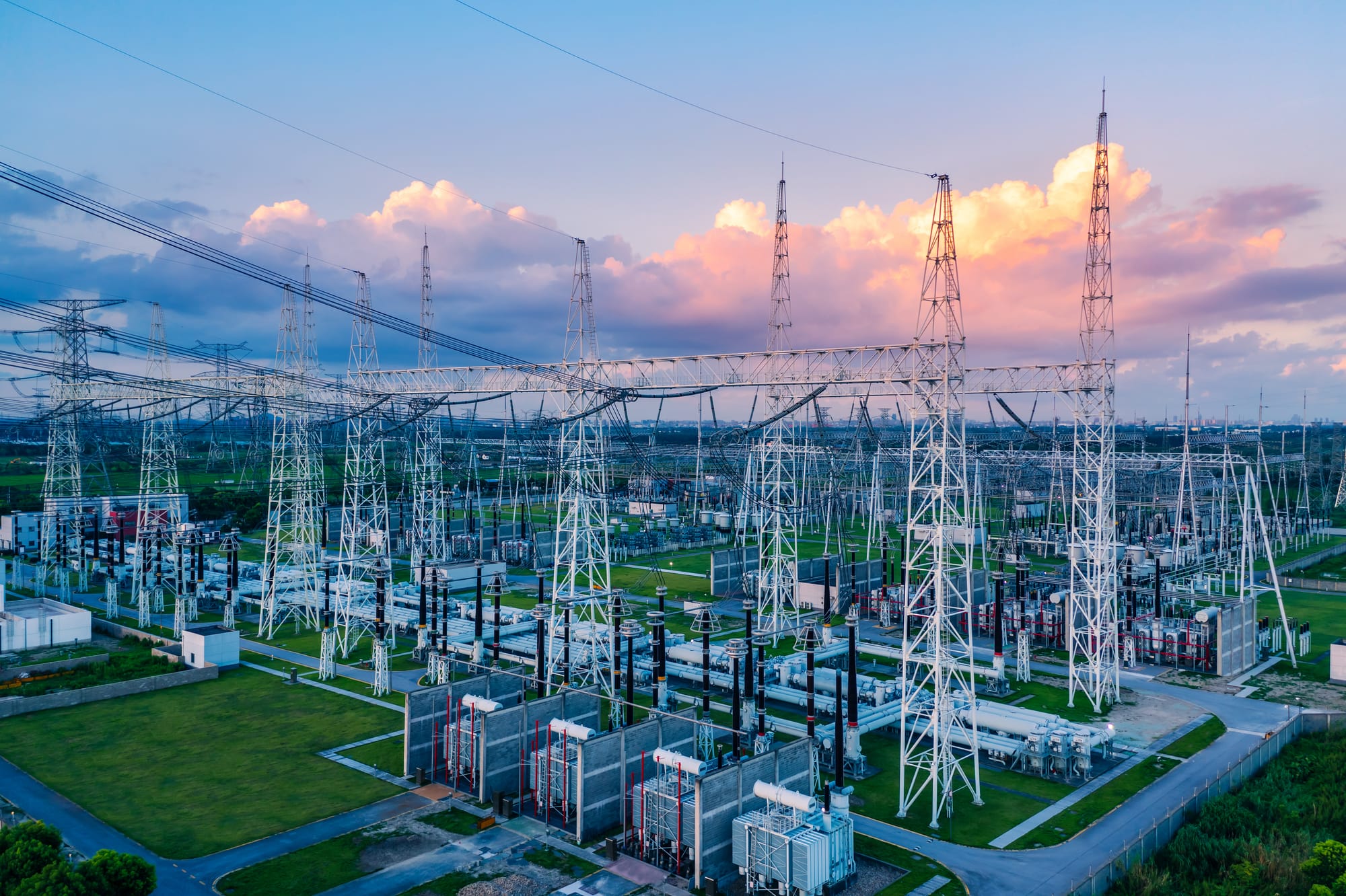
Grid capacity can be a significant constraint for new nuclear power in Europe, but its impact varies depending on the type and scale of the reactor and the region’s existing transmission infrastructure.
Even with SMRs, connecting new nuclear capacity to the grid often requires smart grid technologies, advanced load balancing, and regional interconnectors to handle both nuclear baseload and intermittent renewables. Without these upgrades, nuclear output may be constrained, underutilized, or require curtailment.
Europe is actively modernising its grid infrastructure to accommodate new nuclear power, ensuring that both large reactors and small modular reactors (SMRs) can be reliably integrated alongside the growing share of renewable energy. This modernisation includes upgrading high-voltage transmission lines to cope with the continuous, high-output electricity from large reactors, deploying smart grid technologies for real-time balancing, and constructing regional interconnectors to enable cross-border electricity flows. Additionally, strategically siting SMRs near industrial clusters or demand centres reduces transmission constraints and allows nuclear power to provide flexible, dispatchable energy. These measures aim to maintain grid stability, optimise nuclear output, and support Europe’s transition to a low-carbon, secure energy system.
UK, Poland, Baltic States, and Portugals are currently at the forefront of energy grid modernisation in Europe. Ukraine, focusing on nuclear power to rebuild its grid and supply Europe, also pursues nuclear as a part of its strategy to morph into major energy supplier for Europe.
Financing Nuclear Projects
Financing nuclear power projects in Europe is a complex and capital-intensive endeavour, often requiring a blend of public and private investment, state support, and international collaboration. Here are but
Poland: Public Funding and State Guarantees
Poland is advancing its nuclear ambitions with a significant financial commitment. In March 2025, President Andrzej Duda signed a bill allocating PLN 60.2 billion (approximately USD 15.5 billion) in public funds for the construction of the country’s first nuclear power plant, managed by state-owned Polskie Elektrownie Jądrowe (PEJ). Additionally, the government has agreed to provide 100% state guarantees for debt financing, totalling around EUR 33 billion, and has proposed a two-way Contract for Difference (CfD) to ensure revenue stability over the plant’s 60-year operational life.
United United Kingdom: Public-Private Partnerships and Regulated Asset Base
The UK is pursuing a dual approach to nuclear financing, combining large-scale projects with modular reactor developments. The Sizewell C project, a 3.2 GW nuclear power plant in Suffolk, is partially funded through a regulated asset base (RAB) model, allowing investors to receive returns during construction, thus reducing financing costs. Simultaneously, Centrica has committed £10 billion to develop up to 12 advanced modular reactors (AMRs) in Hartlepool, in partnership with US-based X-energy.
Sweden: State Aid for New Nuclear Projects
n August 2025, Sweden introduced legislation enabling companies to apply for state aid to support investments in new nuclear reactors. This move is part of Sweden’s strategy to enhance energy security and meet future electricity demands through nuclear energy.
Finland: A blend of
Fortum announced in 2025 that building new large nuclear plants is not commercially viable under current wholesale market conditions without state guarantees, regulated revenue models, or CfDs (Contracts for Difference) similar to UK’s Sizewell C. Large new reactors will likely only happen if financing frameworks evolve — e.g. CfDs, EU green financing, or sovereign guarantees. SMRs are more viable due to lower upfront cost and clearer municipal customers, but they still require public R&D grants, EU support frameworks, and early risk-sharing.
Major Constraints and Challenges in Europe
High Capital Costs and Financing Risks
Most critical challenges for nuclear plants construction are large upfront investments, long construction timelines, and exposure to cost overruns make financing new builds the biggest barrier. Public-private partnerships, government loan guarantees, regulated revenue models, and green/ESG-linked financing can lower risk and attract investment.
Regulatory and Licensing Complexity
This is a complex issue as country-specific approval processes slows deployments. EU-level harmonization, mutual recognition agreements for SMRs, and streamlined licensing frameworks can accelerate timelines.
Supply Chain Limitations
A lack of domestic manufacturers for key components, specialised materials, and skilled labor creates bottlenecks. Developing coordinated European supply chains, investing in domestic manufacturing, and training a new generation of nuclear engineers and technicians is urgently required for the projects to be constructed .
Public Acceptance and Political Risk
Social opposition and political uncertainty can halt project. Transparent stakeholder engagements, clear safety standards, and demonstration projects highlighting modular and flexible reactor technologies can improve trust.
Waste Management and Decommissioning
Unresolved long-term storage and disposal raises uncertainty. Advance geological repositories, interim storage solutions, and funding mechanisms for decommissioning costs should be implemented.
Competition with Renewables and Grid Integration Challenges
Integrating nuclear with growing intermittent renewables requires flexible operation and upgraded transmission. Investment in smart grids, interconnectors, and hybrid systems combining nuclear with storage and hydrogen production is the way forward.
Skilled Workforce Shortages
Specialized labor is limited, especially for SMRs. Expanding nuclear education, apprenticeships, and knowledge-sharing initiatives across Europe is a must.
Conclusion
Looking to 2050, credible scenarios make nuclear a variable but potentially significant contributor to a net-zero electricity system — especially as a firm, low-carbon complement to vast wind and solar fleets. The IEA’s recent analysis and industry plans suggest three plausible pathways: (1) modest nuclear growth focused on lifetime extensions and a handful of large new plants; (2) accelerated deployment where SMRs scale from the 2030s and add tens of gigawatts by 2050; and (3) a high-nuclear pathway that pairs large and modular reactors with hydrogen production and industrial decarbonisation. The trajectory taken will depend on policy choices, capital availability, supply-chain build-out and societal consent. For Europe to realise the more ambitious nuclear futures, four things must happen in parallel: faster, predictable financing models that limit sovereign exposure; streamlined but rigorous licensing across jurisdictions; domestic and regional supply-chain investment to lower overnight costs; and credible, transparent plans for waste, safety and community benefit that build public trust. If those pieces align, nuclear could supply persistent, dispatchable low-carbon power and industrial heat through 2050 — but the window for policy and industrial coordination is narrow, and the coming decade will be decisive.