



Greece has unveiled a comprehensive new Special Spatial Planning Framework for Renewable Energy Sources (RES), introducing significantly stricter land-use rules for solar and wind developments while aiming to accelerate the country’s long-term clean energy transition.
The new framework, released for public consultation by the Greek Ministry of Environment and Energy, marks the most extensive overhaul of renewable energy planning policy since the country’s first RES spatial plan was introduced in 2008. The reforms seek to balance rapid renewable deployment with stronger environmental protection, cultural heritage safeguards and greater consideration for local communities.
The announcement comes as Greece continues to strengthen its position as one of Europe’s fastest-growing renewable energy markets. According to the government, more than 50% of the country’s electricity consumption now comes from renewable sources, while Greece ranks third globally in solar energy penetration and ninth in wind energy penetration.
Prime Minister Kyriakos Mitsotakis’s government has framed the new policy as both an energy security measure and a long-term strategic development tool amid heightened geopolitical uncertainty and Europe’s continuing push towards decarbonisation.
The Voice of Renewables analysis:
If the new Greek Special Spatial Planning Framework for Renewable Energy Sources is adopted substantially in its current form, it will have major implications for future renewable energy development in Greece — particularly for utility-scale solar and wind projects.
One of the clearest signals in the framework is that visual impact and landscape preservation are becoming central policy priorities. This means project opposition from municipalities and local communities may increasingly succeed where projects are perceived to damage landscapes or tourism value. For investors, social licence will become nearly as important as technical feasibility.
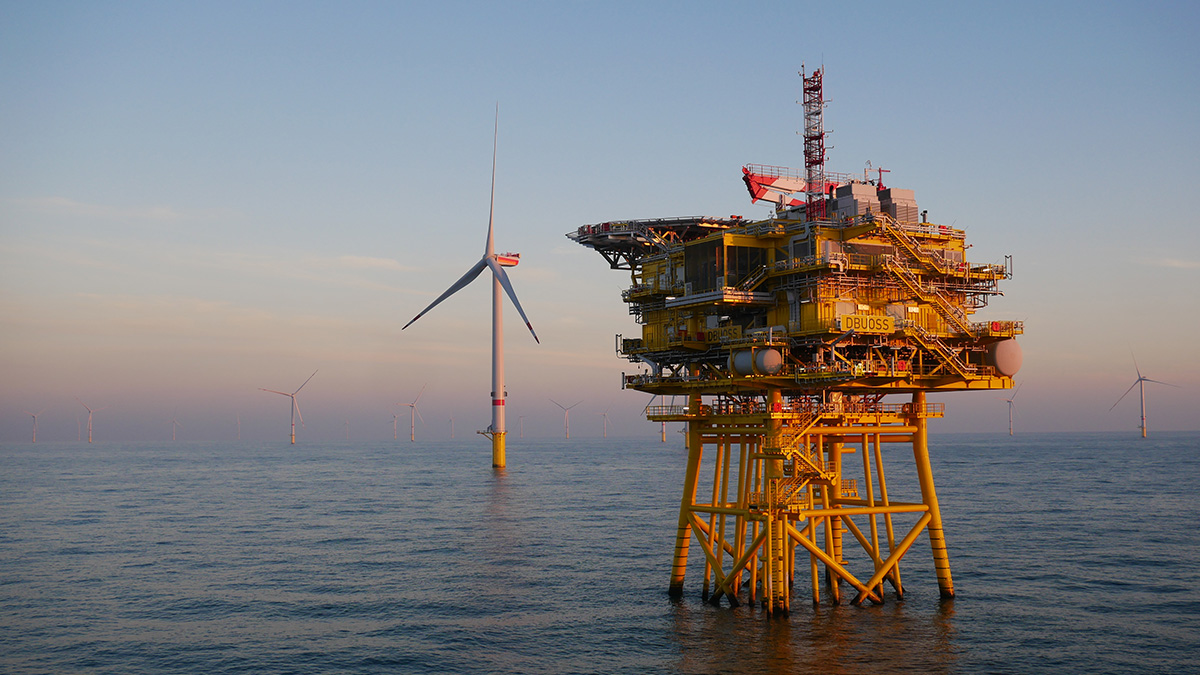
And, because onshore constraints are tightening, offshore wind could become a much larger part of Greece’s long-term energy strategy. The framework’s inclusion of maritime spatial planning is significant and international developers with offshore expertise may see this as a positive long-term signal despite tighter onshore rules.
The explicit inclusion of energy storage is highly important. That signals recognition that future renewable growth will increasingly depend on storage capacity and grid balancing rather than generation alone. The message from the government is clear: renewable expansion will no longer automatically override tourism and landscape priorities.
A major shift in the framework is the explicit coordination between renewable planning and tourism planning. For the European renewable sector more broadly, Greece may become an important example of how countries try to balance decarbonisation with biodiversity, tourism and land-use pressures.
Stricter exclusions for solar and wind projects
A central feature of the new framework is the introduction of broad exclusion zones for both photovoltaic and wind installations.
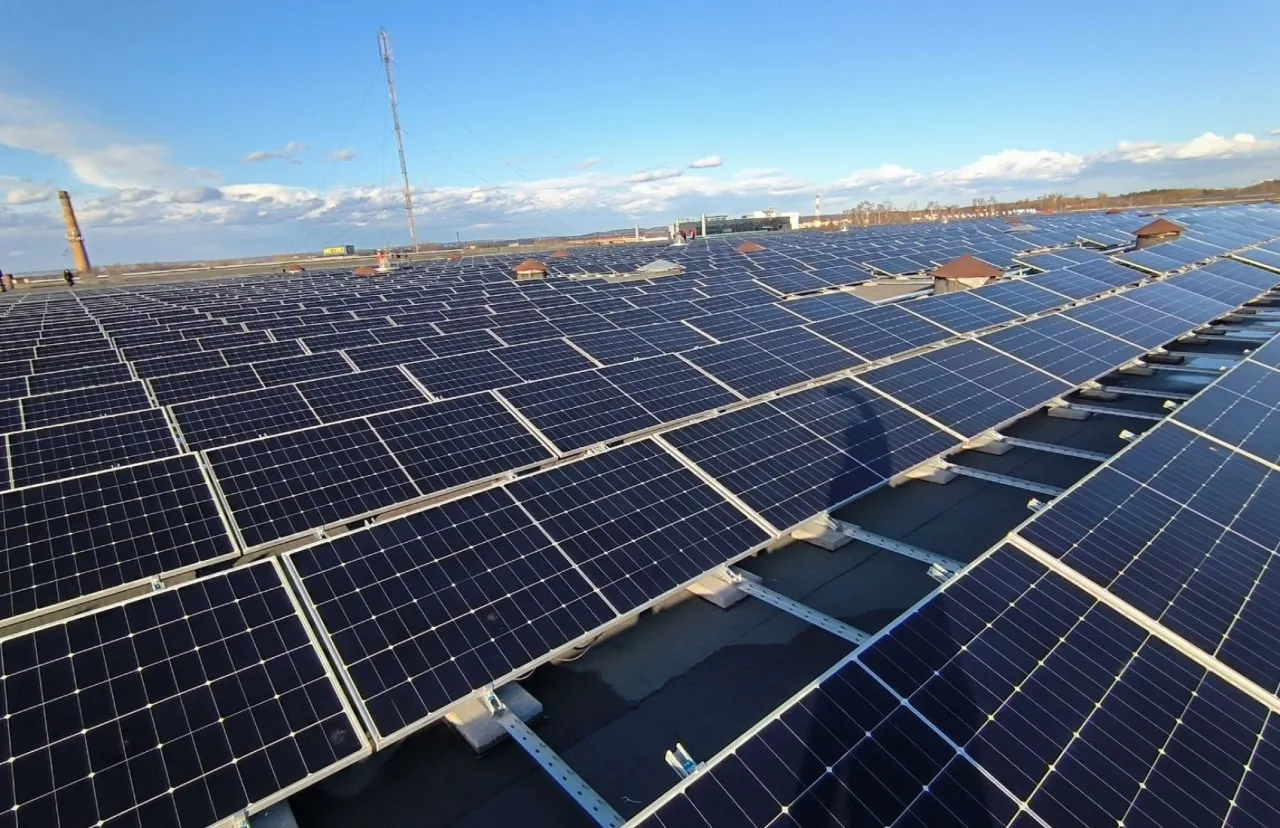
Under the proposed rules, new solar projects will no longer be permitted in Natura 2000 protected areas, forests, Ramsar wetlands, national parks, areas of exceptional natural beauty, protected archaeological zones and designated roadless areas. Restrictions will also apply near UNESCO World Heritage monuments and traditional settlements, where developers may be required to undertake specialised visual impact studies.
For wind energy, the framework introduces similarly stringent restrictions. Wind farms will be prohibited in the wider metropolitan areas of Athens and Thessaloniki, in areas above 1,200 metres altitude, in Ramsar wetlands, and across many protected landscapes and bird protection zones.
Particularly notable are the new rules affecting Natura 2000 Special Protection Areas (SPAs). Wind developments within these zones will only be permitted under exceptional circumstances, requiring both explicit approval through a Special Environmental Study and wind speeds exceeding 7.5 m/s.
The framework also limits wind farm development on smaller islands under 300 square kilometres, except where projects are intended to support critical public-interest infrastructure such as desalination plants.
Nationwide land-use caps introduced
For the first time, Greece is introducing national land coverage caps for renewable projects.
New photovoltaic developments that have not yet received environmental approval will be limited to a maximum of 1.5% land coverage per Regional Unit. In island regions, wind installations will be capped at 4% of the land area within each Municipal Unit.
The government says the measures are intended to prevent over-concentration of projects, reduce cumulative visual and environmental impacts, protect agricultural land and provide a more balanced geographical distribution of renewable investments.
Offshore renewables and energy storage included
The new framework also extends beyond traditional solar and onshore wind development.
For the first time, Greece is establishing integrated planning rules for offshore renewable energy projects, including offshore wind and marine photovoltaic systems, linking them to the country’s wider maritime spatial planning strategy.
The policy additionally incorporates energy storage infrastructure — including battery systems — into national spatial planning for the first time, alongside provisions for biomass, biogas, geothermal and small hydroelectric projects.
Greater coordination with tourism and industrial planning
A major structural change within the new policy is the simultaneous development of three interconnected national spatial frameworks covering renewable energy, tourism and industry.
According to the Ministry, this coordinated approach is designed to avoid the land-use conflicts and fragmented planning practices that have historically complicated infrastructure development in Greece.
The government argues that integrating energy planning with tourism and industrial policy will create a more coherent long-term development model and provide greater certainty for investors and local authorities alike.
Existing projects protected
Importantly for the market, the proposed framework does not apply retroactively to projects already operating or at advanced stages of licensing.
Projects that have already secured environmental approvals or formal acceptance of licensing documentation prior to the public consultation date will continue under the existing planning regime.
Large hydroelectric projects, pumped-storage systems and rooftop photovoltaic installations are also excluded from the scope of the new framework.
Consultation period underway
The draft framework has now entered a 35-day public consultation period during which municipalities, industry stakeholders, scientific bodies, local communities and citizens will be invited to submit comments and recommendations.
The government says the final framework forms part of Greece’s broader energy strategy through to 2050, aligned with the National Energy and Climate Plan, and aimed at strengthening the country’s role as a regional clean energy hub in South-East Europe.
Officials argue that the reforms provide Greece with a clearer and more predictable planning regime capable of accelerating renewable deployment while maintaining stronger environmental and cultural protections.
As renewable energy expansion increasingly intersects with biodiversity protection, tourism development and land-use pressures across Europe, Greece’s new framework may become an important case study in how governments attempt to reconcile rapid decarbonisation with spatial and environmental constraints.