
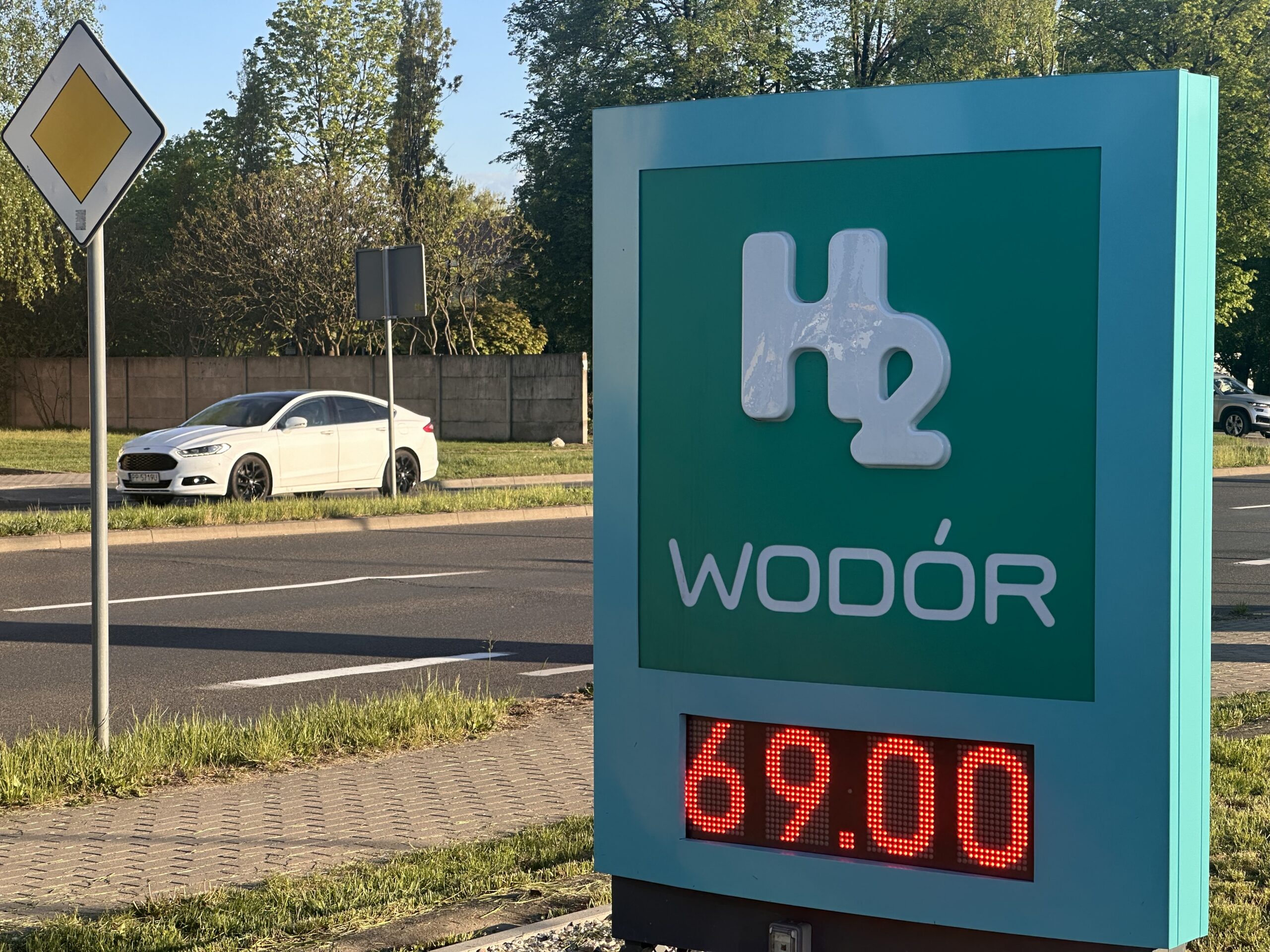


Poland is accelerating the development of its hydrogen mobility infrastructure through the “Clean Cities – Hydrogen Mobility in Poland” programme, one of Central and Eastern Europe’s largest hydrogen transport initiatives.
Led by ORLEN and supported through European Union funding mechanisms, the programme is focused on building a nationwide hydrogen ecosystem that includes production facilities, refuelling infrastructure and low-emission transport solutions for both public and private users.
The initiative forms part of the EU’s wider strategy to decarbonise transport and strengthen alternative fuel infrastructure along the Trans-European Transport Network (TEN-T). It is being developed in several phases under the Connecting Europe Facility (CEF) and the Alternative Fuels Infrastructure Facility (AFIF).
ORLEN expands hydrogen refuelling network
Most recently, ORLEN inaugurated its fifth publicly accessible hydrogen refuelling station in Poland, located in Piła in the Wielkopolska Province. The facility supports both the municipal bus fleet and private hydrogen vehicle users, becoming the region’s second hydrogen station after Poznań.
Under an agreement with the local municipal transport operator, ORLEN will supply approximately 219,000 kilograms of hydrogen to support the development of low-emission public transport in the region.
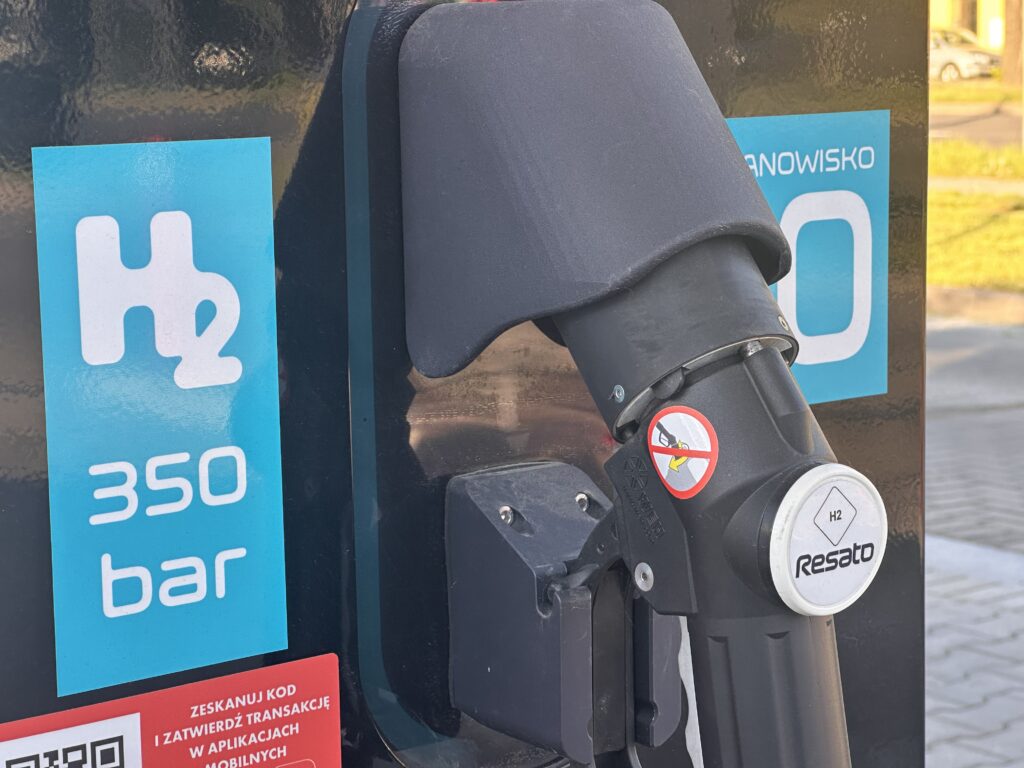
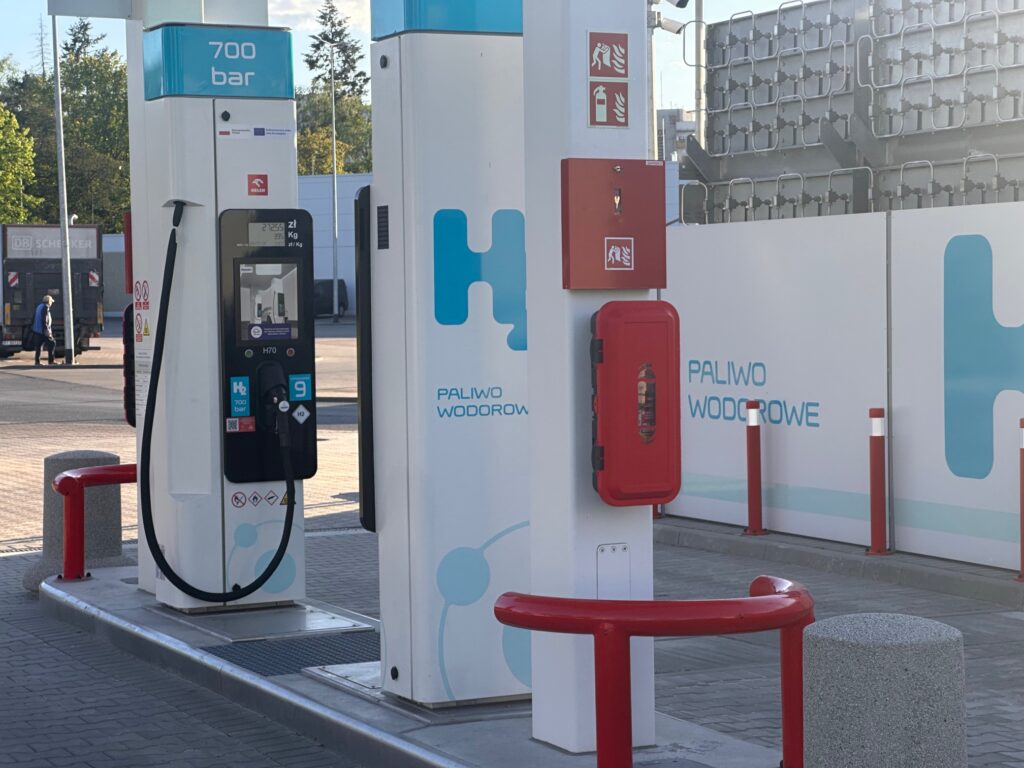
The station is equipped with two dispensers operating at 350 bar and 700 bar pressure levels. The facility has a daily refuelling capacity of 480 kilograms of hydrogen, enabling the servicing of up to 10 buses and 30 passenger cars per day. The station operates continuously and is open to the public 24 hours a day.
Jakub Lubiński, ORLEN’s Hydrogen Technology Department Director told The Voice of Renewables: “ORLEN sees significant potential in the use of hydrogen, particularly in public transport. The expansion of the hydrogen refuelling network not only responds to the growing needs of local governments, including the City of Piła, which is consistently pursuing zero-emission mobility, but also represents an important element in the implementation of our strategic objectives and another step towards building a modern hydrogen infrastructure.”
He added that the new station in Piła complements the company’s growing network and, together with the Poznań facility located approximately 104 kilometres away, creates the foundations for wider low-emission transport development across the region.
Supporting zero-emission public transport
The Piła hydrogen station supports the deployment of hydrogen-powered public transport vehicles within the city. Tadeusz Majewski, CEO of the Municipal Transport Company in Piła, described the opening as a major milestone for sustainable urban mobility.
“The purchase of the first five hydrogen buses, together with the development of supporting infrastructure, represents an investment in the future, passenger comfort and energy security,” he said. “It also constitutes a tangible contribution to environmental protection through reduced emissions and improved air quality.”
The hydrogen supplied to the station originates from ORLEN Group production facilities and the project was developed under Phase II of the Clean Cities – Hydrogen Mobility in Poland programme, which secured more than €2 million in funding through the CEF Transport Blending Facility.
National hydrogen infrastructure rollout
The Clean Cities initiative aims to establish a comprehensive hydrogen mobility network across Poland through the construction of public refuelling stations, hydrogen production hubs and logistics infrastructure supporting buses, passenger cars and future heavy-duty transport applications.
The programme initially included hydrogen stations in Poznań and Katowice, alongside mobile infrastructure in Włocławek linked to ORLEN’s hydrogen production operations. Subsequent phases expanded the network to cities including Warsaw, Kraków, Bielsko-Biała, Gorzów Wielkopolski and Piła.
The next stage of the initiative — Phase III — represents the largest expansion to date and includes plans for 16 additional hydrogen refuelling stations across key TEN-T transport corridors.
In 2024, ORLEN secured approximately €62 million in non-repayable EU funding to support this expansion, significantly accelerating hydrogen infrastructure deployment across the country.
The company is also developing additional stations in Gdynia, Płock, Bielsko-Biała and Gorzów Wielkopolski as part of its wider hydrogen strategy.
Poland strengthens hydrogen ambitions
ORLEN’s broader hydrogen roadmap includes the creation of a European network of hydrogen hubs powered by renewable energy sources as well as innovative waste-to-hydrogen projects designed to produce zero- and low-emission hydrogen.
The group plans to reach approximately 1 GW of electrolyser capacity by 2030. Combined with waste-to-hydrogen technologies, this is expected to enable annual production of more than 130,000 tonnes of renewable hydrogen by the end of the decade.
Public hydrogen refuelling stations operated by ORLEN are already active in Poznań, Katowice, Wałbrzych and Włocławek, with the network continuing to expand as Poland strengthens its position within Europe’s emerging hydrogen economy.
The development reflects growing momentum behind hydrogen mobility across Europe, particularly in regions seeking to decarbonise public transport, improve energy security and establish alternative fuel infrastructure capable of supporting future industrial and transport demand.
Author: Derek Michalski, Editor, The Voice of Renewables
EVENT ALERT: