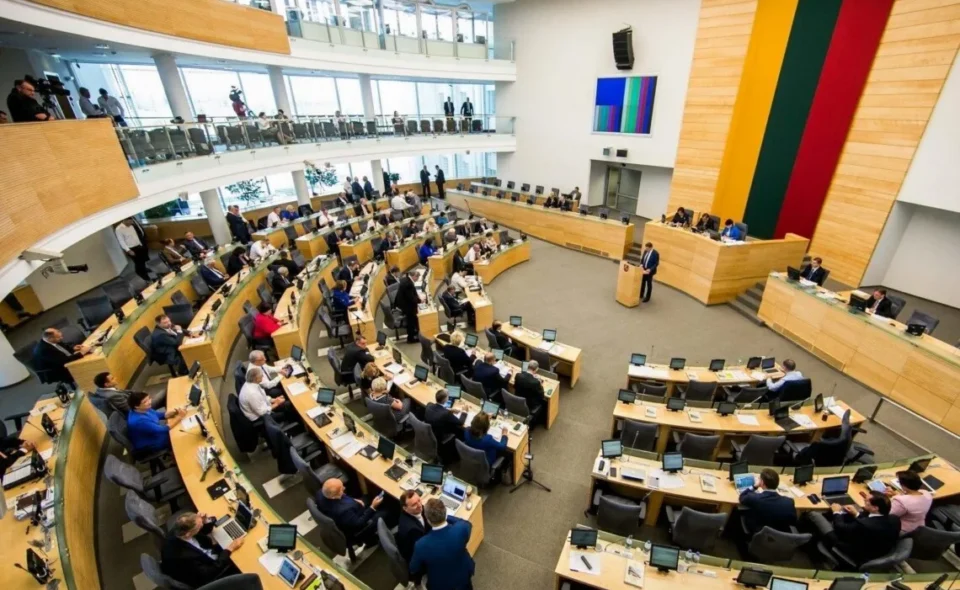
The Seimas voted 84 to 1, with 16 abstentions, on 24 September 2026 to amend three energy laws: the Law on Energy, the Law on Electricity and the Law on Renewable Energy Sources. The package doesn’t add a single subsidy. It gives developers more time, cheaper paperwork and a way out when a project no longer makes sense in the form it was first permitted.
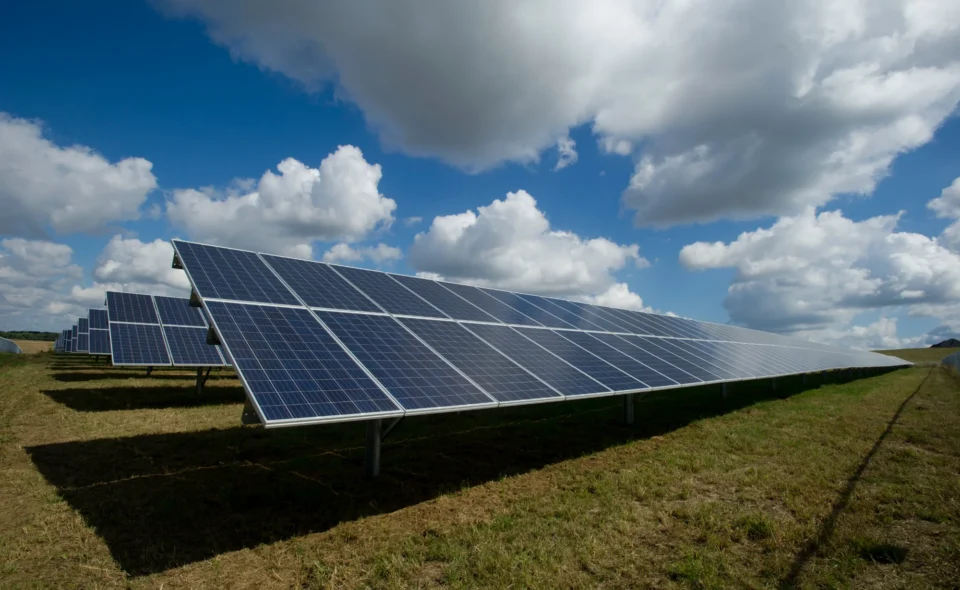
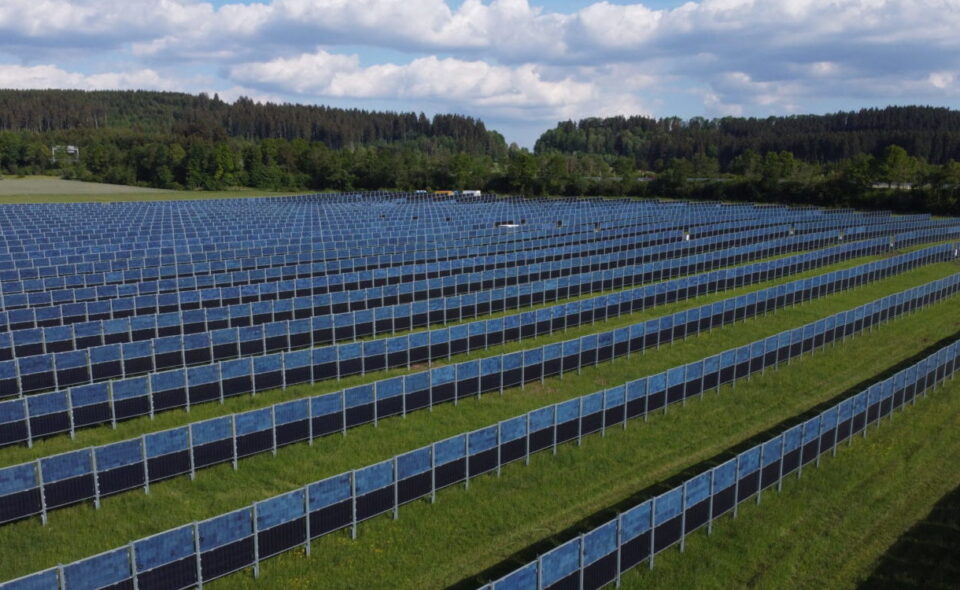
The Ministry of Energy is open about why. In its statement on the vote, it said new project development “is currently substantially slowed down”. Lithuania has built renewables quickly. The ministry says it had 6.5 GW installed by June 2026 and expects 7 GW by the end of the year. That success has pushed wholesale prices down in the sunniest and windiest hours, so projects that were bankable when their permits were issued are now harder to finance. When the government approved the draft in June, the ministry named exactly this: a much larger pipeline of solar and wind projects at a time of falling electricity prices, which together threaten the projects’ economics.
Four more years, or a different project
The main measure is a one-off extension. A developer holding a valid permit to develop generation capacity can extend it once, by up to 48 months, if it posts an additional bank guarantee. Presenting the bill to parliament in June, Energy Minister Žygimantas Vaičiūnas said projects were “developing slower than desired”. He said the changes would give developers flexibility and more time, and would free up unused grid capacity for others.
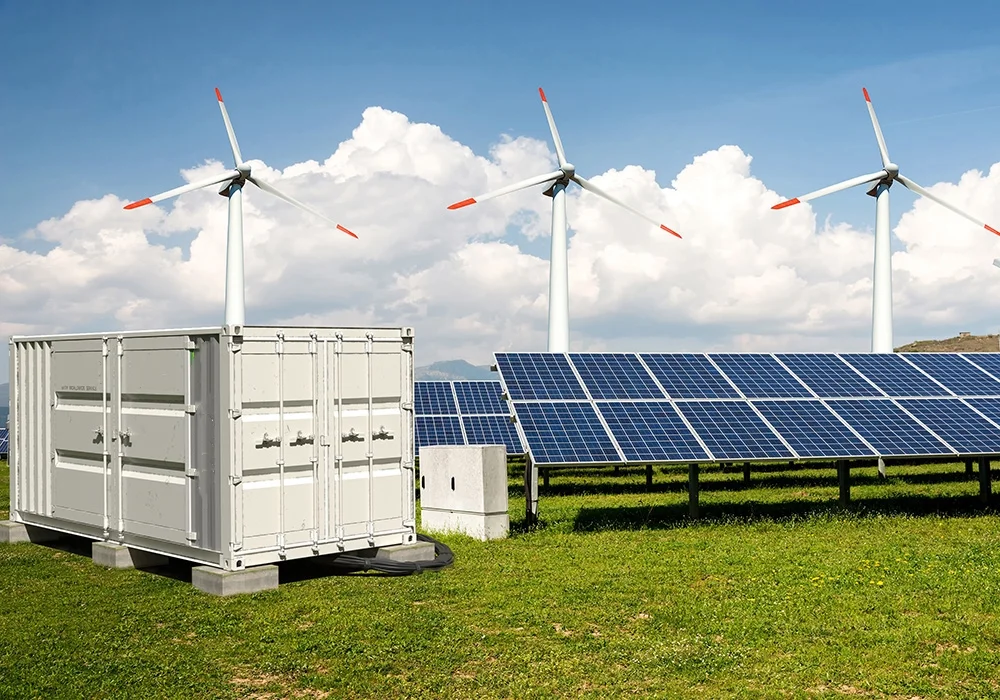
The second option is arguably more interesting. Developers can switch technology, or swap a planned power plant for a storage facility or a project that consumes electricity. They have one year to decide. In effect, the government is admitting that Lithuania is now short less of generation than of places to use it. Storage is already the fastest-moving part of the market, and the ministry expects 1.3 GW of it by the end of 2026, ahead of its 1.5 GW target for 2028.
Developers also get a direct cost cut. The performance guarantee paid to grid operators falls from €50 to €25 per kilowatt, and guarantees already paid will be recalculated. On a 100 MW project, that frees up €2.5 million of capital. The government estimated that the package’s administrative simplifications would save around €16 million in total.
Small projects lose their paperwork
From 1 November 2026, renewable energy communities and citizen energy communities planning installations of up to 100 kW will no longer need permits, either to develop capacity or to generate electricity. These are typically shared solar “prosumer parks”, where members buy a share of a remote installation instead of putting panels on their own roofs.
The law also fixes a practical problem with the generation levy that large power plants pay to local communities. The money will now be paid to individuals based on their declared place of residence, not per household. The ministry’s draft specified residents living within 1.5 km of a plant. The change applies to levies collected in 2026 and paid out in 2027.
Spare transformers and direct lines
A less visible part of the package deals with physical resilience. From 1 November, electricity and gas network operators must keep reserves of critical equipment, materials and spare parts so they can restore supply quickly after an accident, sabotage or a cyber incident. After the run of suspected attacks on Baltic Sea cables and pipelines since 2023, this is not a theoretical concern. Operators can also use the same reserves to connect large investment projects faster, so a manufacturer that would otherwise wait months for a transformer can be connected sooner.
Revised rules on direct lines are meant to make such links more attractive. A direct line is a private connection from a generator straight to a large consumer, which bypasses part of the public network.
Enforcing EU rules
The final set of changes makes EU legislation enforceable in Lithuania. The law sets penalties for breaking the EU’s methane emission rules and for breaching the ban on Russian gas imports. The Council adopted the EU regulation phasing out Russian gas in January 2026. It bans LNG imports from the start of 2027 and pipeline gas from autumn 2027. It also requires member states to fine companies at least €40 million, or 3.5% of worldwide turnover if that is higher. Lithuania stopped importing Russian gas in 2022, so in practice the ban changes little, but the penalties still had to be written into national law.
The package also sets out who does what under the EU network code on cybersecurity for cross-border electricity flows. The work is split between the National Energy Regulatory Council (VERT), the Lithuanian Energy Agency and the National Cyber Security Centre.
What it won’t fix
The amendments are useful, but they only treat symptoms. Extending a permit keeps a project alive without making it profitable. There is also an obvious risk that some developers will use the extra 48 months simply to hold on to grid capacity. The additional guarantee is the ministry’s answer to that.
The real test is whether the one-year window to convert projects produces a wave of battery and demand-side projects that absorb Lithuania’s midday solar surplus. If it does, the extended wind and solar projects should become easier to finance. If not, the Seimas will be dealing with this again in four years.