



Greece has long been synonymous with shipping. Greek shipowners control the largest merchant fleet in the world, with around 5,700 vessels — representing 20% of global tonnage and 61% of the EU fleet. Dominant in tankers and LNG carriers, and a major player in bulk and container shipping, the Greek maritime sector generates an estimated $40 billion in global revenue each year, contributing roughly $14 billion to the domestic economy and supporting over 150,000 jobs.
But while the industry is a pillar of national prosperity, it also faces a defining challenge: decarbonisation. The global maritime sector is responsible for nearly 3% of greenhouse gas emissions, and with the International Maritime Organization (IMO) tightening targets, the pressure to act is mounting. For Greece, the question is no longer if it will decarbonise, but how — and how fast.
Preparing for the next edition of the annual Future Energy Forum Greece, The Voice of Renewables looks at how Greek energy and maritime industries can mutually benefit form new opportunities and what challenges need to be tackled Greece to take full advantage of green transition.
A New Era of Energy and Industry Transformation
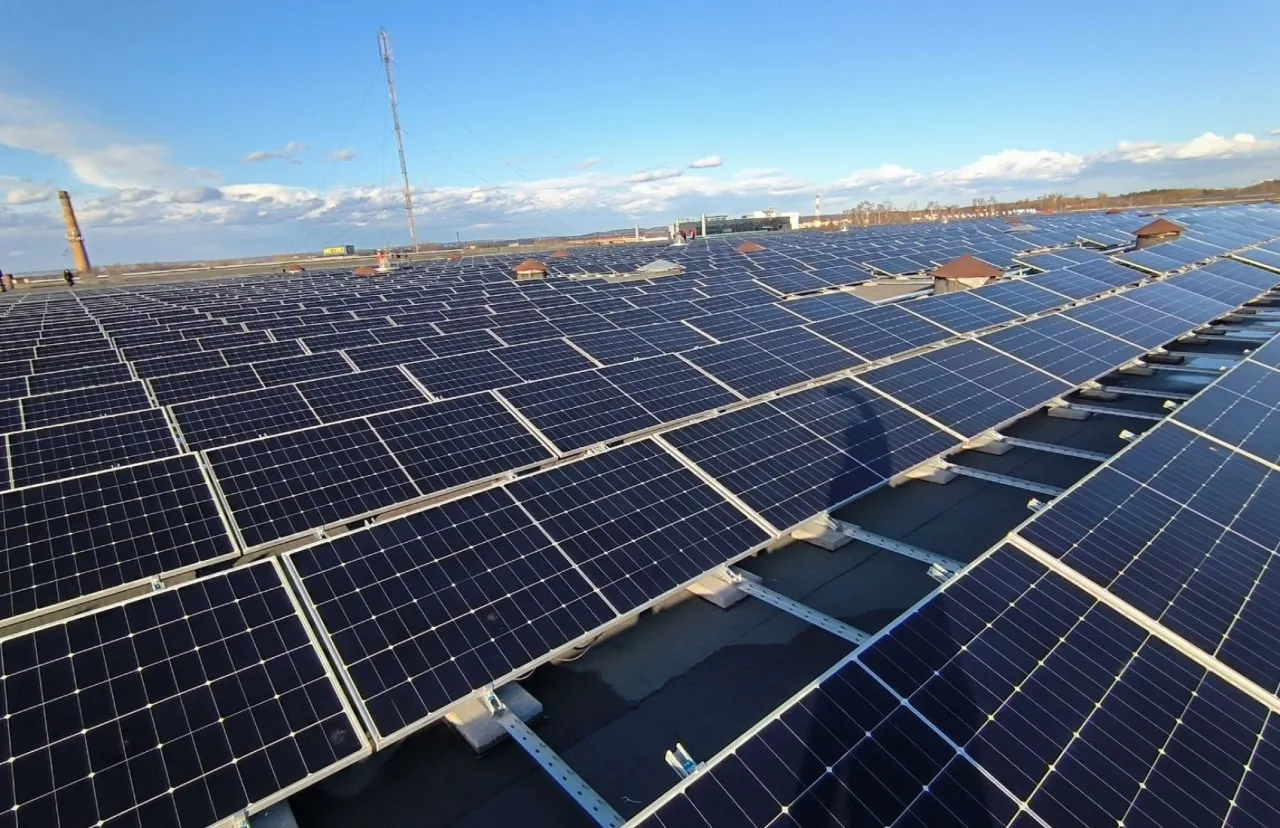
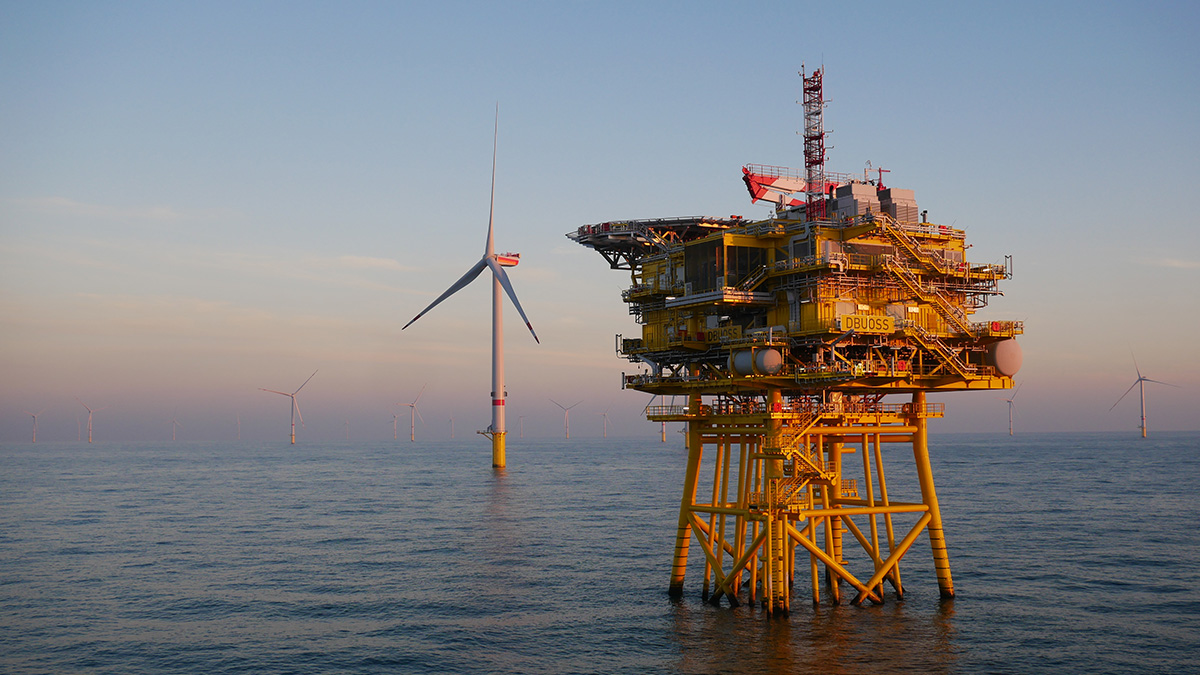
Decarbonisation offers Greece a strategic opportunity to reinforce its global maritime leadership while transforming its domestic energy system. The country’s National Energy and Climate Plan (NECP) commits to reducing greenhouse gas emissions by 55% by 2030 and reaching net zero by 2050. To do so, Greece is expanding its renewable power base — with wind and solar now providing more than half of electricity generation on certain days — while phasing out lignite and investing heavily in hydrogen, electrification, and energy efficiency.

Industrial decarbonisation is central to this strategy. The Heracles Group (part of Holcim) is leading one of Europe’s flagship carbon capture initiatives, the OLYMPUS CCS project at its Milaki cement plant in Evia. The project aims to capture one million tonnes of CO₂ per year, effectively turning the facility into a zero-carbon cement plant. Meanwhile, TITAN Cement has invested over €26 million to upgrade its Kamari plant near Athens, cutting emissions by 150,000 tonnes annually through digitalisation, process efficiency, and the use of waste-derived fuels.
Such initiatives, supported by the EU Innovation Fund and Greece’s Recovery and Resilience Facility, demonstrate that decarbonisation and competitiveness can go hand in hand — and that Greece’s heavy industries are positioning themselves for a low-carbon future.
Ports as Energy Hubs
Greece’s ports are the natural bridge between the energy transition and maritime decarbonisation. The government’s €585 million Port Upgrade Plan includes 21 projects aimed at enhancing sustainability and connectivity. Central to this is the rollout of cold-ironing (shore-side electricity) systems, allowing ships to plug into onshore power while berthed, cutting both carbon and air pollutant emissions.
By 2029, 23 Greek ports are expected to have operational shore power facilities, including Piraeus, Lavrio, Rafina and Kavala. Studies at Piraeus have already identified nine berths suitable for cold-ironing installations serving passenger ferries and cruise ships. According to Greece’s energy roadmap, shore-power consumption could reach 0.6 TWh annually by 2050.
This initiative does more than clean the air — it redefines ports as multi-energy hubs, integrating renewable electricity, hydrogen production, and potentially ammonia bunkering. The same green electrons powering Greece’s industrial base could soon be fuelling its ships.
Shipping Innovation and Collaboration
Greek shipping companies are not standing still. Several industry leaders have already embarked on major decarbonisation collaborations.
In 2023, the Global Centre for Maritime Decarbonisation (GCMD) signed an Impact Partnership with Olympic Shipping & Management SA, marking the first Greek shipowner to join the initiative. The partnership focuses on trials for low-carbon fuels and onboard carbon-capture technologies.
At the same time, Lloyd’s Register and a group of leading Greek shipowners, including Star Bulk and Thenamaris, have launched the Maritime Emissions Reduction Centre (M-ERC) in Athens to accelerate applied research and advisory work in emission-reduction technologies.
Meanwhile, Ascenz Marorka (part of France’s GTT Group) has partnered with Piraeus Marine Services to deliver advanced fleet-management and digital decarbonisation tools across Greek shipyards. On the human capital front, the METAVASEA project, funded by the Lloyd’s Register Foundation, is retraining over 1,500 maritime professionals and port workers in digitalisation, clean fuels and sustainability practices — a crucial step in ensuring a just and inclusive transition.
Greece’s Plan to Electrify Twelve Major Ports by 2029
Greece is taking a major step towards decarbonising its maritime sector with an ambitious plan to install cold ironing systems at twelve key ports by 2029, including renowned destinations such as Mykonos, Santorini, and Rhodes. Cold ironing, also known as shore power, allows docked vessels to connect directly to the local electricity grid rather than relying on onboard generators, dramatically cutting emissions and improving air quality in port cities. This initiative forms part of Greece’s wider commitment to align with European Union environmental targets and to position its ports as leaders in sustainable tourism and transport. By enabling ships to “plug in” while berthed, Greece aims to reduce pollution, modernise port infrastructure, and enhance the appeal of its coastal destinations to environmentally conscious travellers.
The project, led by the Ministry of Maritime Affairs and Insular Policy in collaboration with the Hellenic Electricity Distribution Network Operator (HEDNO), will equip ports including Patras, Kalamata, Kavala, Corfu, Mytilene, and Chania, alongside island ports such as Naxos, Paros, Skyros, Syros, and Chios. The inclusion of high-traffic tourist hubs highlights the government’s determination to address the environmental footprint of cruise ships and ferries while meeting the EU’s requirement for shore power across the Trans-European Transport Network by 2030. Seven feasibility studies have already been completed for major ports including Piraeus, Thessaloniki, and Heraklion, ensuring that technical and financial frameworks are in place for large-scale implementation. Beyond reducing emissions, the initiative will help lower operating costs for shipping companies and increase the competitiveness of Greek ports within the European and global maritime markets.
This electrification drive is part of a broader national strategy to transform Greece’s energy and transport systems in line with the EU Green Deal and the goal of achieving carbon neutrality by 2050. Alongside port upgrades, Greece is investing in modernising its coastal fleet and developing new low-emission ferries to improve connectivity between its islands and the mainland. These measures not only support the nation’s sustainability objectives but also demonstrate Greece’s commitment to leading the Mediterranean’s transition towards clean maritime practices. By integrating green technologies across its ports and vessels, Greece is setting a powerful precedent for sustainable growth — protecting its marine environment, strengthening its economy, and securing its place as a frontrunner in Europe’s maritime decarbonisation journey.
Building the Green-Blue Nexus
The alignment between Greece’s energy transformation and maritime innovation is creating a powerful “green-blue nexus”. As renewables, hydrogen and carbon-capture technologies mature, they will increasingly serve dual roles — decarbonising both land-based industry and sea-based transport.
Ports can act as gateways for this integration: hubs that store, convert, and distribute clean energy for ships, industry and local communities. In Western Macedonia, Thessaloniki and Patras, emerging industrial clusters are exploring synergies between manufacturing, logistics and clean-fuel supply. Together, these could position Greece as a regional decarbonisation hub for the Eastern Mediterranean, connecting European green energy flows with global maritime trade.
Challenges and Opportunities
Realising this vision will not be without obstacles. Infrastructure investment — in grids, port electrification, hydrogen production and CO₂ storage — must accelerate. Regulatory clarity and incentives will be vital to encourage first-mover projects. Smaller ports and shipping firms will need tailored financial and technical support to avoid being left behind.
Yet Greece possesses unique advantages: an extensive port network, world-leading shipping expertise, abundant renewable resources and a strong industrial base. By aligning its maritime heritage with its clean-energy future, Greece can both secure its competitiveness and help drive global decarbonisation efforts.
Conclusion: A Course Towards Sustainable Leadership
Greek shipping has always been about more than commerce — it represents adaptability, endurance and vision. The next phase of that story will be written not only on the seas but also in the power plants, ports and industrial clusters that underpin them.
By harnessing the synergies between its energy production, industrial decarbonisation, and maritime innovation, Greece is positioning itself as a global leader in the green transition. The challenge is significant, but so is the opportunity: to transform the nation’s most historic industry into the clean engine of its economic future.
EVENT ALERT: