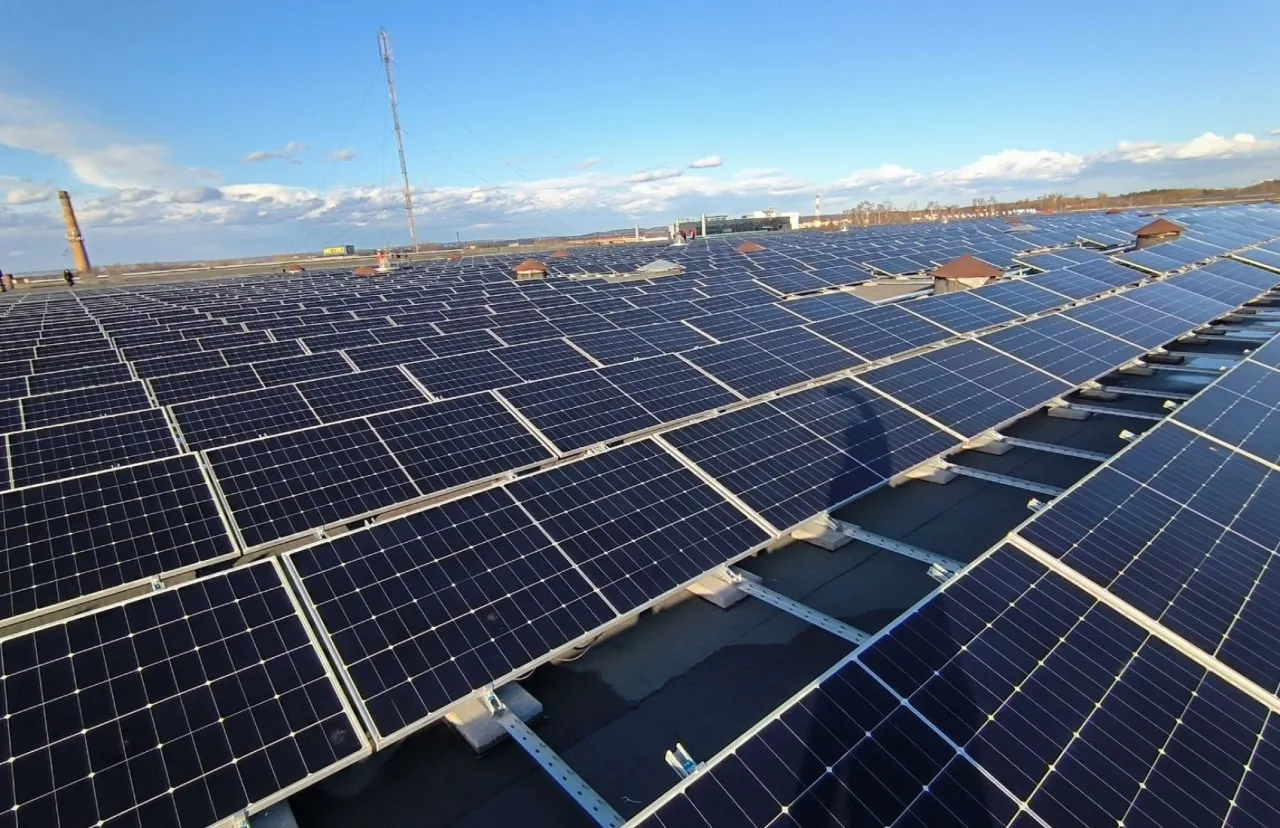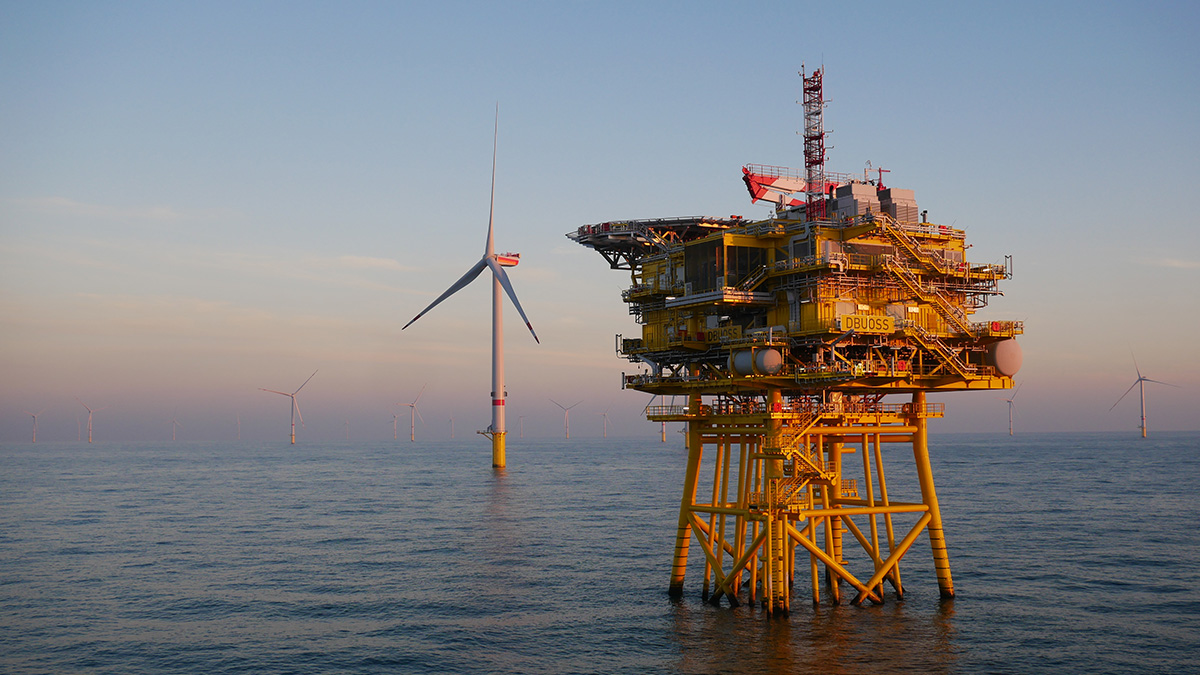




The UK government has announced a major initiative to boost the clean energy workforce, aiming to create 400,000 new jobs by 2030. The move is part of a broader strategy to double employment in renewable energy—across wind, solar, and nuclear—from 430,000 to 860,000 within five years.
Plumbers, electricians, and welders are among 31 key roles identified as being in high demand. The government says these occupations will be critical to delivering a low-carbon future and reducing household energy bills.
Speaking on the BBC’s Sunday with Laura Kuenssberg, Energy Secretary Ed Miliband said the jobs drive would not only cut emissions but help “get bills down for good.” He also reaffirmed Labour’s pledge to lower energy bills by £300 a year by 2030, despite a recent 2% increase in the Ofgem price cap pushing average household bills to £1,755 annually.
As part of the plan, five new “technical excellence colleges” will be launched to equip workers with clean energy skills. The Department for Energy Security and Net Zero (DESNZ) confirmed £2.5 million in funding for pilot projects in Cheshire, Lincolnshire, and Pembrokeshire.
The government will also roll out specialised programmes to help groups such as military veterans, oil and gas workers, ex-offenders, school leavers, and the unemployed transition into clean energy roles. Up to £20 million will be made available—jointly funded by the UK and Scottish governments—for retraining workers from the fossil fuel industry.
One initiative will connect veterans to roles in solar panel installation, wind turbine manufacturing, and nuclear power. Meanwhile, major projects like the Sizewell C nuclear plant in Suffolk are expected to generate 10,000 new jobs alone. The Siemens wind turbine facility in Hull, described as “booming” by ministers, already employs hundreds.
Unite the union welcomed the announcement, stressing that “well-paid, secure work must be at the heart of any green transition.” Other industry voices echoed that sentiment.
Work and Pensions Secretary Pat McFadden said the plan would “unlock real opportunities” and provide the training needed for long-term career success.
Ed Miliband added:
“Our plans will bring a new generation of good industrial jobs to communities across the UK. Thanks to our clean energy strategy, young people in our industrial heartlands won’t need to leave their hometowns to find decent work.”
According to DESNZ, average salaries in the clean energy sector exceed £50,000, significantly higher than the UK average of £37,000.
However, Shadow Energy Secretary Claire Coutinho expressed concern over the costs of the net-zero target.
“We have the most expensive electricity in the world. Thousands of jobs are being lost in the North Sea and in industry. We need to bring electricity costs down.”
Christina McAnea, general secretary of Unison, said the plan could help build a highly skilled and fairly paid UK workforce.
“Extra support for apprenticeships and young people is essential if the UK is to secure a clean and sustainable energy future,” she said.
Energy UK CEO Dhara Vyas also welcomed the move, calling it “a critical step forward” in developing the talent needed to power the UK’s future energy system.