


Independent renewable energy company Qair has obtained the construction permit for its 20 MW/44 MWh Battery Energy Storage System (BESS) project in Fuchsstadt, Germany. This milestone marks a significant step in Qair’s commitment to enhancing grid resilience and supporting Europe’s clean energy transition through flexible, storage-enabled infrastructure. Construction is set to begin in spring 2026, with grid connection and commissioning expected later this year.
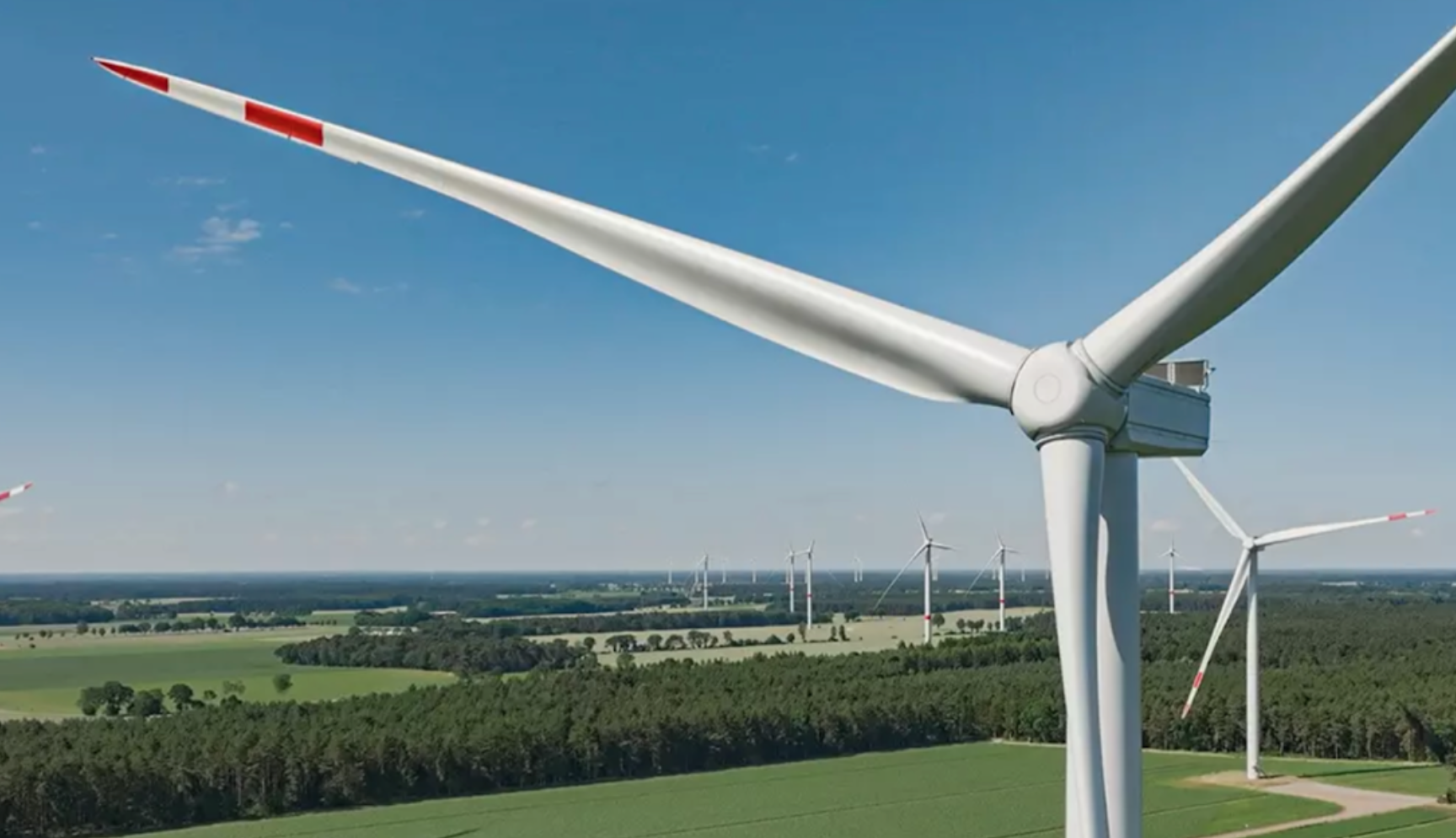
As the first project of its kind in the Bad Kissingen district, the Fuchsstadt BESS represents a flagship project for the region, where Qair has been operating a wind farm since 2023.
With a power capacity of 20 MW and 44 MWh of storage, the system will provide enough electricity to power approximately 4,000 four-person households for a full day, enhancing regional energy security while supporting the integration of intermittent renewable energy sources into the local grid.
The Fuchsstadt project builds on Qair’s expanding portfolio of energy storage solutions across Europe. Earlier in 2025, Qair secured two 100 MW / 400 MWh energy storage projects in Poland, followed by planning consent for a 342 MW BESS facility in South Lanarkshire, Scotland, and a 49.9 MW standalone BESS in Aberdeenshire, Scotland. In France, Qair also obtained construction permits for two storage projects totalling more than 100 MW.
Europe’s storage capacity is rapidly expanding, driven by the need for grid balancing and improved security of supply. According to the European Market Monitor on Energy Storage (EMMES 9.0), the continent’s total storage capacity is expected to grow from 89 GW in 2024 to over 200 GW by 2030. Qair’s projects position the company as a key player in this transition.