
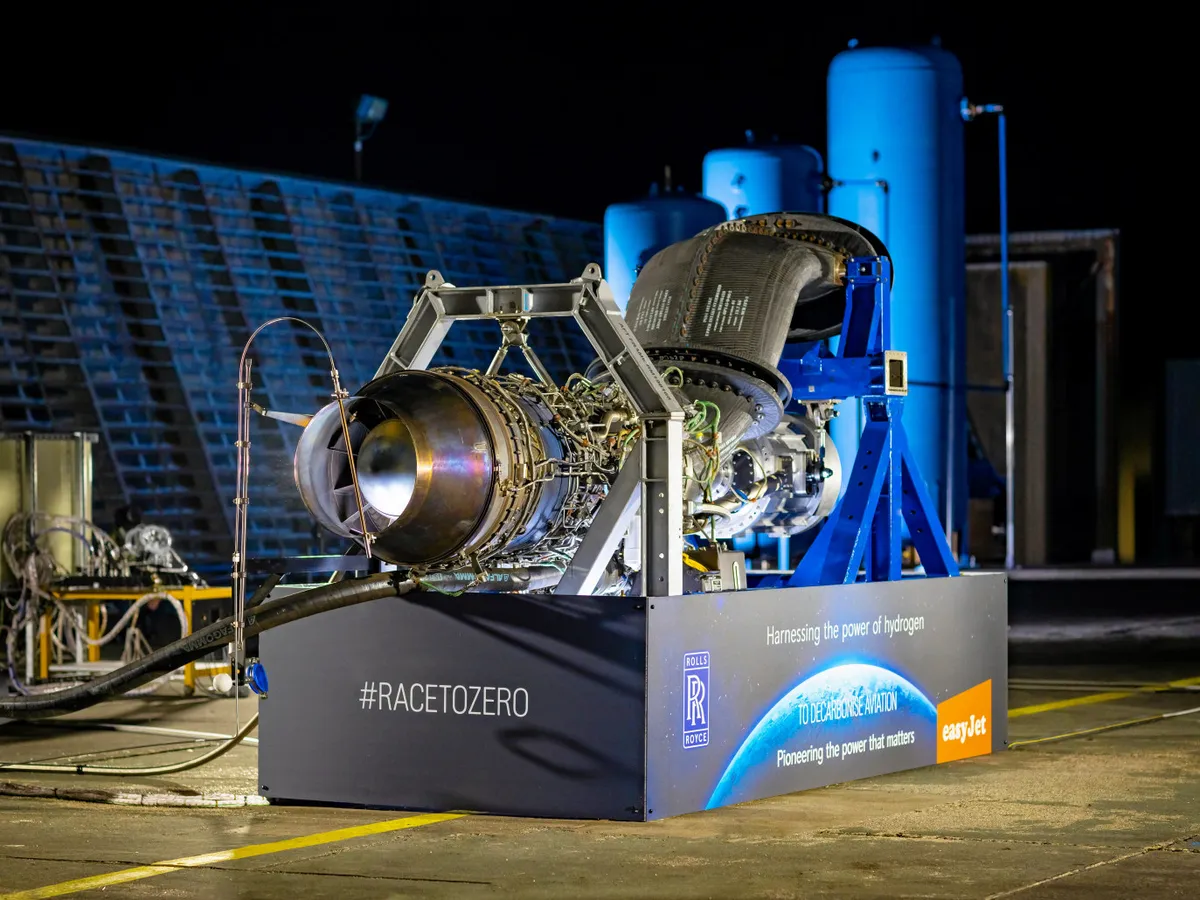


Rolls-Royce has successfully operated a jet engine at full take-off power using 100% hydrogen fuel, marking a significant milestone in the development of low-carbon aviation technologies and providing new insights into the future role of hydrogen in aircraft propulsion.
The achievement was delivered through a collaborative research programme involving Rolls-Royce and scientists from the UK’s Health and Safety Executive (HSE), with the test campaign designed to assess not only hydrogen combustion but also the performance of fuel delivery, control and safety systems under realistic operating conditions.
According to Rolls-Royce, the programme represents the first time a jet engine has reached full take-off thrust using hydrogen as its sole fuel source. The testing campaign also evaluated engine performance across a complete simulated flight cycle, including a range of operating and fault conditions.
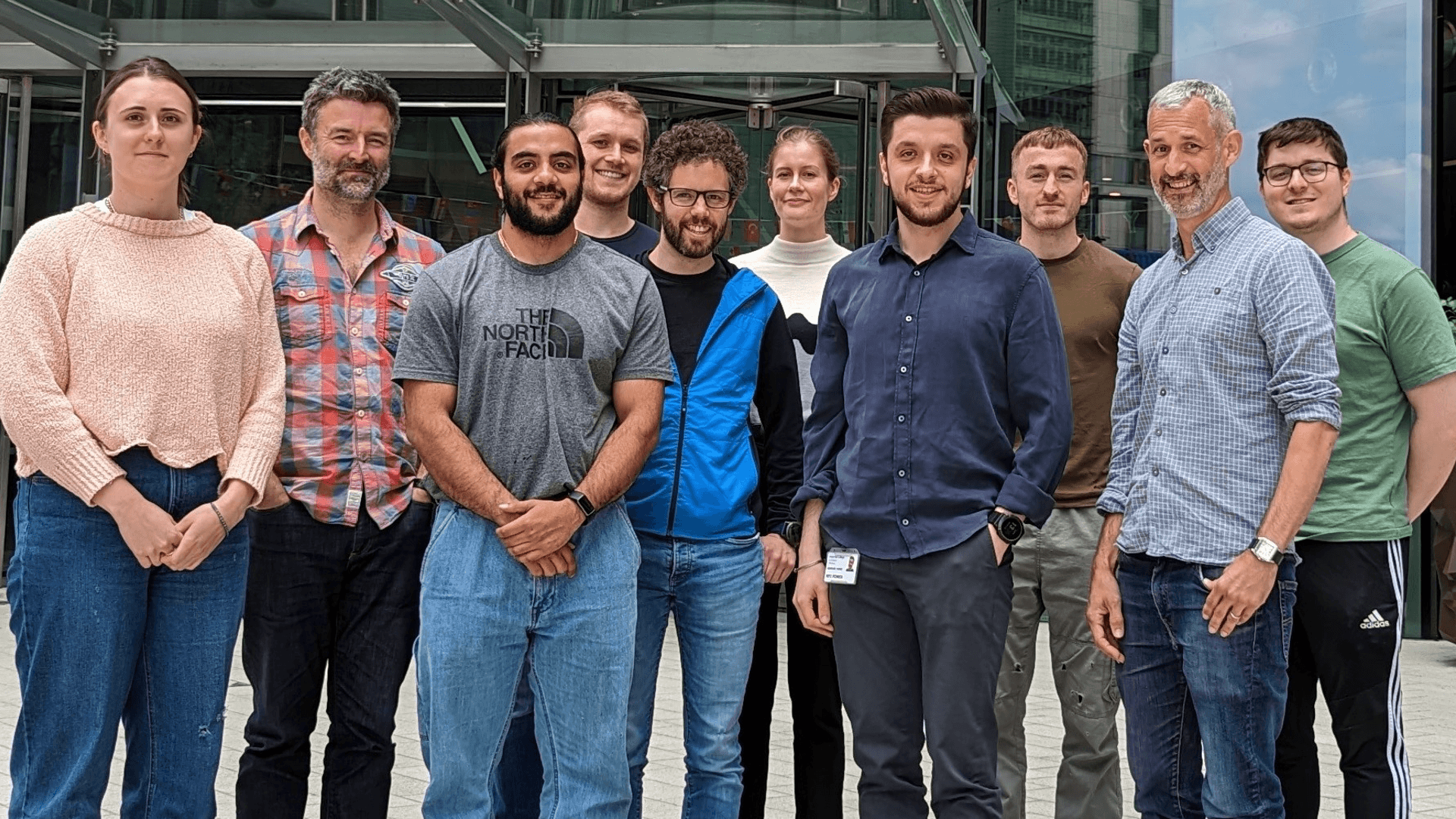
The work was conducted under the Engine GH2 test programme, with support from HSE’s specialist hydrogen research team based at the organisation’s Science and Research Centre in Buxton. Researchers worked alongside Rolls-Royce engineers to develop the high-flow, high-pressure hydrogen control and monitoring systems required to safely conduct the tests.
A central objective of the programme was to understand how hydrogen behaves within a modern aero gas turbine across the full range of operational conditions encountered during flight.
Adam Newman, Chief Engineer of the Hydrogen Demonstrator Programme at Rolls-Royce, said the testing campaign had generated unprecedented data on hydrogen-powered aviation systems.
“This programme has given us the clearest understanding in the industry of how hydrogen behaves in a modern aero gas turbine,” Newman said. “Through a collaborative, staged testing approach, we have validated combustion, fuel and control system technologies, and demonstrated the safe use of hydrogen through design, commissioning, maintenance and testing.”
The programme extended well beyond demonstrating ignition and combustion, with engineers evaluating system performance during a complete flight profile as well as under a range of fault scenarios.
“We have explored a wide range of operating conditions, including fault scenarios, enabling operation at maximum power and across a full flight cycle,” Newman said.
He added that the lessons learned would influence future Rolls-Royce engine development programmes, including the company’s UltraFan technology demonstrator.
“The pace of delivery has been critical, and the insights gained, many of which are fuel agnostic, will now be applied across our future programmes, including UltraFan, strengthening our confidence that the gas turbine will remain at the forefront of sustainable aviation’s future.”
The project also highlights the increasingly important role of safety engineering in the development of emerging hydrogen technologies. HSE researchers supported the programme through detailed safety assessments and by drawing on more than two decades of experience working with hydrogen systems across a range of industrial sectors.
The agency has previously collaborated with major aerospace manufacturers, including Rolls-Royce and Airbus, on projects supporting the UK’s industrial growth and decarbonisation objectives.
As governments, airlines and aerospace manufacturers continue to explore pathways towards net-zero aviation, the successful full-power hydrogen test provides a significant technical milestone. While substantial challenges remain before hydrogen-powered commercial aircraft become a reality, the programme offers valuable evidence that hydrogen-fuelled gas turbines could play a role in the future of sustainable aviation.
The results are expected to inform future research into hydrogen propulsion systems and support wider industry efforts to reduce emissions from one of the world’s most difficult sectors to decarbonise.