
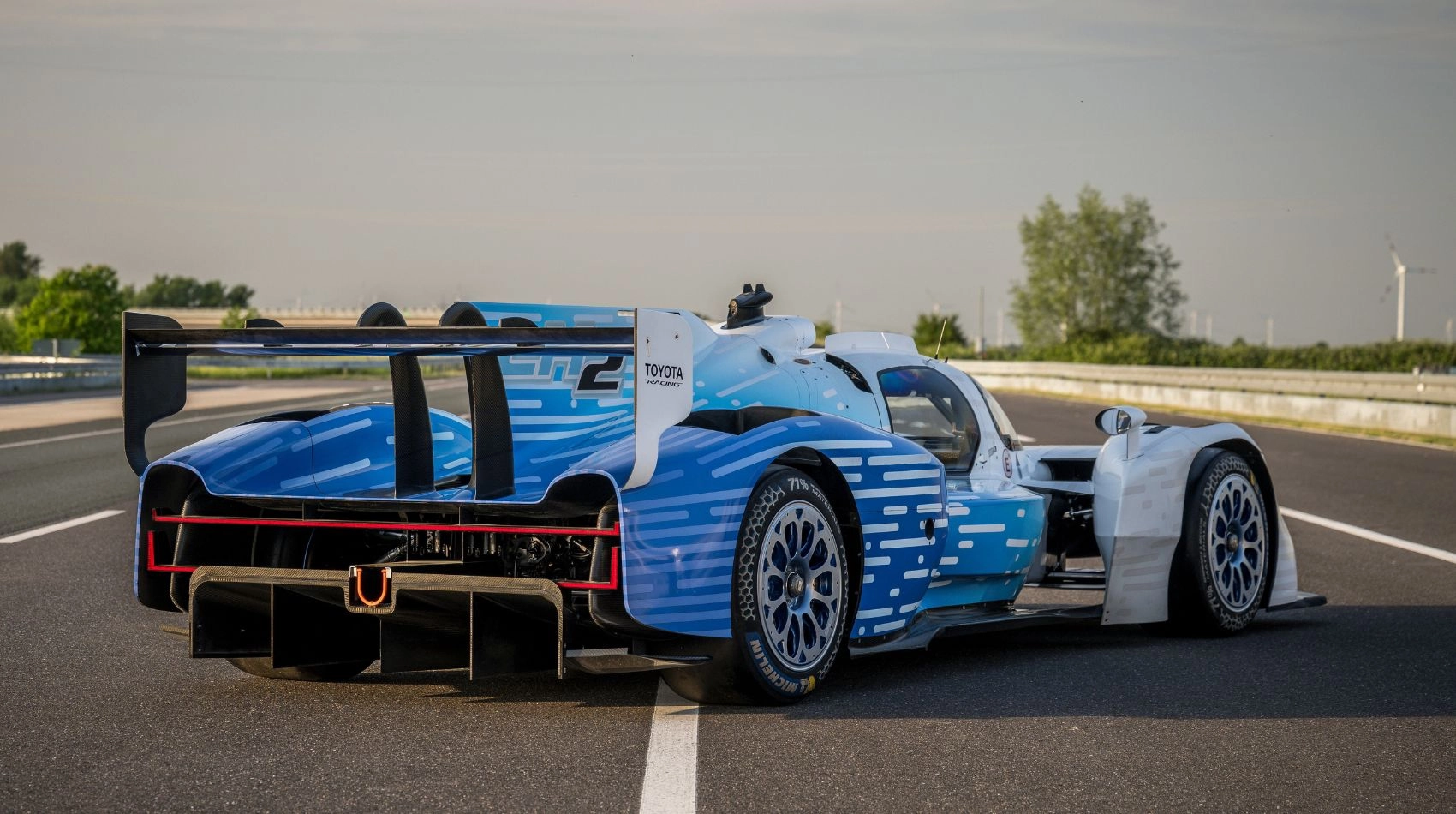


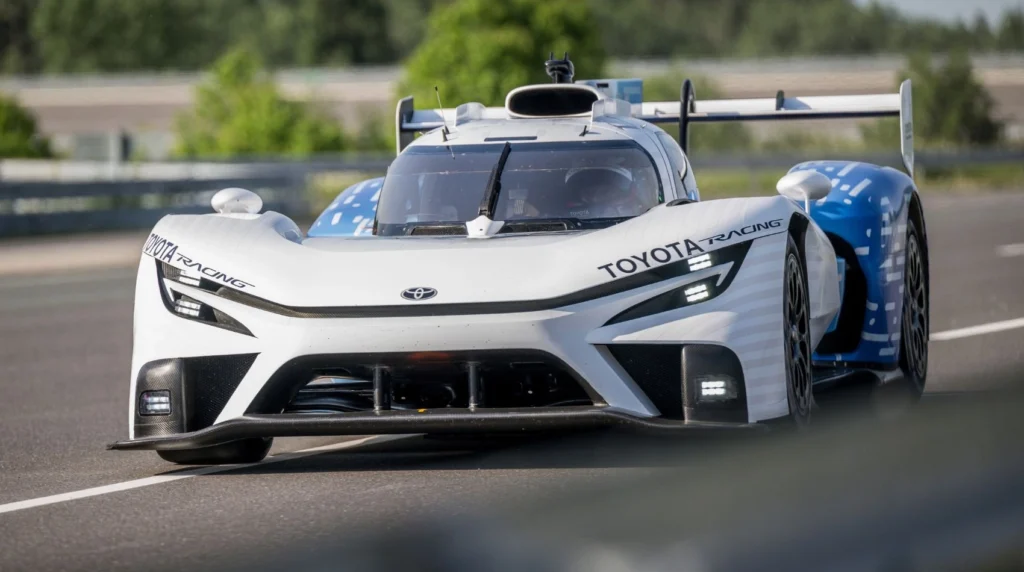
Toyota Gazoo Racing has unveiled a significant new chapter in its hydrogen mobility programme with the public debut of its TR LH2 Racing Prototype ahead of the 2026 24 Hours of Le Mans. The vehicle represents the latest step in Toyota’s efforts to demonstrate the viability of hydrogen as a low-carbon fuel for high-performance applications, while supporting wider ambitions for transport decarbonisation.
The TR LH2 Racing Prototype has been developed as a technology demonstrator rather than a competitive race entry. Built on Toyota’s Hypercar platform, it evolves the GR H2 Racing Concept first revealed in 2023 and serves as a testbed for liquid hydrogen-powered combustion technology under the demanding conditions of endurance motorsport.
At the heart of the prototype is a hydrogen-fuelled internal combustion engine supplied by a liquid hydrogen storage system. While Toyota has yet to release detailed performance specifications, the project’s primary objective is technology development rather than outright racing performance. The programme aims to validate hydrogen combustion systems in real-world conditions and showcase their potential as a future low-carbon propulsion solution.
The debut follows several years of hydrogen-focused motorsport development by Toyota, including hydrogen-powered internal combustion engine programmes in domestic racing series and experimental rally applications. By bringing the technology to Le Mans, one of motorsport’s most prestigious and technically demanding events, Toyota is providing a high-profile platform to assess the capabilities of hydrogen under sustained high-load operating conditions.
The demonstration forms part of Toyota’s broader multi-pathway approach to achieving carbon neutrality. Alongside battery-electric and hybrid technologies, the company views hydrogen as a key component of a diversified strategy designed to address different mobility requirements and operating environments.
From an engineering perspective, integrating hydrogen systems into an established endurance racing chassis allows Toyota to evaluate vehicle performance, reliability and energy management under race-like conditions. The programme will generate valuable insights into the behaviour of liquid hydrogen storage, fuel delivery and combustion systems during prolonged high-speed operation.
Beyond vehicle development, the initiative also highlights the importance of hydrogen infrastructure in supporting future deployment. Toyota has consistently argued that widespread hydrogen adoption will depend not only on advances in vehicle technology but also on progress in fuel production, storage, transport and refuelling networks. Motorsport provides an accelerated development environment in which these technologies can be tested and refined.
Toyota’s latest hydrogen prototype continues the manufacturer’s tradition of using endurance racing as a platform for innovation. Previous generations of Le Mans programmes helped advance hybrid powertrain technologies that later influenced road vehicles, and the company is now seeking to apply a similar development model to hydrogen.
As policymakers and industry leaders explore pathways towards net zero transport, projects such as the TR LH2 Racing Prototype offer a practical demonstration of hydrogen’s potential role within the future energy mix. While the technology remains at an early stage of commercial maturity, its appearance at Le Mans marks an important milestone in the ongoing evaluation of hydrogen combustion as a complementary route to transport decarbonisation.
The project reinforces Toyota’s commitment to pursuing multiple low-carbon technologies in parallel, recognising that achieving carbon neutrality is likely to require a combination of hydrogen, hybrid and battery-electric solutions across both motorsport and everyday mobility.