

As much of Europe swelters under another intense heatwave, the immediate concerns are familiar. Health warnings are issued. Transport networks face disruption. Water usage rises. Air conditioning units work overtime.
Yet while much of the public sees soaring temperatures as a weather story, those responsible for keeping Europe’s electricity systems running see something else entirely.
They see a stress test.
Heatwaves are among the few events capable of placing simultaneous pressure on every layer of the power system. Demand increases as homes, businesses and industry seek relief from the heat. Some generation technologies perform better while others struggle. Transmission networks become less efficient. Critical equipment operates under greater strain. Wildfire risks rise. Electricity markets become more volatile.
In many respects, a modern heatwave provides a glimpse into one of the defining challenges of the energy transition.
For decades, discussions around energy have focused on decarbonisation. Increasingly, they are also becoming discussions about resilience.
The electricity system of the future must not only be cleaner than the one it replaces. It must also perform reliably during conditions that are becoming more extreme, more frequent and more difficult to predict.
That challenge is now unfolding across Europe once again.
Why Heatwaves Are Becoming an Electricity System Challenge
Historically, European electricity systems were largely designed around winter demand.
The highest levels of consumption typically occurred during cold weather when heating systems, lighting and industrial activity combined to create seasonal peaks. Summer, by comparison, was generally viewed as a less demanding period.
That assumption is gradually disappearing.
Across Europe, air conditioning remains less common than in North America, the Middle East or parts of Asia. Nevertheless, cooling demand is growing rapidly. Households are installing air conditioning units in greater numbers. Commercial buildings are increasing cooling capacity. Hospitals, transport hubs, shopping centres and public infrastructure all require more electricity during periods of extreme heat.
The growth of digital infrastructure is adding another dimension.
Data centres are becoming one of the fastest-growing sources of electricity demand in many countries. These facilities operate continuously and consume substantial amounts of electricity under normal conditions. During heatwaves, maintaining safe operating temperatures requires even greater cooling capacity, placing additional pressure on local electricity networks.
As electrification accelerates across transport and industry, the implications become even more significant. Electric vehicles, heat pumps, industrial electrification and digital infrastructure are increasing society’s dependence on electricity precisely at the moment when weather conditions are becoming more challenging.
The result is a subtle but important shift in the way electricity systems are operated.
Summer demand is no longer simply a seasonal fluctuation. It is becoming a strategic planning issue.
Grid operators increasingly find themselves preparing for major demand events not only during winter cold spells but also during summer heatwaves.
The modern electricity system is beginning to face two peak seasons rather than one.
The Generation Paradox
At first glance, heatwaves appear to be beneficial for renewable energy.
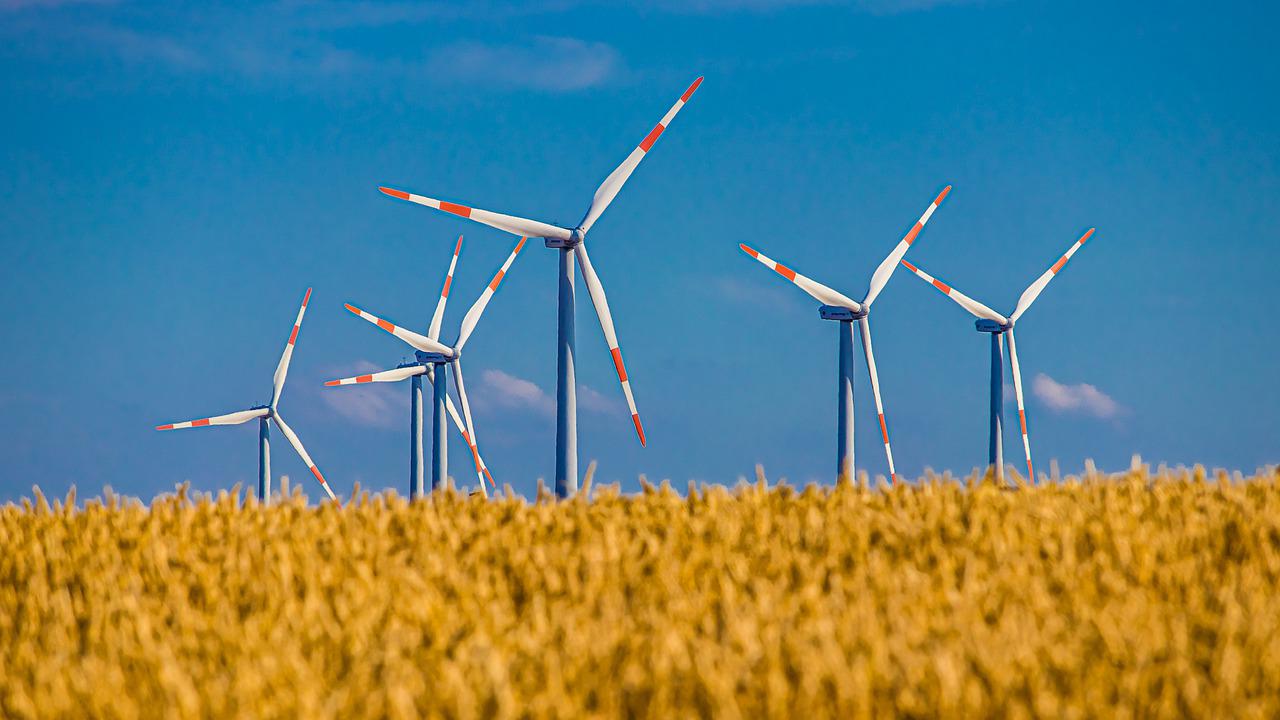
Across Europe, solar farms are enjoying long periods of sunshine and clear skies. Solar generation has become an increasingly important contributor during summer months, helping to meet daytime demand and reducing reliance on conventional generation.
Yet the relationship between renewable energy and extreme heat is more nuanced than it first appears.
Solar panels thrive on sunlight but are considerably less enthusiastic about very high temperatures. As solar module temperatures increase, efficiency falls. The losses are generally modest, but they are measurable. While solar farms continue producing significant amounts of electricity during heatwaves, output is typically lower than it would be under equally sunny but cooler conditions.
Solar assets, much like the engineers monitoring them, generally prefer bright sunshine accompanied by a refreshing breeze rather than standing motionless under 40°C heat.
The same weather conditions that support strong solar production can create challenges elsewhere in the generation mix.
Major European heatwaves are often associated with persistent high-pressure systems. These systems produce clear skies and stable weather, but they also tend to suppress wind speeds across large areas.
This creates a familiar challenge for system operators. Demand rises because cooling requirements increase. Solar generation performs strongly during daylight hours. Wind generation weakens. As the sun begins to set and demand remains elevated, balancing the system becomes more difficult.
The challenge is not necessarily a shortage of generation capacity. Rather, it is ensuring that sufficient flexible capacity is available at the right time.
Heatwaves also expose vulnerabilities within conventional generation.
Many thermal power stations rely on rivers, lakes or coastal waters for cooling. Nuclear power plants, gas-fired stations and other thermal assets are highly dependent on the availability of suitable cooling resources.
When temperatures rise, river water temperatures increase. At the same time, drought conditions can reduce river flows. Environmental regulations often limit the temperature of water discharged back into natural watercourses. Under certain conditions, operators may be required to reduce output or alter operations to remain within regulatory limits.
France has experienced this challenge repeatedly during previous heatwaves. The country’s extensive nuclear fleet provides substantial generating capacity, yet periods of extreme heat can create cooling-water constraints that limit operational flexibility.
The irony is difficult to ignore.
The hotter the weather becomes, the more electricity consumers require and the more difficult it can become for some generators to produce it.
Hydropower faces its own challenges.
While often viewed as one of the most reliable and flexible forms of renewable generation, hydroelectric facilities depend on adequate water availability. Heatwaves frequently coincide with drought conditions, reducing reservoir levels and river flows.
Lower water availability means lower generating potential.
More importantly, it reduces access to one of the most valuable resources in modern electricity systems: flexibility.
Hydropower has long served as an important balancing resource capable of responding quickly to changes in demand and renewable generation. When hydro resources become constrained, system operators lose one of their most effective tools.
Events in Europe, California and China’s Sichuan province have repeatedly demonstrated how reduced hydro availability can magnify the effects of extreme weather across entire electricity systems.
The Grid Under Pressure
Generation is only part of the story.
The infrastructure responsible for transporting electricity is also affected by extreme heat.
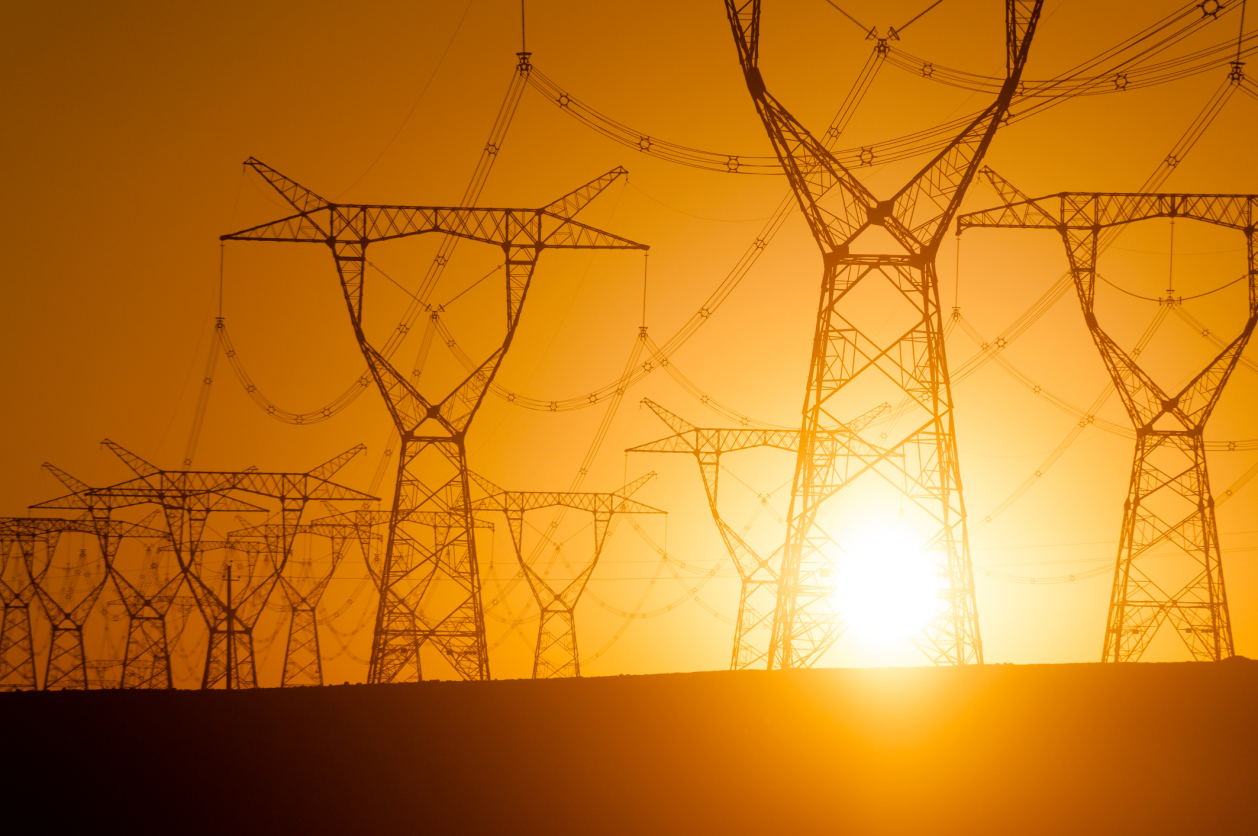
Transmission lines operate within defined thermal limits. As temperatures rise, electrical resistance increases, leading to higher losses. Conductors expand and sag. In some situations, operators may need to reduce the amount of power transmitted across particular assets to maintain safe operating conditions.
This phenomenon, known as thermal derating, presents a unique challenge.
Just as demand increases and generation patterns become more complex, the network itself can become less efficient.
Power lines, much like holidaymakers on a crowded Mediterranean beach, have a tendency to spread out when temperatures climb.
For transmission system operators, maintaining reliability under these conditions requires increasingly sophisticated tools and operational strategies.
Dynamic line rating technologies are becoming more common across many networks. Rather than relying on conservative static ratings, these systems use real-time weather and operating data to determine the actual capacity of transmission assets. Such technologies can help unlock additional network capacity precisely when it is needed most.
Heat also affects transformers, substations and other critical infrastructure.
High temperatures accelerate equipment ageing, increase cooling requirements and place additional stress on assets designed for very different climatic conditions. Infrastructure installed decades ago may face environmental conditions that were never fully considered during its original design phase.
The challenge extends beyond heat alone.
Increasingly, heatwaves are accompanied by drought conditions and elevated wildfire risk.
For electricity network operators, this creates an entirely separate category of concern.
Wildfires can directly threaten transmission and distribution infrastructure. Power lines crossing forests and remote terrain may be exposed to intense heat, smoke and fire activity. Substations can be affected. Access routes can be disrupted. Restoration activities become more complicated.
The consequences can extend far beyond the immediate area impacted by a fire. Network reconfigurations may alter power flows across large regions. Emergency outages can create additional balancing challenges for system operators already managing elevated demand.
The relationship is also becoming increasingly complex because electricity infrastructure can itself become a fire risk under certain conditions.
This has driven substantial investment in vegetation management, drone inspections, satellite monitoring, advanced forecasting systems and artificial intelligence-based risk assessment tools.
Wildfire resilience is rapidly becoming a fundamental element of grid resilience.
The New Definition of Energy Resilience
If there is one lesson from recent decades, it is that heatwaves are no longer exceptional events.
Europe’s heatwave of 2003 exposed vulnerabilities that many electricity systems had never seriously considered. The events of 2018 and 2022 reinforced similar lessons, highlighting the interconnected challenges of cooling-water constraints, reduced hydropower availability and rising electricity demand.
Elsewhere, California has repeatedly demonstrated how extreme heat can test highly renewable electricity systems. These events accelerated investment in battery storage, demand response programmes and flexibility services.
China’s Sichuan province offered another powerful example in 2022. Severe drought reduced hydropower production while air-conditioning demand surged. Industrial consumers were forced to curtail operations as authorities prioritised electricity supply to households.
India continues to experience record-breaking electricity demand during periods of extreme heat, placing growing pressure on generation fleets and network infrastructure.
What once appeared unusual is gradually becoming normal.
This reality is reshaping investment priorities across the energy sector.
Battery storage is becoming increasingly important because it helps absorb surplus solar generation during the day and shift it into evening demand peaks. Demand response programmes are allowing consumers to participate more actively in system balancing. Advanced forecasting tools are helping operators anticipate periods of stress before they occur.
Digitalisation is improving visibility across networks, while climate resilience is becoming a more prominent consideration in long-term planning decisions.
The future electricity system will not be judged solely on how effectively it integrates renewable generation.
It will also be judged on how well it performs during conditions that place extraordinary demands upon it.
The current European heatwave serves as another reminder of that reality.
While much of the public experiences extreme temperatures as an uncomfortable inconvenience, the energy sector sees something more significant. It sees a preview of the operating environment that future electricity systems will increasingly be required to navigate.
The challenge is no longer simply building a cleaner grid.
It is building a cleaner grid capable of thriving in a hotter, more complex and more demanding world.
And that may prove to be one of the defining engineering achievements of the energy transition.
Author: Derek Michalski, Editor