

For more than a century, electricity grids relied on a simple physical principle: large rotating generators provided not only electricity but also stability. Coal plants, gas turbines and hydroelectric units naturally helped keep power systems balanced through their mechanical inertia and ability to respond when demand and generation changed.
That model is now being challenged.
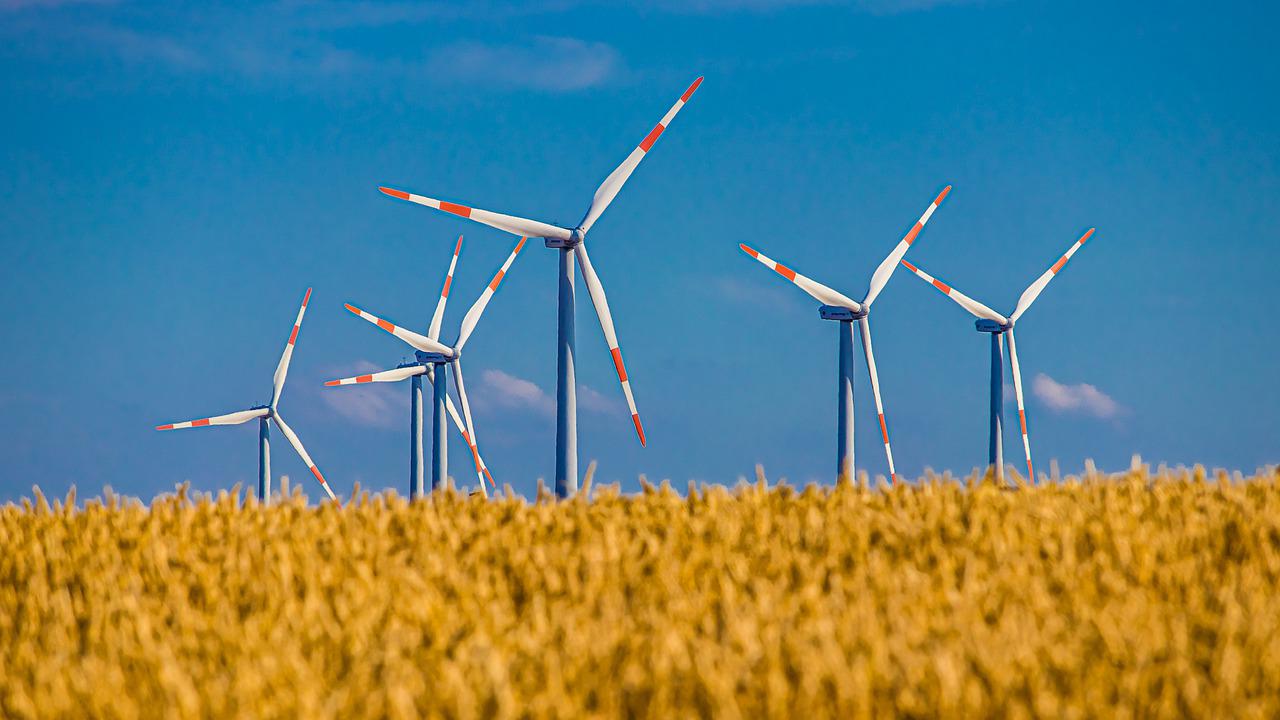
As Europe accelerates the deployment of wind and solar power, electricity systems are becoming increasingly dominated by inverter-based generation. Renewable energy can produce vast quantities of low-carbon electricity, but it does not naturally provide the same stabilising characteristics as conventional synchronous generators.
This has created a growing need for a new category of grid infrastructure: fast-response energy storage.
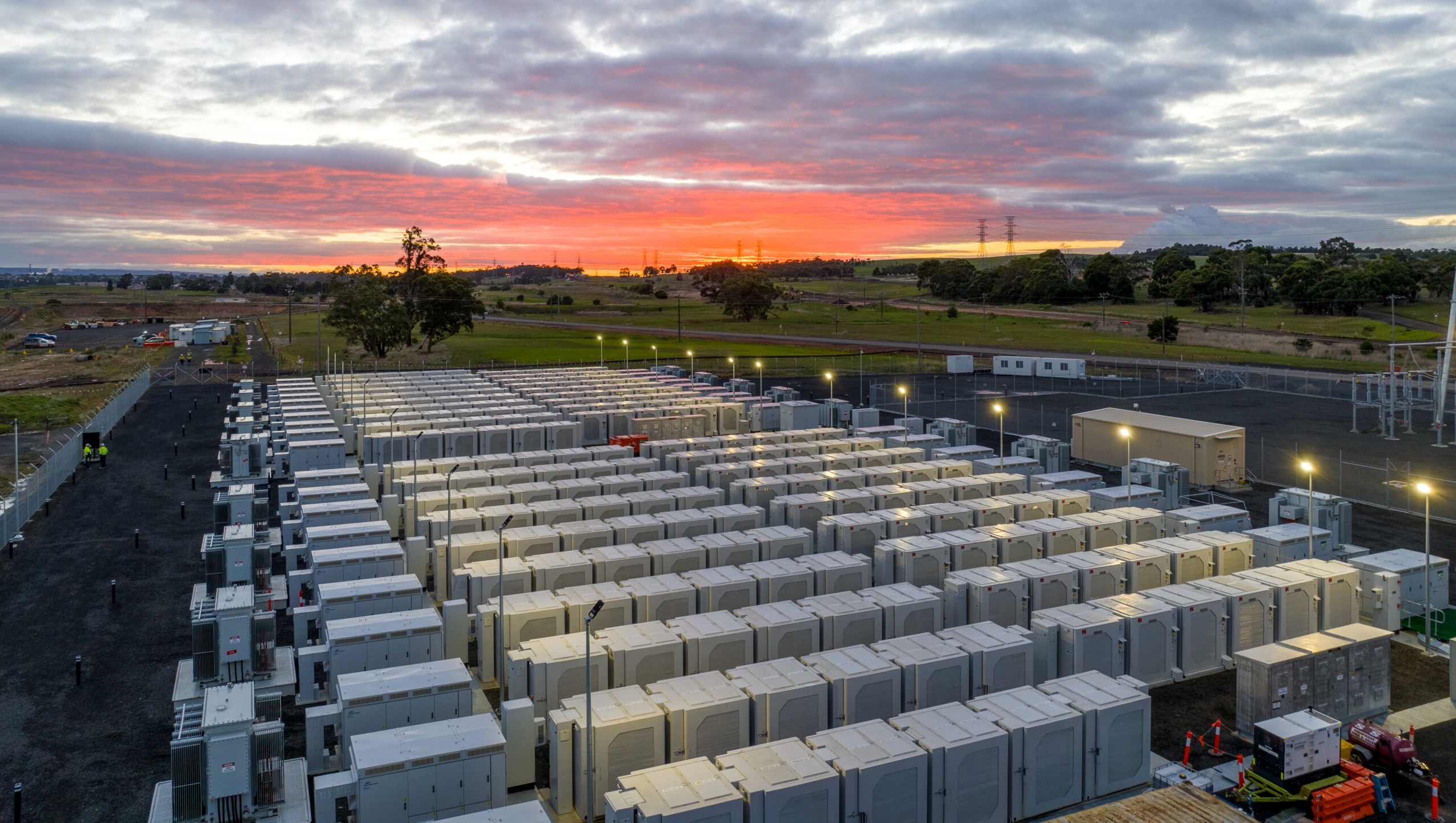
Battery energy storage systems (BESS) have emerged as one of the most effective technologies for providing frequency containment reserve (FCR) — the first and fastest layer of defence against grid instability.
The service is invisible to most electricity consumers, but it operates every second of every day. When frequency begins to drift away from its target level, batteries can react almost instantaneously, injecting or absorbing power to restore balance.
What started as a niche market opportunity for early battery projects has become one of the first large-scale commercial applications for utility-scale storage. However, the market is now entering a new phase. As more batteries compete for the same services, developers are increasingly looking beyond frequency containment alone towards broader flexibility markets.
The future of battery storage will not be built on one revenue stream. It will depend on becoming a multi-functional component of the electricity system.
The invisible service keeping grids stable
Every electricity grid operates within a narrow frequency range.
In continental Europe, the target frequency is 50 Hz. Maintaining this level requires a constant balance between electricity generation and consumption.
When demand suddenly increases — for example during a cold evening when millions of households switch on heating and appliances — frequency begins to fall. If generation suddenly exceeds consumption, frequency rises.
Large deviations can damage equipment and, in extreme circumstances, trigger widespread blackouts.
Frequency control therefore operates through several layers:
- Frequency Containment Reserve (FCR) reacts first, automatically within seconds, limiting the initial deviation.
- Automatic Frequency Restoration Reserve (aFRR) restores frequency closer to the target level over several minutes.
- Manual Frequency Restoration Reserve (mFRR) provides additional balancing when required.
Historically, FCR was mainly provided by conventional generators operating below their maximum output and adjusting power production automatically.
However, thermal plants are increasingly retiring, while renewable generation continues expanding. This has created a gap that batteries can fill.
Unlike traditional generators, batteries do not need time to increase or decrease output. Their power electronics can respond in milliseconds.
This speed is their defining advantage.
Why batteries became the natural frequency solution
The technical characteristics of lithium-ion batteries match the requirements of frequency containment almost perfectly.
A battery storage system can:
- detect frequency deviations automatically;
- change its output almost instantly;
- switch between charging and discharging;
- provide highly accurate power regulation;
- operate without fuel consumption.
For frequency services, the battery does not necessarily need to deliver large amounts of energy. Instead, it needs sufficient power capacity and the ability to react quickly.
This makes FCR particularly attractive compared with applications such as energy arbitrage, where batteries buy electricity when prices are low and sell when prices are high.
Frequency containment also involves relatively limited energy throughput, meaning battery degradation can be lower than in intensive daily cycling applications.
This combination — fast response, limited degradation and predictable availability requirements — made FCR one of the first markets where utility-scale batteries could compete successfully against conventional assets.
Germany created Europe’s first battery frequency market
Germany has been the European pioneer in battery participation in frequency containment.
The country’s large renewable expansion, particularly wind and solar, created an urgent need for flexibility. At the same time, Germany’s highly developed ancillary services market provided an early commercial opportunity for battery developers.
Projects began entering the German FCR market in the mid-2010s, demonstrating that batteries could provide balancing services more efficiently than conventional generators.
Several early projects helped establish the business model, including large-scale systems developed by companies such as Enel X, E.ON, and specialised storage developers.
The success of these early installations triggered a wave of investment.
Germany became a reference market for European battery developers because FCR revenues could provide a relatively stable income stream before electricity trading revenues became more important.
However, the same success created a new challenge.
More batteries entered the market, increasing competition and putting pressure on reserve prices.
The lesson from Germany is increasingly shaping the rest of Europe: frequency containment can launch the storage market, but it cannot support unlimited battery deployment on its own.
The economics are changing: from FCR-only to revenue stacking
The first generation of battery projects could often be financed largely around frequency services.
That model is becoming more difficult.
As battery capacity grows, available FCR procurement volumes remain limited. More competition means lower prices and reduced margins.
Developers are therefore moving towards revenue stacking — combining multiple market activities within the same asset.
A modern battery project may participate in:
- frequency containment reserve;
- automatic balancing markets;
- wholesale electricity arbitrage;
- capacity markets;
- congestion management;
- renewable energy integration;
- grid support services.
This transition is changing how investors evaluate storage projects.
The question is no longer:
“How much revenue can a battery earn from FCR?”
Instead, the question has become:
“How many different grid functions can this battery provide?”
The most successful projects will likely be those connected to multiple markets and capable of dynamically switching between services.
France: storage follows renewable growth
France has historically had a different electricity profile from Germany, with nuclear power providing a large share of generation.
However, renewable expansion and the growing need for flexibility are increasing interest in battery storage.
French transmission system operator Réseau de Transport d’Électricité (RTE) has progressively developed balancing mechanisms that allow storage technologies to participate.
Battery developers are increasingly targeting France because the country’s growing renewable fleet will require more flexibility, particularly as solar capacity expands.
The opportunity is also linked to industrial decarbonisation. Battery systems can support renewable-heavy industrial sites, reduce grid congestion and provide local flexibility.
Poland and Central Europe: the next growth region?
Central and Eastern Europe represent one of the next major opportunities for frequency-related battery deployment.
Poland, Czechia, Hungary and Romania are experiencing rapid growth in renewable capacity, particularly solar photovoltaics.
At the same time, many countries in the region still rely heavily on conventional thermal generation, creating challenges around flexibility and grid stability.
Poland is particularly important because its electricity system is undergoing a major transformation.
The country is adding large amounts of renewable capacity while gradually reducing dependence on coal. This transition creates a growing need for balancing resources.
The Polish transmission operator Polskie Sieci Elektroenergetyczne (PSE) has been developing new balancing mechanisms and capacity market solutions, creating opportunities for storage.
However, unlike Germany, Poland’s battery market is still at an earlier stage.
The challenge is not only technology but market design. Investors require clear rules around ancillary services, capacity remuneration and long-term revenue visibility.
Spain: solar growth creates flexibility demand
Spain represents another important future battery market.
The country has become one of Europe’s fastest-growing solar markets, creating periods of very high renewable generation during daylight hours followed by evening demand peaks.
This creates exactly the type of flexibility challenge where batteries perform well.
Spain’s electricity system increasingly requires resources that can absorb excess solar production and provide rapid balancing after sunset.
Battery storage is expected to play a growing role alongside pumped hydro and other flexibility solutions.
The global picture: China and Japan accelerate storage deployment
Europe is not alone in recognising the importance of storage for grid stability.
China
China has become the world’s largest market for battery energy storage deployment.
The country’s enormous expansion of wind and solar generation has created significant balancing challenges, particularly in regions with high renewable penetration.
The State Grid Corporation of China and regional grid operators have invested heavily in energy storage as part of a broader strategy to modernise the electricity system.
Chinese projects increasingly combine multiple functions:
- frequency regulation;
- renewable integration;
- peak shaving;
- grid support.
China’s approach differs from Europe because storage deployment is often driven by grid planning requirements rather than purely merchant market revenues.
Japan
Japan has also increased its focus on battery flexibility.
Following the expansion of renewable generation and the restructuring of electricity markets, Japanese utilities and developers are investing in storage to improve system stability.
Japan’s island geography makes flexibility particularly valuable because balancing resources must compensate for limited interconnection capacity.
The next frontier: grid-forming batteries
The next stage of battery evolution goes beyond frequency containment.
Most batteries today operate as grid-following systems. They respond to an existing grid signal.
Future systems are increasingly expected to become grid-forming batteries.
These systems can actively create electrical characteristics traditionally provided by synchronous generators.
Capabilities include:
- synthetic inertia;
- voltage regulation;
- frequency stabilisation;
- black-start capability;
- operation in weak grids.
This technology could become essential as conventional power plants retire.
The question facing grid operators is no longer simply how to balance electricity supply and demand.
It is how to maintain the physical characteristics of a stable electricity system without relying on fossil-fuel generators.
The challenge: batteries cannot do everything alone
Despite their advantages, batteries are not a universal solution.
Large-scale storage faces several challenges:
Market saturation
Frequency markets are relatively small compared with the expected volume of future battery deployment.
If every battery project attempts to earn revenue from FCR alone, prices will continue declining.
Battery lifetime
Storage developers must carefully manage cycling patterns, temperature and state of charge to protect asset value.
Regulation
Grid codes are evolving rapidly. Future requirements may demand more advanced capabilities, including grid-forming functionality.
Supply chains
Battery manufacturing remains concentrated in Asia, creating geopolitical and industrial challenges for Europe.
From balancing asset to grid infrastructure
Frequency containment was the first major commercial breakthrough for battery storage.
It proved that batteries could provide valuable grid services at scale.
But the long-term opportunity is much larger.
As electricity systems become increasingly dominated by variable renewable generation, storage will move from being an optional flexibility asset to becoming a core component of grid infrastructure.
The future electricity system will require technologies that can respond faster than traditional generators, operate digitally and support increasingly complex networks.
Battery storage has already demonstrated that it can keep the grid balanced in milliseconds.
The next challenge is proving that it can help build the stable, renewable electricity system of the future.