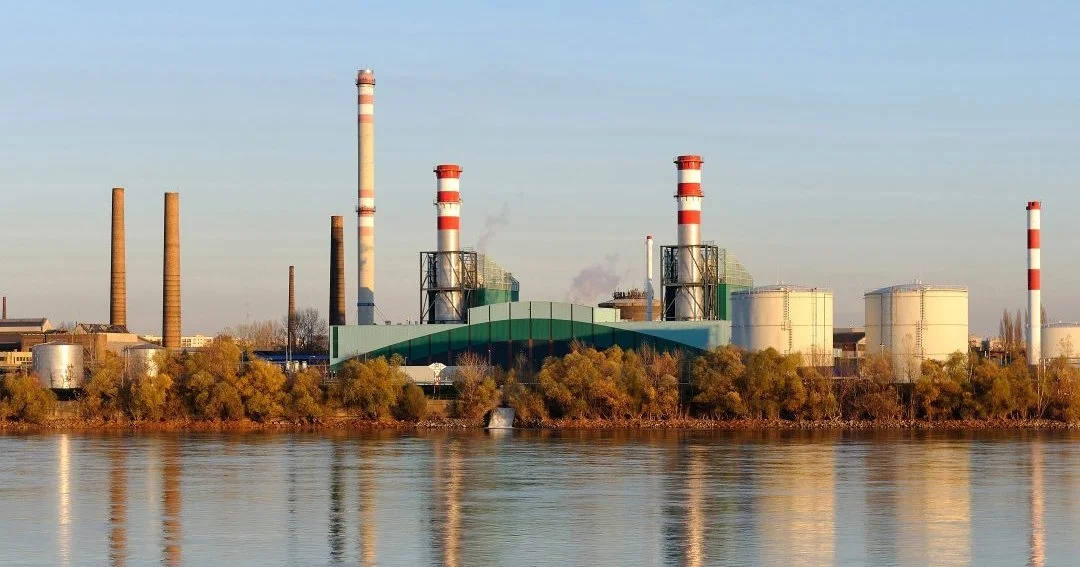
Alpiq has officially inaugurated its new Csepel hybrid power plant in Budapest, a facility that pairs battery storage with highly flexible gas engine generation in a single, integrated operating concept. The plant delivers fast-response capacity for the Hungarian electricity system, strengthening security of supply and helping the grid absorb more renewable energy.
The Csepel plant illustrates how innovation can help solve one of the energy transition’s central problems: keeping electricity available when weather-dependent renewable output fluctuates. By combining two complementary technologies, the facility can respond to grid needs within seconds while leaving its gas engines switched off until extra capacity is actually needed. The project forms part of Alpiq’s broader strategy to bring more flexibility to electricity systems across Europe in support of a sustainable power supply.
“Innovation and flexibility are essential to a secure energy transition,” said Amédée Murisier, Head of the Business Division Assets and a member of Alpiq’s Executive Board. “The new Csepel gas engine power plant demonstrates how innovation can bring more flexibility and responsiveness into the system, while reducing operating hours and CO₂ emissions per megawatt-hour generated.”
An innovative response to a changing energy system
The roughly EUR 64 million facility combines 50 MW of high-efficiency gas engine capacity with a 5 MW / 10 MWh battery energy storage system. Commissioned in August 2026, the battery reacts instantly to changes in the electricity system while the gas engines start up rapidly whenever additional capacity is required. Together, the two technologies can bring the plant’s full generation capacity online for the system operator in under five minutes.
The core innovation is a “zero must-run” operating concept. Because the battery handles the initial response, the gas engines don’t need to stay permanently online — they remain switched off whenever the system doesn’t call for their capacity, avoiding unnecessary gas consumption and emissions during those periods.
“Developed largely in-house, the Csepel gas engine power plant combines our engineering expertise with our operational experience,” said Gábor Briglovics, Head of Hungary at Alpiq. “This enabled us to design a highly flexible facility tailored to the specific needs of the Hungarian electricity system.”
Alpiq managed the project from technical design and procurement through to construction, giving the team full control to tailor the plant to local needs with a clear focus on speed, reliability and operational efficiency.
More flexibility for more renewable energy
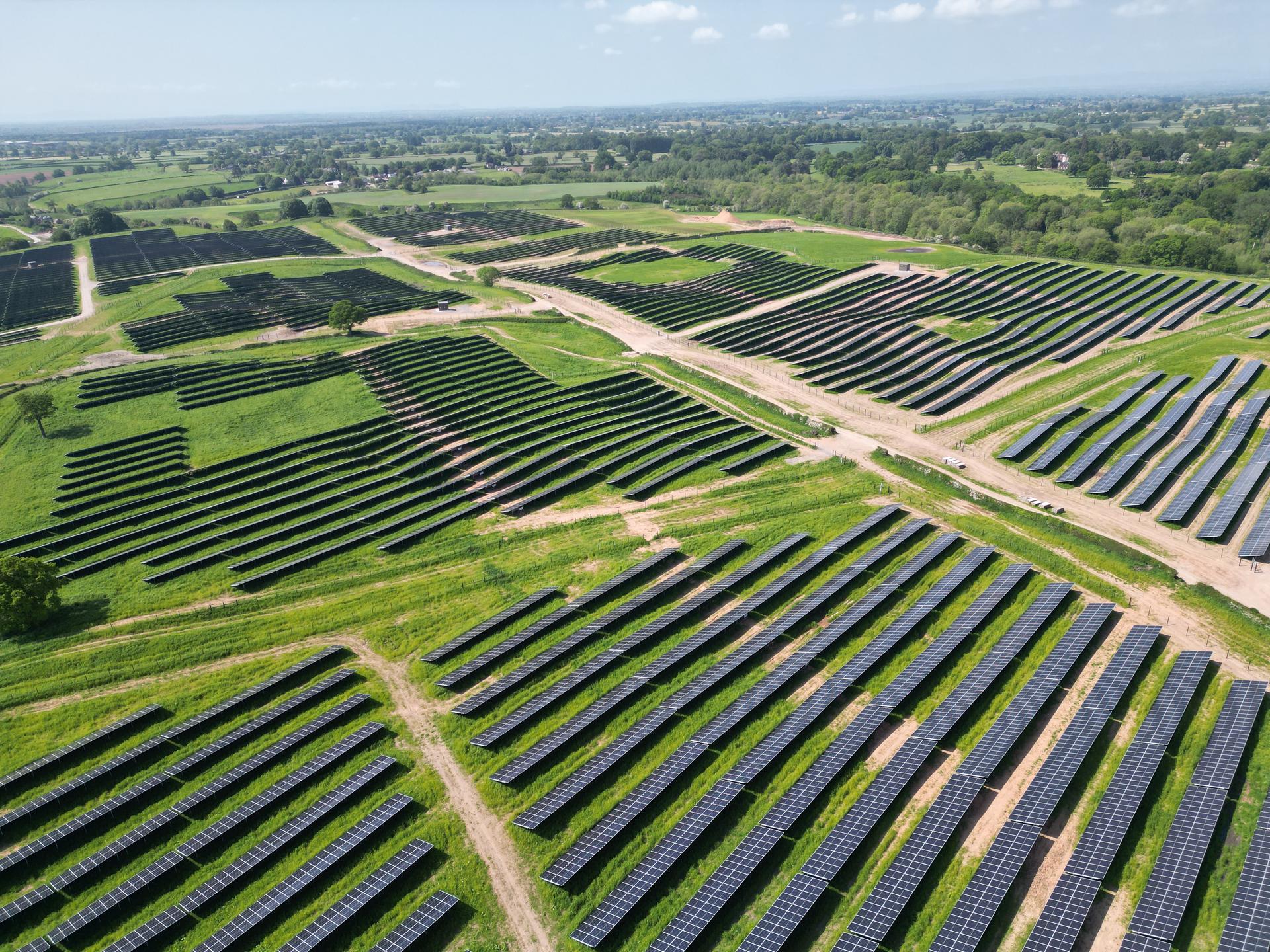
Hungary’s rapid expansion of solar generation is driving up demand for balancing capacity that can offset fluctuations in renewable output. The added flexibility from the Csepel plant is expected to support the integration of roughly 150 MW of additional photovoltaic capacity into the Hungarian grid.
The new plant sits alongside Alpiq’s existing assets at the Csepel site in Budapest, which include the 403 MW Csepel II combined-cycle gas-fired power plant and a 35 MW power-to-heat facility. It draws on the site’s existing infrastructure and the expertise of the local operations and maintenance team, built up since Alpiq first established a presence in Hungary in 2002. Together, the Csepel site can cover around six percent of Hungary’s total electricity demand and supplies district heating to approximately 20,000 households in South Budapest.