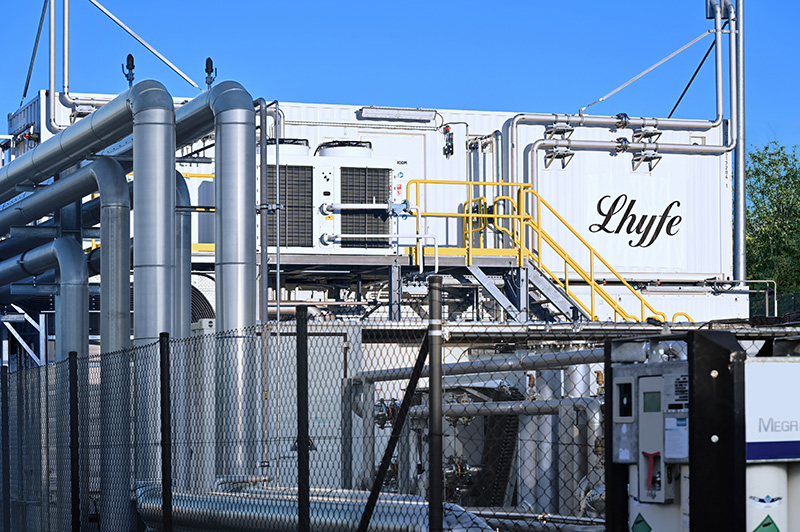
The regional government of Castilla y León published environmental authorizations for two green hydrogen production plants in Granja de Moreruela, a village of about 230 residents in Zamora province, one day apart — on 1 and 2 September 2026, according to the region’s official bulletin (BOCYL). The proximity of the two publication dates has drawn local attention, though the underlying permitting process was not fast: one of the two projects, named “Moreruela II” and developed by Inari Solar, S.L., was first submitted for authorization in May 2022, making the approval the end of a process lasting more than four years.
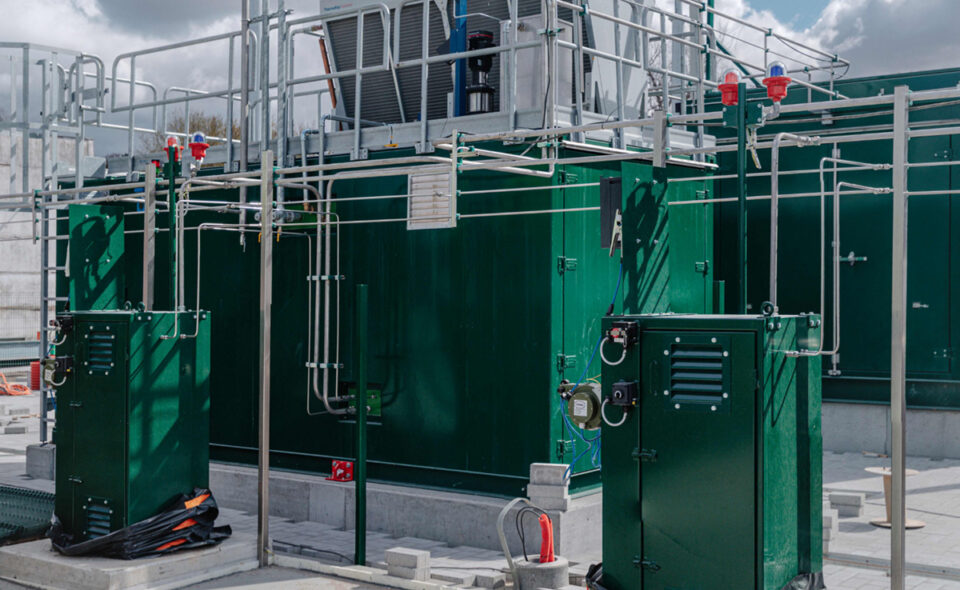
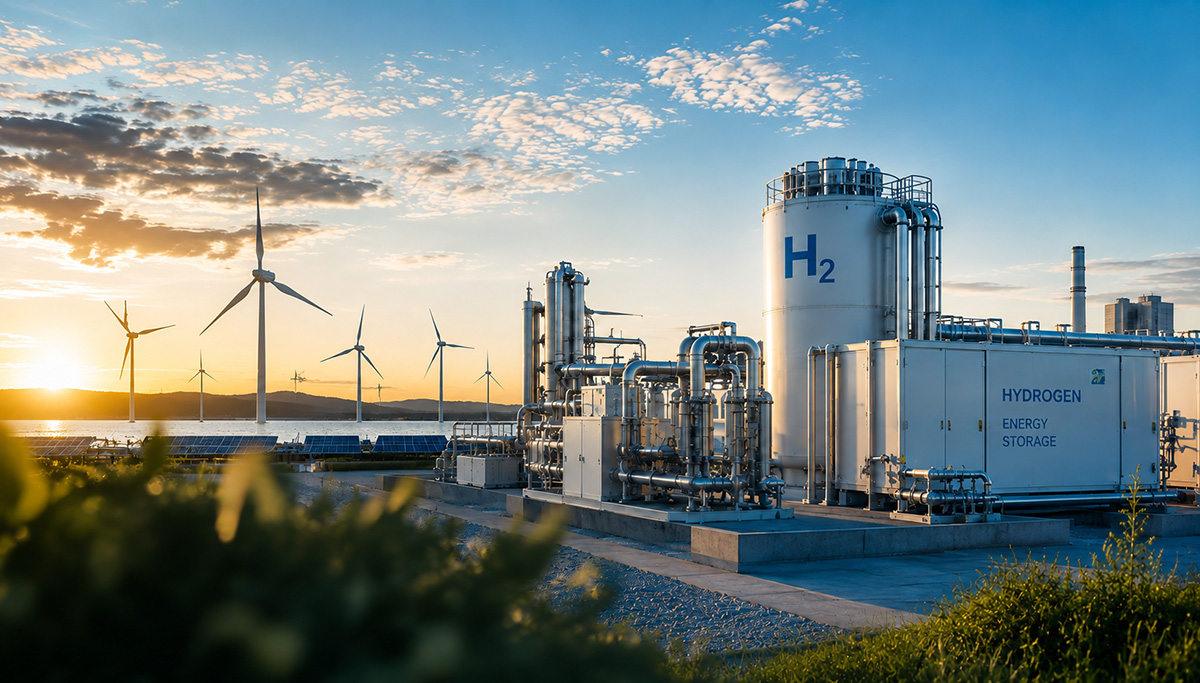
The Inari Solar project pairs a 40 MW electrolyser with a 49.95 MW photovoltaic plant for self-consumption, according to Spanish trade press. The second plant, authorized the following day, combines four 10 MW electrolysers (40 MW total) with a 50 MW PV plant, and is designed to produce up to 720 kg of hydrogen per hour at 99.999% purity; its promoter is named in regional coverage as UTU Solar, S.L. That project would use 121.29 hectares of land in total, with the electrolysis plant itself occupying about 5,000 square metres, and would store hydrogen in 60 tanks of 200,000 litres each — a combined 12 million litres of storage capacity, or up to 39.6 tonnes of hydrogen. Its estimated annual electricity demand is 345.6 GWh, of which 112 GWh would come from its own solar plant and the remainder from the grid via renewable energy certificates. Both projects have five years from their authorization date to begin operating.
Water use is the central point of local controversy. The two plants together are authorized to draw an estimated 233.9 million litres of groundwater per year, roughly split between the two sites, according to figures compiled by the environmental group Ecologistas Zamora. The group’s concern is that each project’s hydrogeological impact was assessed individually rather than cumulatively, despite both drawing from an aquifer near the Villafáfila Lagoons, a wetland reserve protected under the EU’s Natura 2000 network and known for its bustard and waterfowl populations. Ecologistas Zamora argues the existing studies do not adequately establish how combined extraction from both plants would affect the lagoons’ hydrological regime. The Junta de Castilla y León’s authorization for at least one of the plants requires the developer to demonstrate that groundwater extraction will not harm the Villafáfila ecosystem.
The dispute over water sourcing predates this month’s authorizations. In January 2025, Zamora’s Provincial Council (Diputación de Zamora) said it supported the hydrogen plants for the jobs and investment they would bring to a rural area, but opposed drawing water from the Villafáfila aquifer specifically. Council president Javier Faúndez said extracting more than 600,000 litres of groundwater a day would lower the water table, raise contamination risk, and could create supply problems for local residents. He proposed sourcing water instead from the Ricobayo reservoir or the Esla river that feeds it, and said the council would formally request meetings with Castilla y León’s environment ministry and the Duero river basin authority, which holds jurisdiction over water permits in the region. Water use for green hydrogen production is typically cited at 37–48 litres per litre of hydrogen produced.
Both authorizations were classified under the EU’s Integrated Pollution Prevention and Control framework, requiring Duero river basin authority sign-off on water permits. The Junta has acknowledged exceeding its standard six-month decision timeline for the plants, attributing the delay to mandatory review requests during processing.