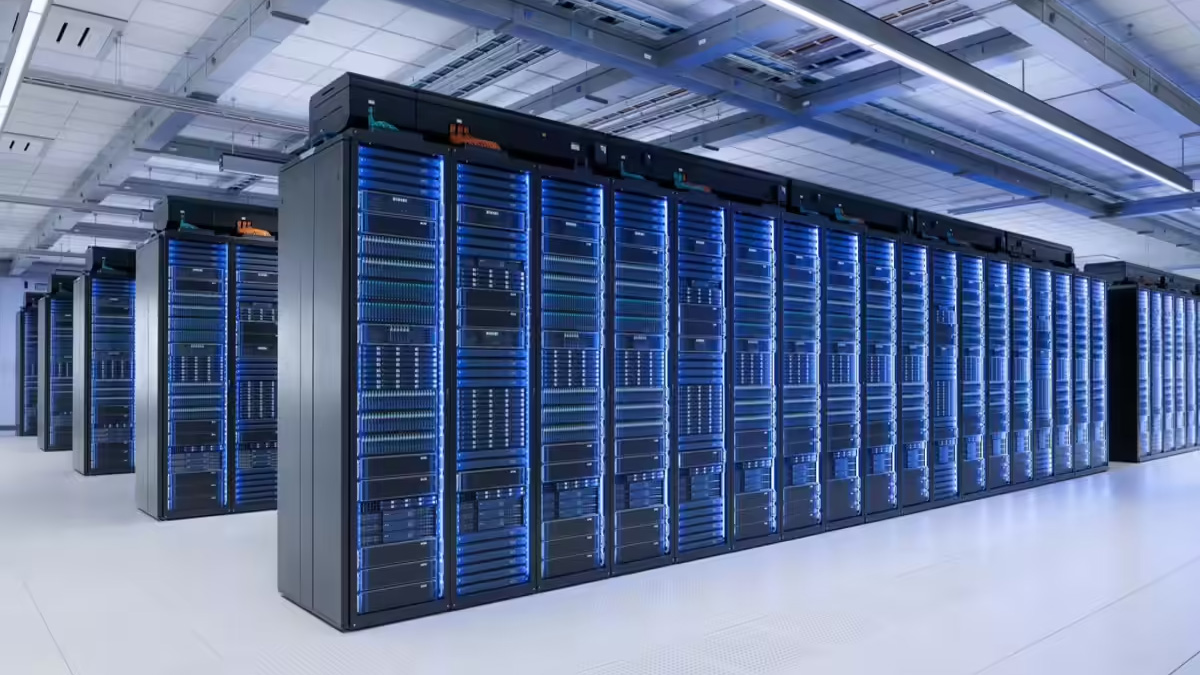
The rapid growth of artificial intelligence is changing the energy requirements of data centres. Higher power densities, continuous operation and the concentration of large facilities are placing increasing pressure on electricity networks, while operators face growing expectations around resilience, energy security and carbon reduction.
This is creating a new opportunity for hydrogen. However, the most compelling proposition is not simply to replace diesel generators with hydrogen fuel cells. It is to develop an integrated power architecture in which the grid, renewable generation, batteries, hydrogen and fuel cells operate as a coordinated energy system.
From Backup Power to Integrated Energy
The traditional data-centre power model is based on grid electricity, UPS systems and diesel generation. This architecture remains effective, but it was developed for a different energy environment. Today, developers increasingly face constrained grid connections, volatile electricity markets and pressure to decarbonise critical infrastructure.
An integrated architecture changes the role of each energy asset. The grid provides the principal source of electricity, renewable generation supplies low-carbon power, batteries manage instantaneous disturbances and short-duration requirements, while hydrogen provides a potentially valuable source of long-duration stored energy. Fuel cells can convert that stored hydrogen into dispatchable electricity when required.
The objective is not to make hydrogen carry the entire load. It is to use each technology according to its technical and economic strengths.
Where Hydrogen Fits
Hydrogen is particularly relevant to the longer-duration end of the resilience spectrum. Batteries are highly effective for rapid response and short-duration storage, but providing many hours or days of backup solely through batteries can become capital intensive and physically demanding.
Hydrogen offers a different storage model. Electricity can be converted into hydrogen through electrolysis, stored for extended periods and subsequently converted back into electricity through fuel cells. The process involves energy losses, so hydrogen is unlikely to compete with batteries for every storage application. Its value is in duration, dispatchability and energy security.
This makes hydrogen potentially attractive for data centres where the cost of a prolonged outage is exceptionally high.
Building Around the Grid
An integrated power architecture does not remove the need for the grid. It changes the relationship between the facility and the network.
Large data centres can place significant demands on local electricity infrastructure, and in some markets the availability of grid capacity is becoming a constraint on development. On-site generation and storage can provide additional flexibility, allowing operators to reduce reliance on grid imports during selected periods and potentially operate independently during an outage.
The data centre effectively becomes a controllable energy asset rather than a passive load.
That distinction could become increasingly important as electricity networks accommodate large concentrations of new AI-related demand.
Hydrogen and Renewable Energy
The combination of renewable generation and hydrogen is particularly interesting. Renewable electricity can serve the data-centre load directly and charge batteries when available. Where surplus power exists, an electrolyser can produce hydrogen for later use.
The stored hydrogen then provides a source of firm energy when renewable output is low or grid supply is interrupted.
Hydrogen should not, however, be presented as a means of improving electrical efficiency. Batteries will generally offer better round-trip efficiency for short-duration storage. Hydrogen’s strategic value is the ability to convert variable renewable electricity into a fuel that can be stored for much longer periods.
For operators pursuing low-carbon energy strategies, the production pathway is critical. Hydrogen is not automatically low carbon; its environmental performance depends on how it is produced and the lifecycle emissions associated with its supply.
The Control Layer
The physical technologies are only part of the architecture. The energy-management system is equally important.
A sophisticated control platform can determine when the facility should draw from the grid, charge batteries, produce hydrogen or dispatch fuel cells. Decisions can be based on electricity prices, renewable output, grid conditions, battery state of charge, hydrogen inventory and forecast demand.
This creates a shift from static redundancy to dynamic optimisation.
Instead of maintaining backup assets that operate only during emergencies, the facility can manage its entire energy portfolio continuously while preserving sufficient reserves for credible outage scenarios.
The Economics of Resilience
The business case for hydrogen should therefore be evaluated at system level.
The relevant question is not simply whether electricity from a hydrogen fuel cell is cheaper than electricity from the grid. The assessment should also consider the value of long-duration resilience, reduced diesel consumption, lower local emissions, renewable integration, peak-demand management and protection against grid constraints.
For a large data centre, the economic consequences of an extended power interruption can be considerable. This gives resilience an economic value that conventional levelised-cost comparisons often fail to capture.
Hydrogen may therefore become commercially attractive in applications where reliability and energy security command a significant premium.
The Emerging Data-Centre Energy Model
The next generation of data centres is likely to operate with several layers of energy supply and storage rather than relying on a single backup technology.
The architecture is straightforward in principle: grid and renewable generation provide the primary energy; batteries provide fast-response capacity; hydrogen provides long-duration energy storage; and fuel cells provide dispatchable generation when required.
Above these assets sits an intelligent energy-management system that optimises the portfolio against cost, carbon and resilience requirements.
This is more than an alternative generator configuration. It is a different approach to energy infrastructure.
Conclusion
Hydrogen’s role in data centres should therefore be viewed through the lens of integrated power architecture, not fuel substitution.
The strategic opportunity is to combine grid electricity, renewables, batteries, hydrogen storage and fuel cells into a flexible energy system capable of responding to changing grid conditions while maintaining the reliability required by critical digital infrastructure.
As AI continues to increase data-centre power demand, energy strategy will become inseparable from data-centre strategy. The facilities that succeed will not simply secure more megawatts; they will develop smarter ways of producing, storing, managing and dispatching those megawatts.
Hydrogen may be one of the technologies that enables that transition—but its greatest value will come from how effectively it is integrated with everything else.