


Europe’s corporate renewable energy market is charging ahead. According to research by The Voice of Renewables, September 2025 saw a surge in Power Purchase Agreements (PPAs) and Corporate PPAs (CPPAs), as companies across the continent double down on sustainability and long-term energy security.
From powerhouse markets like Switzerland and the Netherlands to emerging hubs in Bulgaria and Ukraine, firms are locking in renewable contracts to hit ambitious decarbonization targets. While precise September figures are still emerging, trends from previous months underscore the momentum: August 2025 alone recorded 9 PPAs totalling 437 MW, with Spain leading at 182 MW, Poland at 109 MW, and Italy at 65.4 MW, while June saw 20 deals covering 1,429 MW, mostly solar.
Below is the outline of PPAs signed this month in Europe:
Austria
- Verbund & Siemens: Verbund has signed a PPA with Siemens to supply renewable energy from its hydroelectric projects in Austria, aligning with Siemens’ commitment to 100% renewable energy.
Denmark
- Ørsted & Novo Nordisk: Ørsted has secured a PPA with Novo Nordisk to provide renewable energy from its offshore wind projects in Denmark, supporting Novo Nordisk’s commitment to 100% renewable energy.
Finland
- Fortum & Google: Fortum has secured a PPA with Google to provide renewable energy from its wind and solar projects in Finland, contributing to Google’s renewable energy targets.
France
- EDF Renewables & Carrefour: EDF Renewables has entered into a PPA with Carrefour to provide renewable energy from its solar and wind projects in France, supporting Carrefour’s sustainability objectives.
Germany
- RWE & BASF: RWE has entered into a PPA with BASF to supply renewable energy from its wind and solar projects in Germany, contributing to BASF’s renewable energy targets.
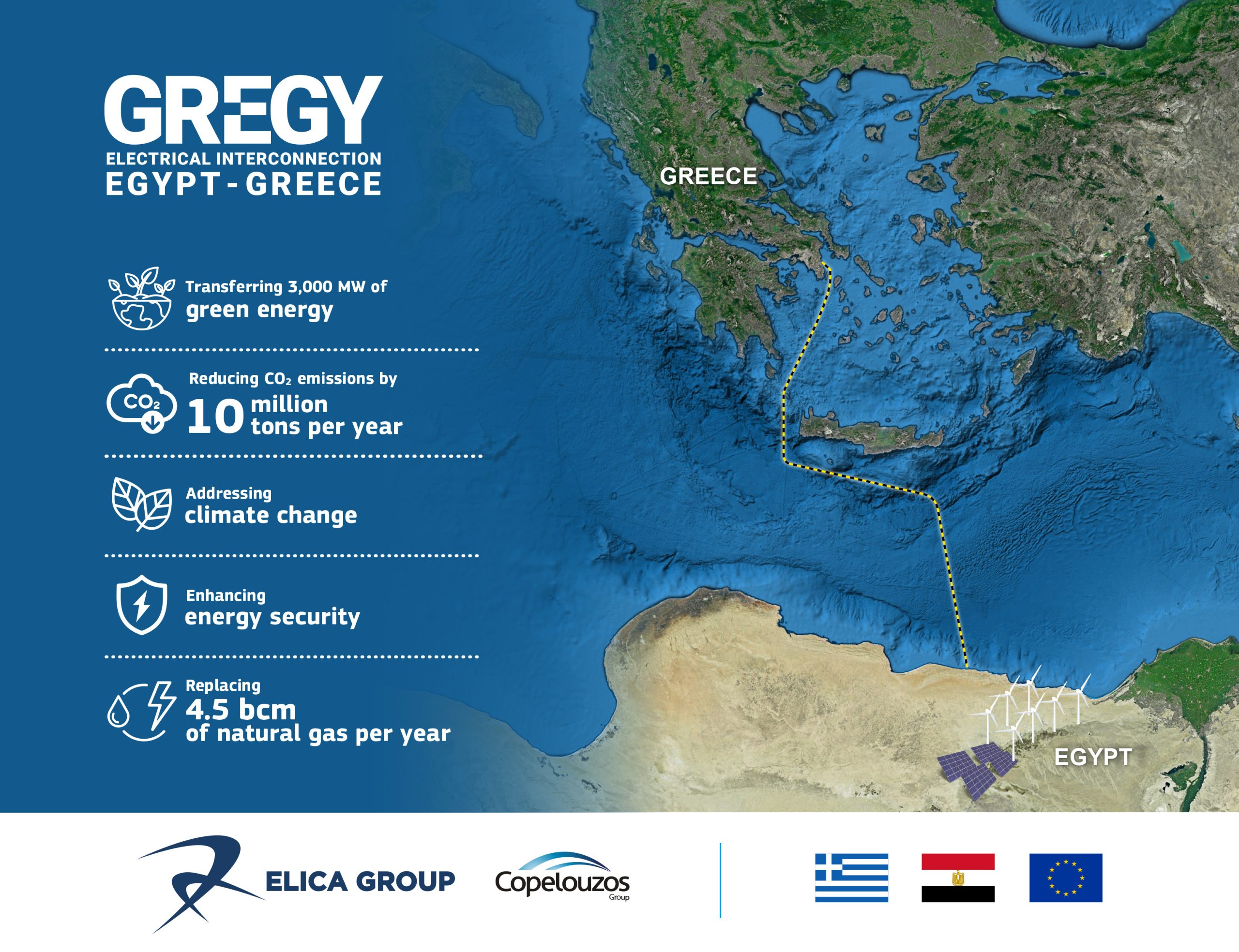
Greece
- Terna Energy & Google: Terna Energy has entered into a PPA with Google to provide renewable energy from its wind and solar projects in Greece, supporting Google’s renewable energy initiatives.
Italy
- Enel Green Power & Apple: Enel Green Power has signed a PPA with Apple to supply renewable energy from its solar and wind projects in Italy, contributing to Apple’s 100% renewable energy target.
Norway
- Statkraft & Microsoft: Statkraft has entered into a PPA with Microsoft to supply renewable energy from its hydropower projects in Norway, supporting Microsoft’s sustainability goals.
Poland
- ENGIE & KGHM: ENGIE Zielona Energia has signed a PPA with KGHM Polska Miedź S.A. to supply approximately 65,000 MWh annually from the Wartkowo wind farm, supporting KGHM’s decarbonisation efforts at its Legnica Copper Smelter.
- Statkraft & Better Energy: Statkraft has entered into two PPAs with Danish solar developer Better Energy to purchase energy from two solar power plants in Poland, totalling 64 GWh.
Portugal
- EDP Renewables & Facebook: EDP Renewables has secured a PPA with Facebook to provide renewable energy from its wind and solar projects in Portugal, supporting Facebook’s sustainability goals.
Romania
- CEZ Group & Unilever: CEZ Group has signed a PPA with Unilever to supply renewable energy from its wind and solar projects in Romania, aligning with Unilever’s commitment to 100% renewable energy.
Serbia
- Elektroprivreda Srbije (EPS) and Akuo Energy: Earlier in 2025, EPS signed a PPA with Akuo Energy for the Bela Anta 2 wind project. This agreement supports Serbia’s commitment to increasing its renewable energy capacity.
- Elektroprivreda Srbije (EPS) and CWP Europe: EPS also signed a PPA and CfD with CWP Europe for the Solarina photovoltaic project. This agreement includes a balancing responsibility deal, marking a significant step in Serbia’s solar energy development.
- Elektroprivreda Srbije (EPS) and SANY R.E.: On September 17, 2025, EPS signed a Power Purchase Agreement (PPA) and Contract for Difference (CfD) with SANY Renewable Energy for the Alibunar wind power project. This 168 MW wind farm, located in eastern Serbia, is expected to commence operations in 2028 and will generate approximately 480 million kWh annually.
Spain
- Iberdrola & IKEA: Iberdrola has entered into a PPA with IKEA to supply renewable energy from its wind and solar projects in Spain, aligning with IKEA’s commitment to renewable energy.
- Quantica: Quantica has reported an 80% increase in PPA contracts in Spain, consolidating its leadership in self-consumption and storage solutions.
Sweden
- Vattenfall & LyondellBasell: LyondellBasell has signed a 15-year PPA with Vattenfall for the purchase of 450 GWh annually from offshore wind projects in Sweden.
Switzerland
- Axpo & Nestlé: Axpo has secured a PPA with Nestlé to supply renewable energy from its hydroelectric projects in Switzerland, contributing to Nestlé’s renewable energy goals.
United Kingdom
- EDF Renewables & Network Rail: EDF Renewables has signed a significant PPA with Network Rail to supply renewable energy from its solar projects in the UK, supporting Network Rail’s sustainability objectives.
The largest power purchase agreement (PPA) signed in Europe this year so far is a long-term deal between Iberdrola and Mercadona, a leading Spanish supermarket chain. The agreement encompasses over 300 MW of renewable energy capacity from wind and solar projects, which will supply Mercadona’s logistics centres and stores across Spain and Portugal over the next decade.
Our research indicates that Europe signed more than 6.5 GW of PPAs in the first half of 2025, with significant activity in countries including Spain, Poland and Italy. In June alone, 20 PPAs were concluded across the continent, totalling 1.8 GW of contracted capacity.
Overall, PPAs have seen a decline in activity in Europe, with a 26% drop in contracted capacity in the first half of 2025 compared to the same period in 2024.
At the same time, CfDs are experiencing a resurgence in Europe, signalling a robust commitment to supporting renewable energy projects by governments.
As of September 2025, the largest Contracts for Difference (CfD) deal in Europe is a €6 billion ($7.01 billion) tender launched by Germany for carbon CfDs. These contracts aim to support companies investing in alternative fuels by providing subsidies that are expected to be repaid as the technologies become more efficient and affordable.